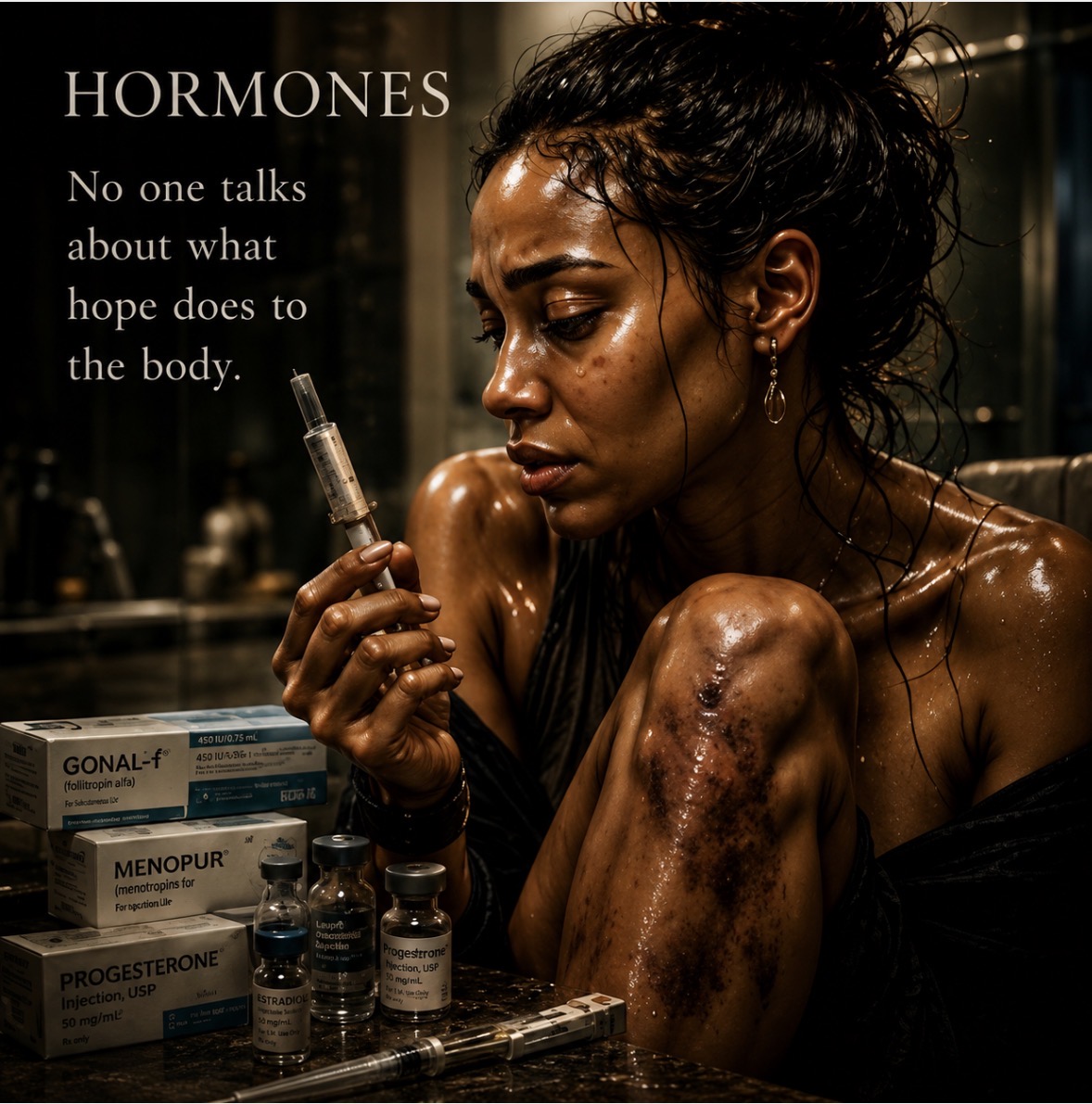
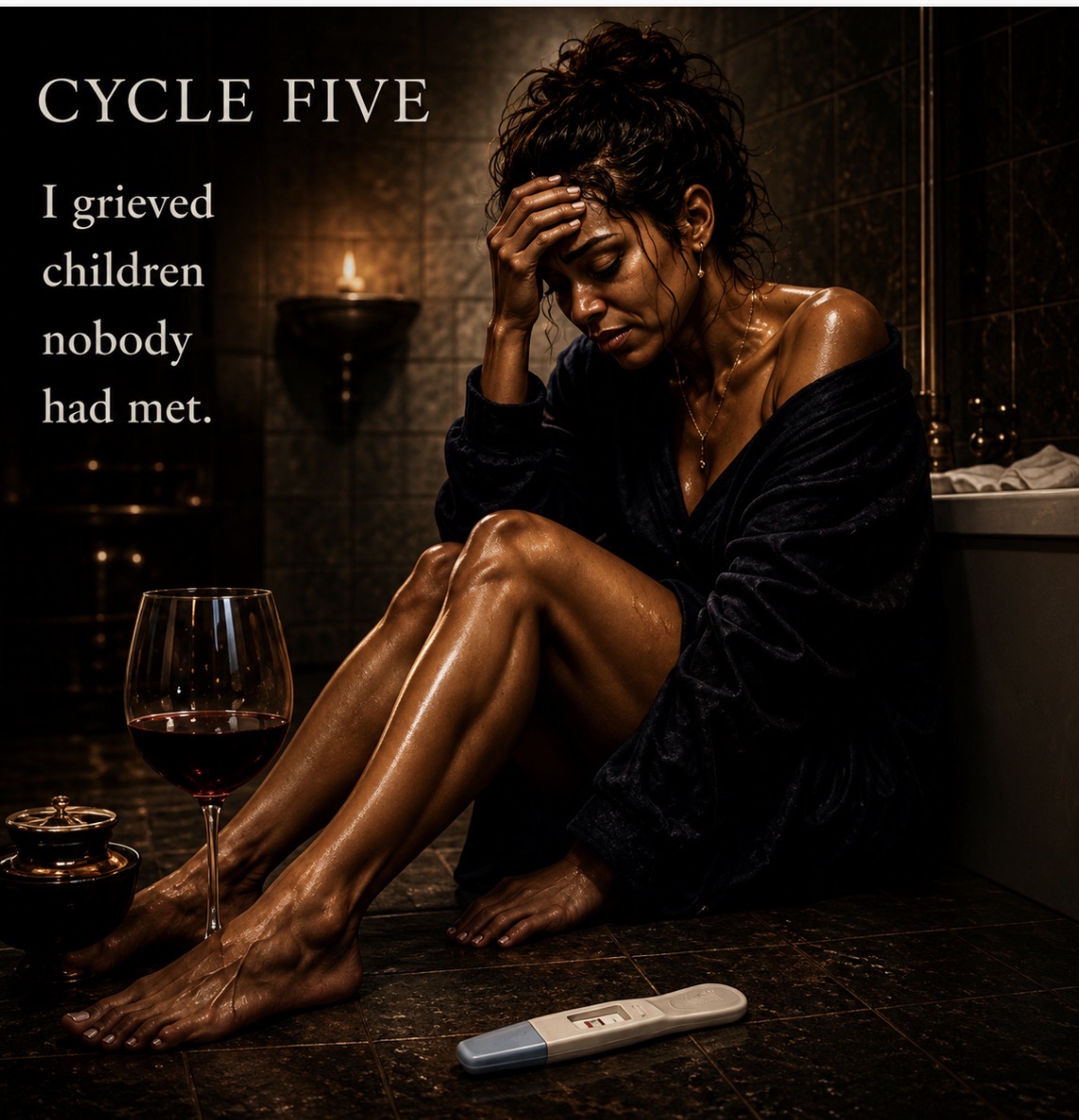
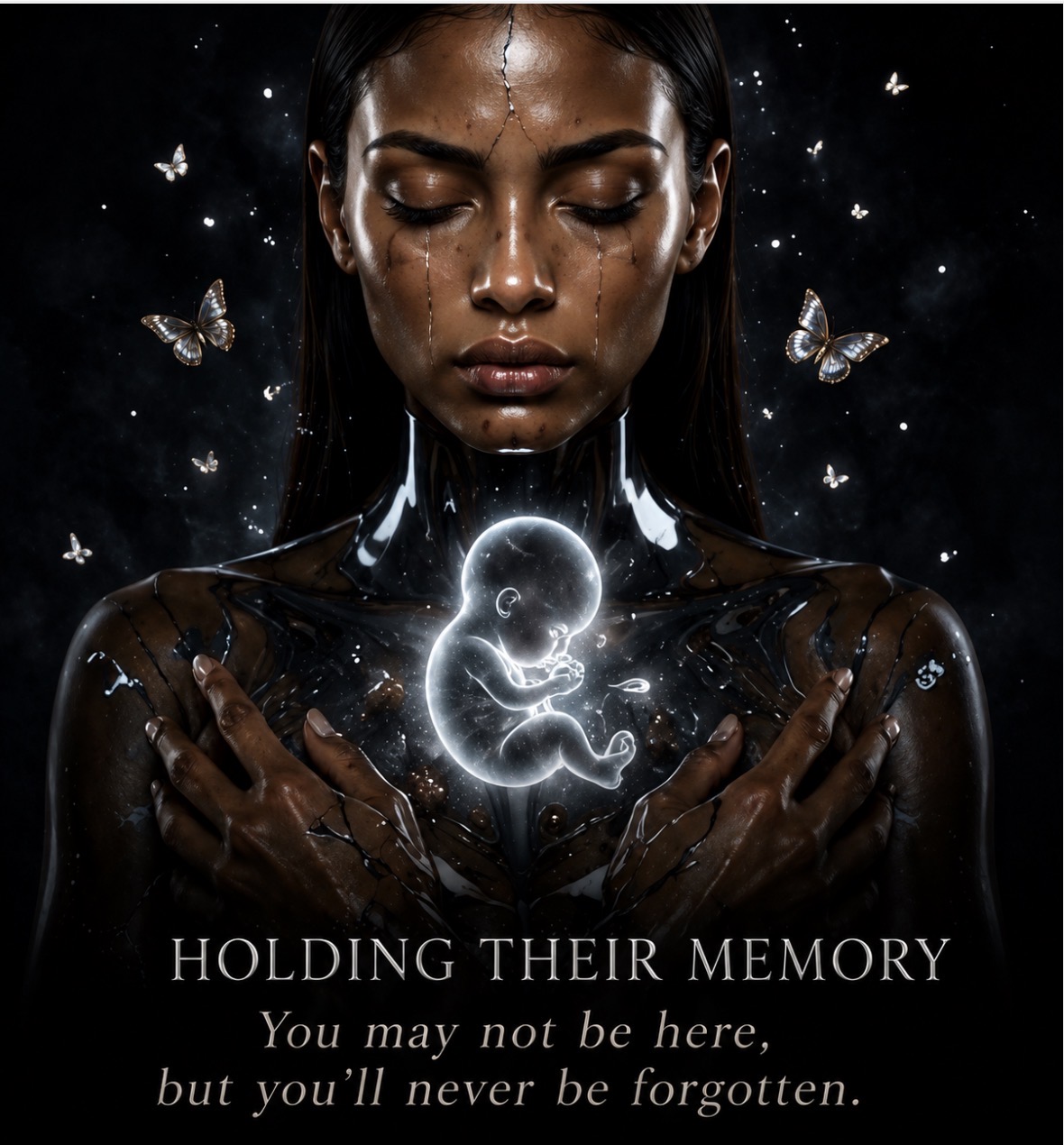
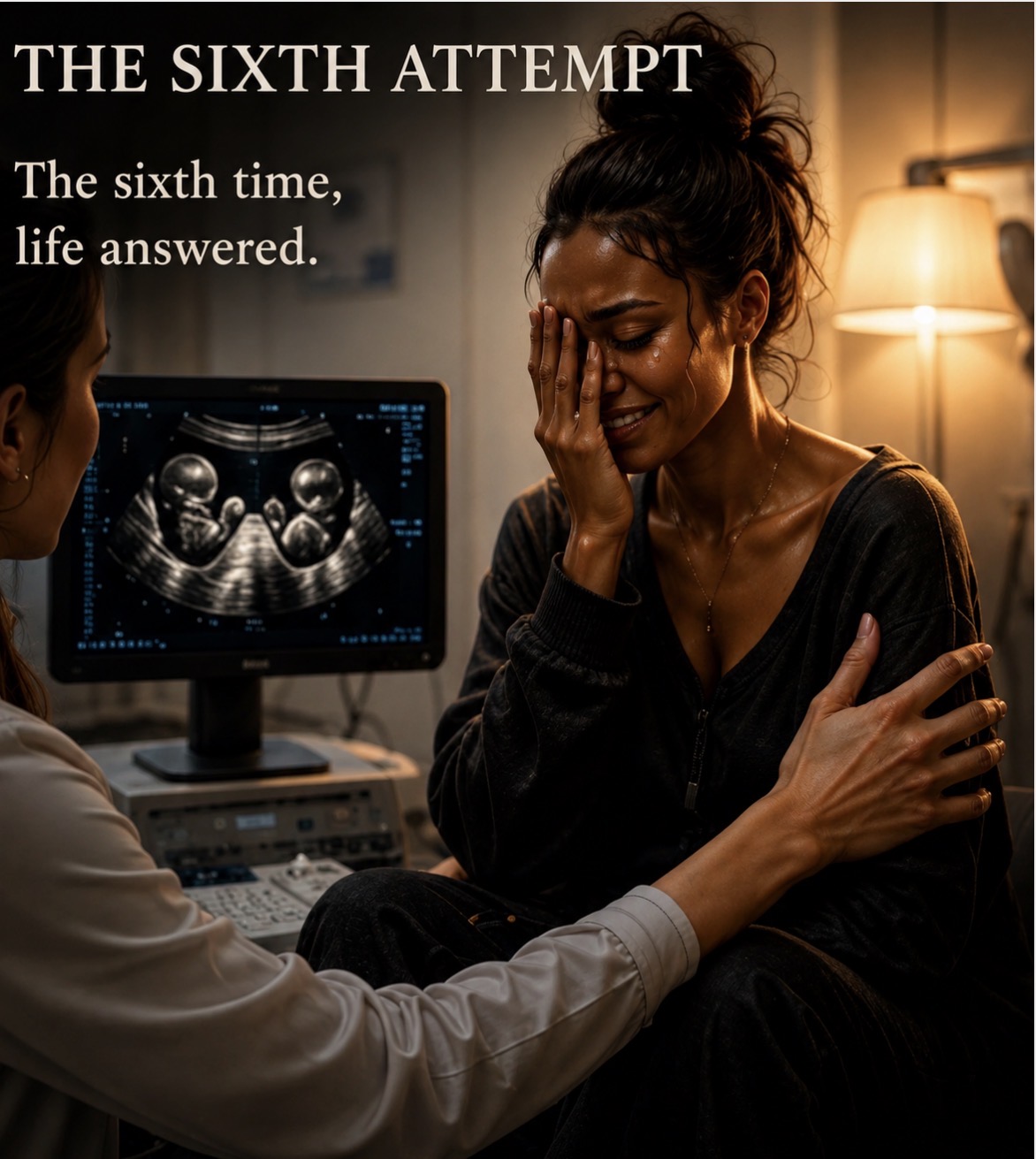
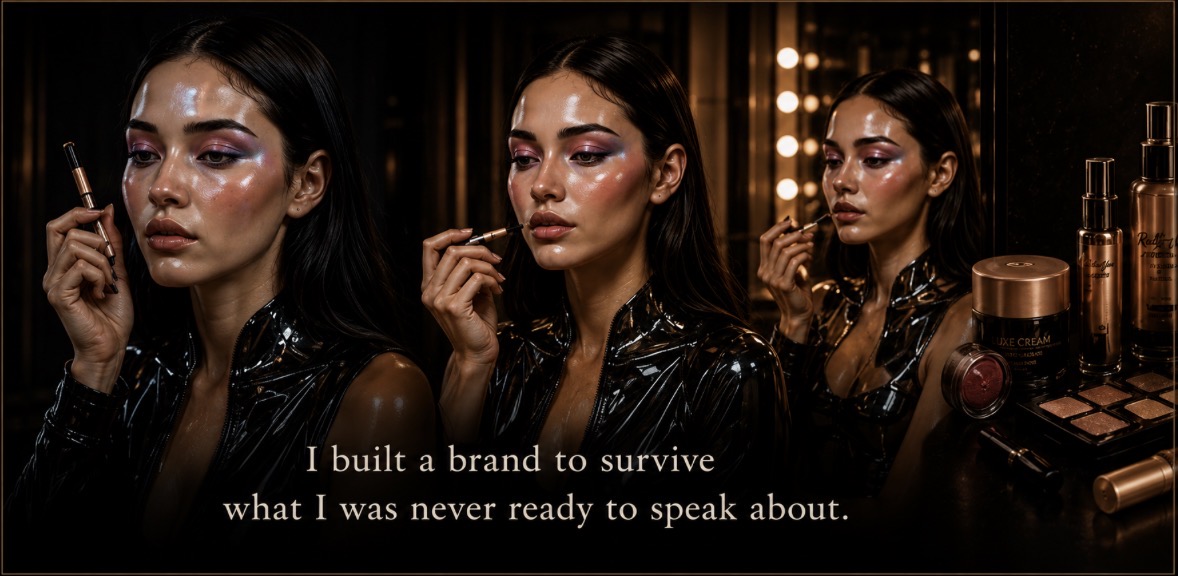
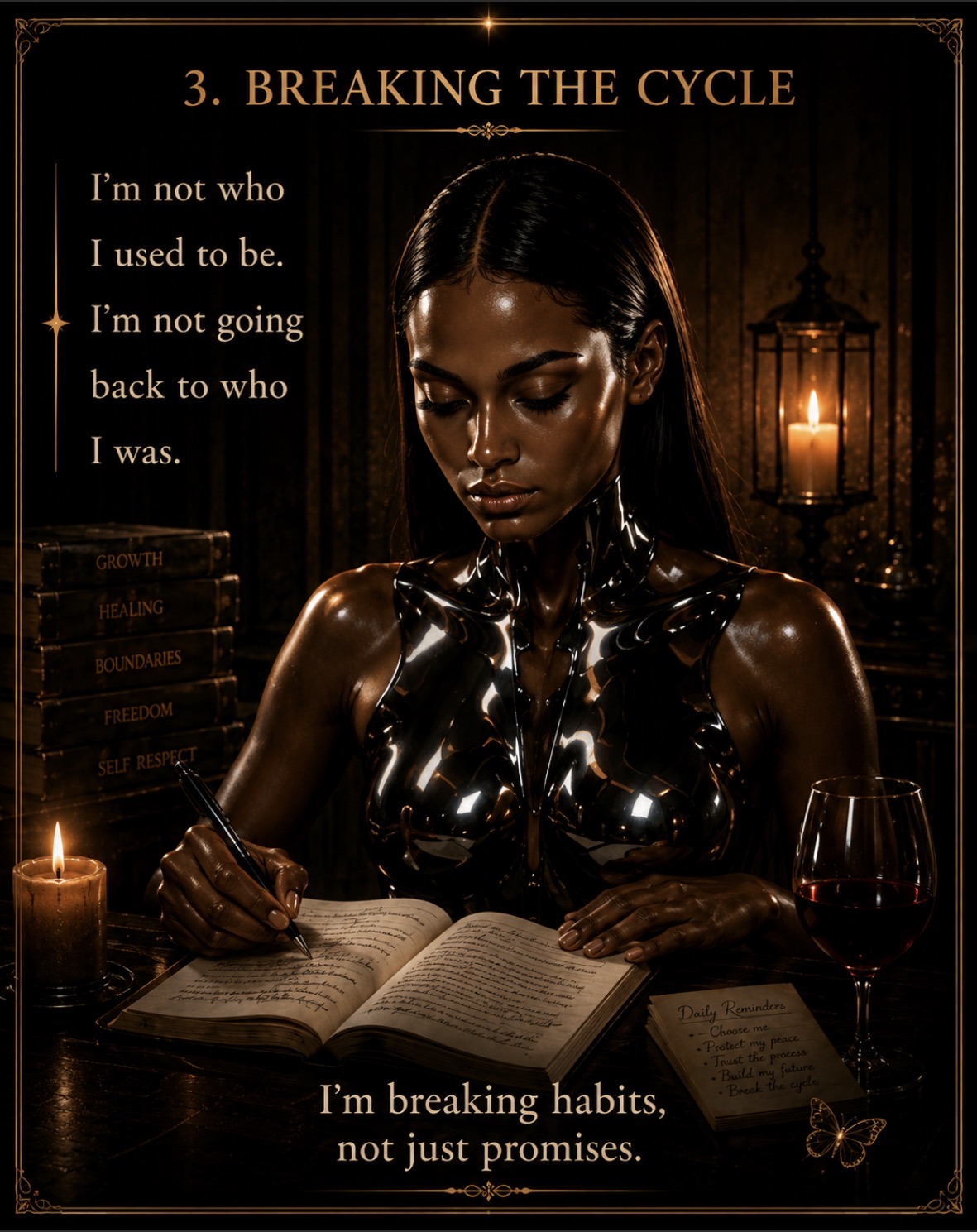
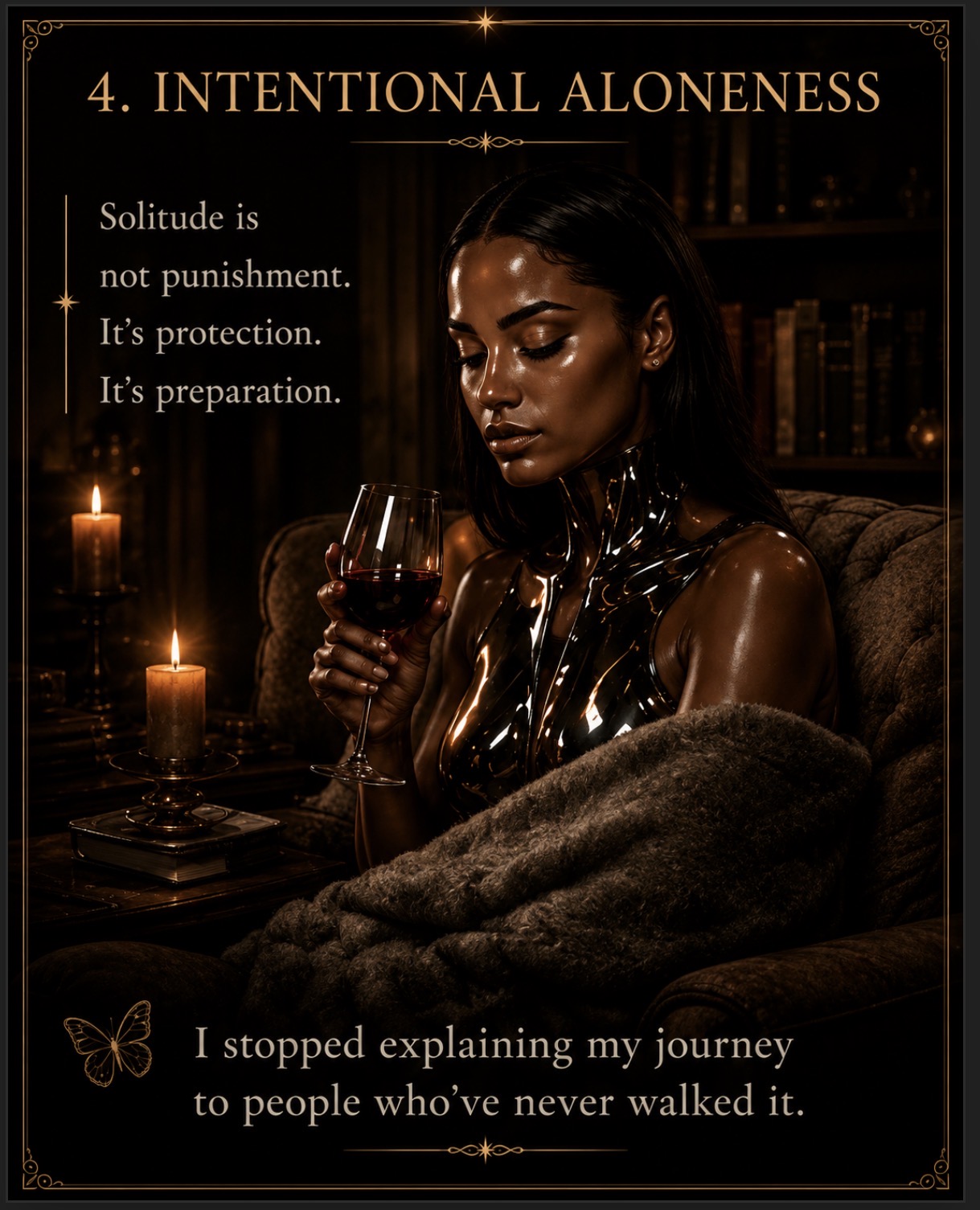
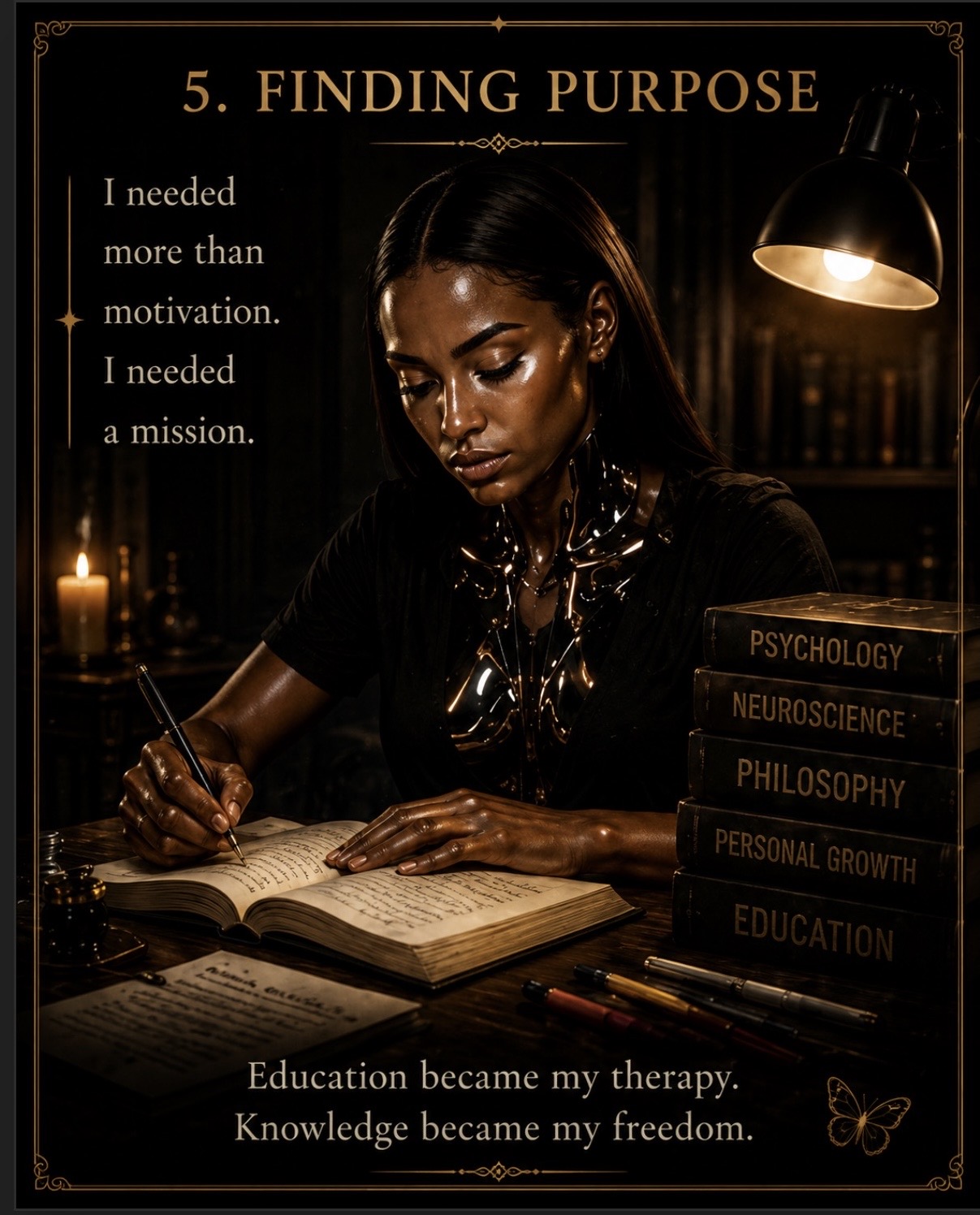
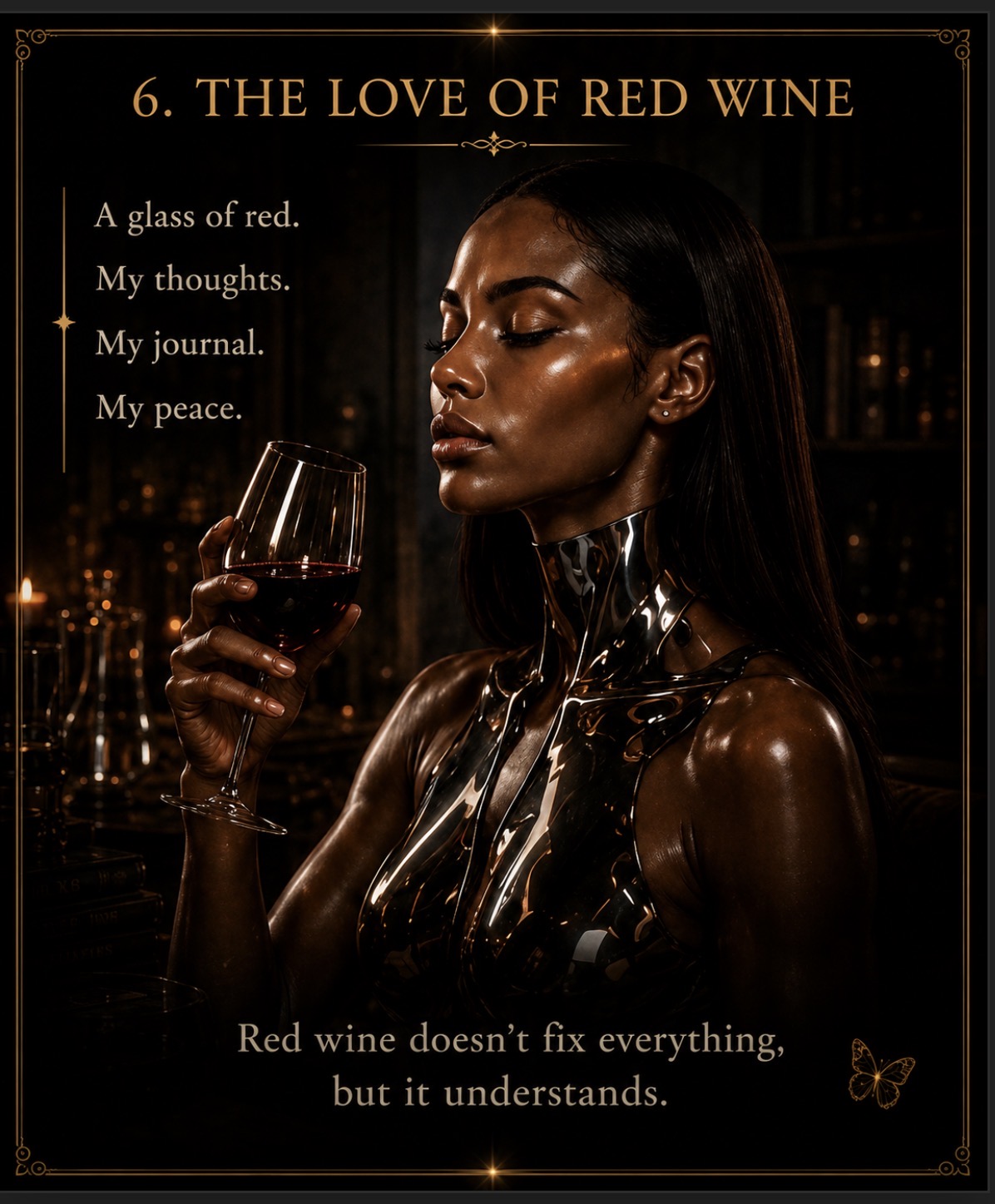
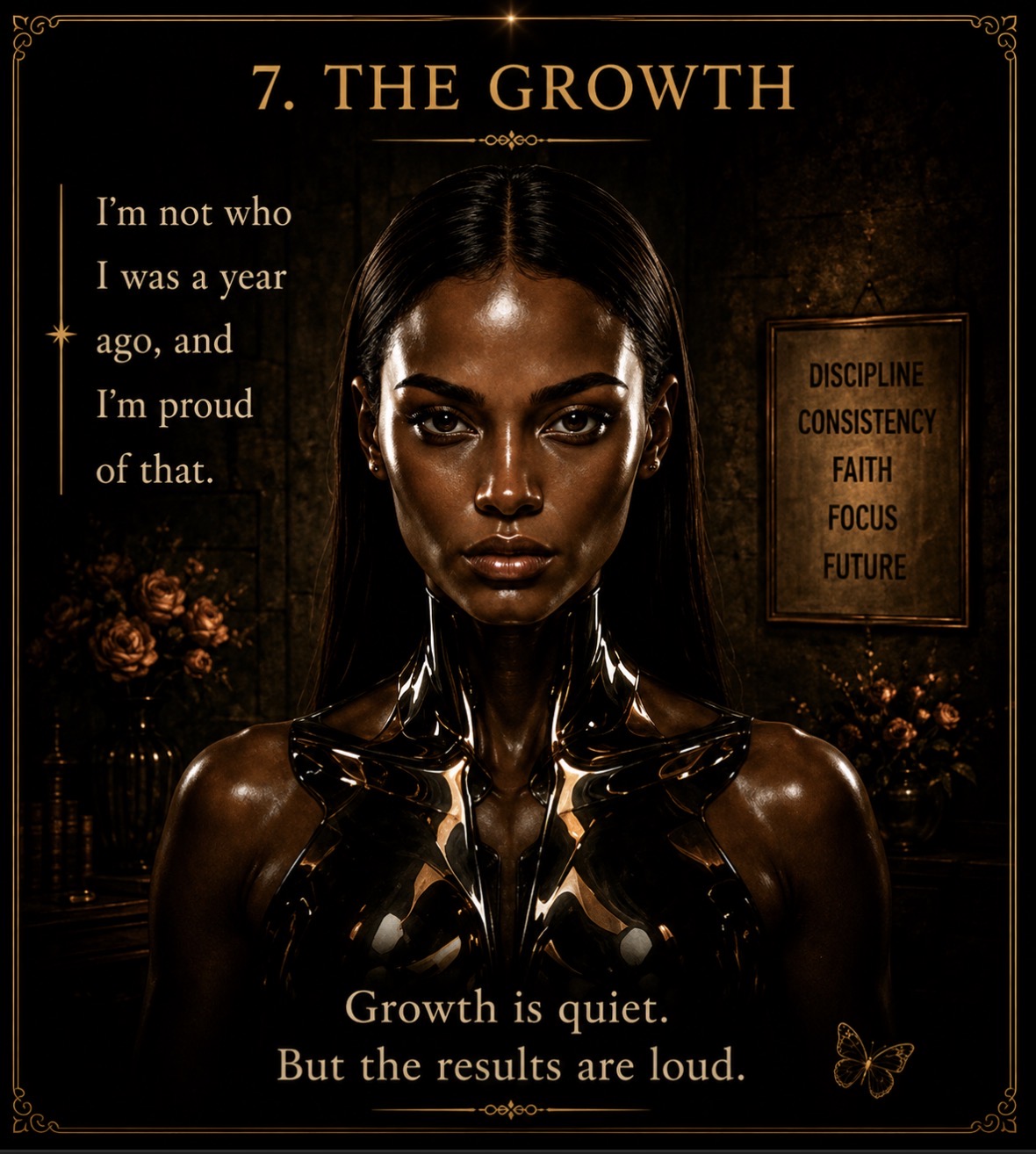
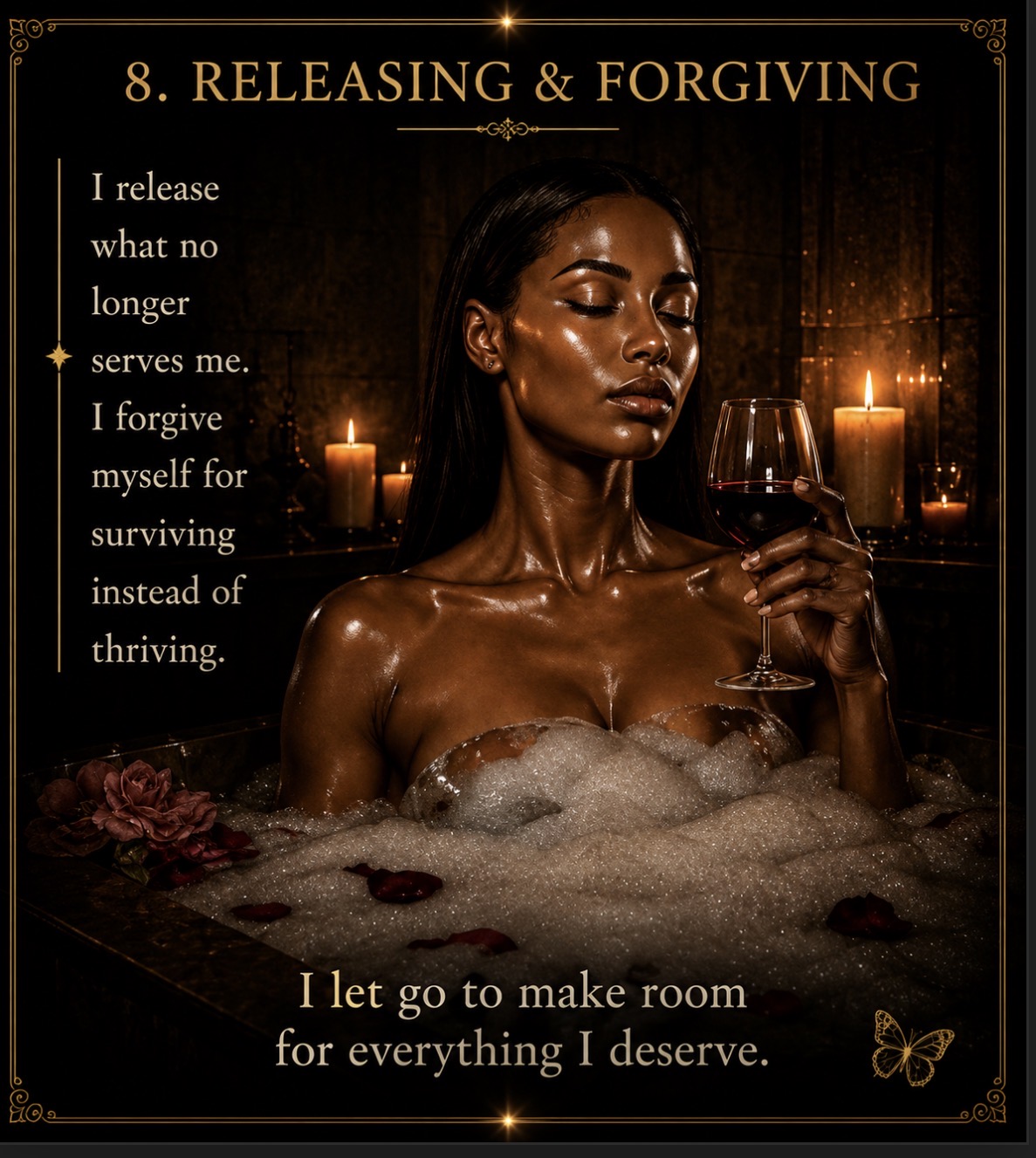
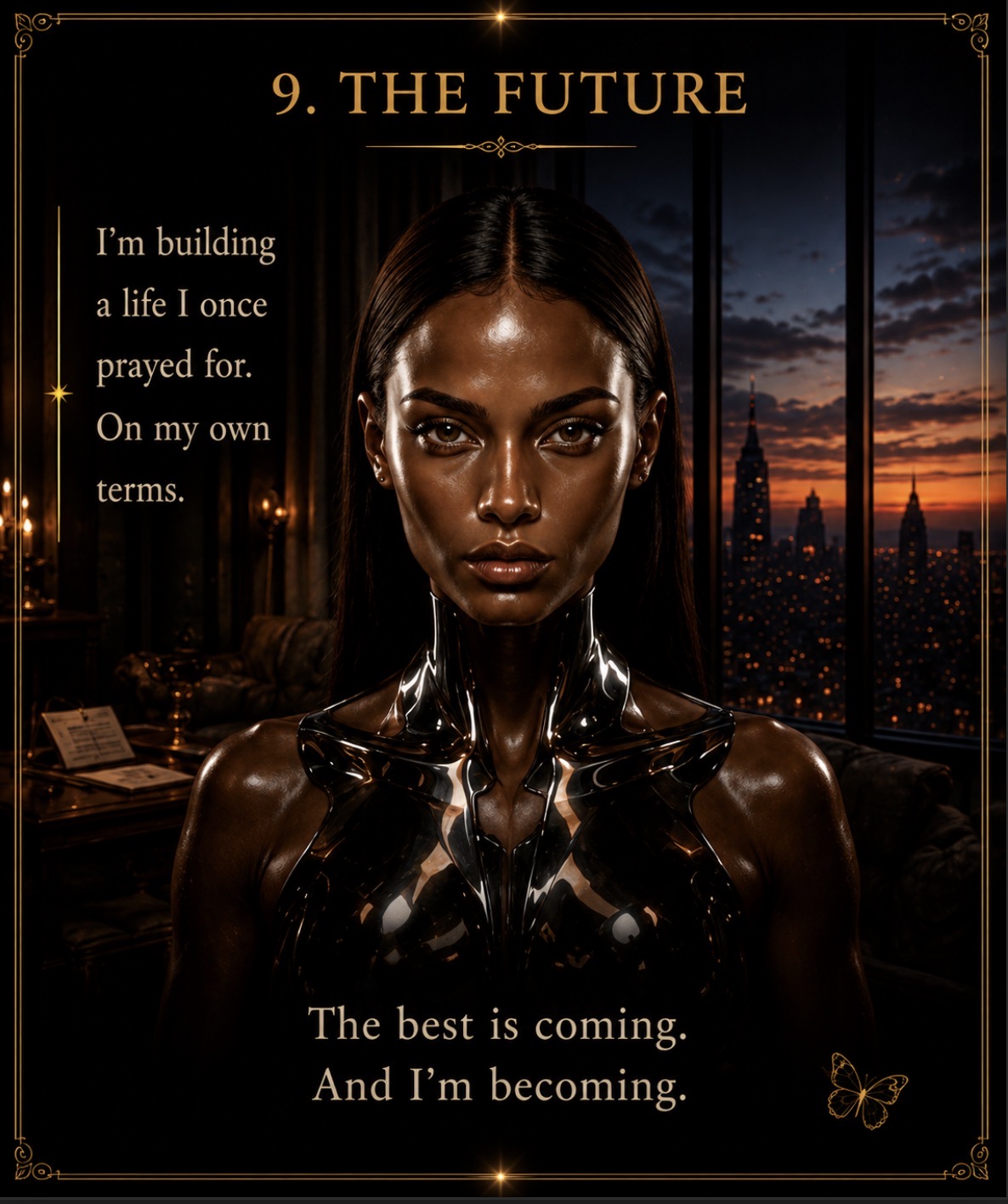
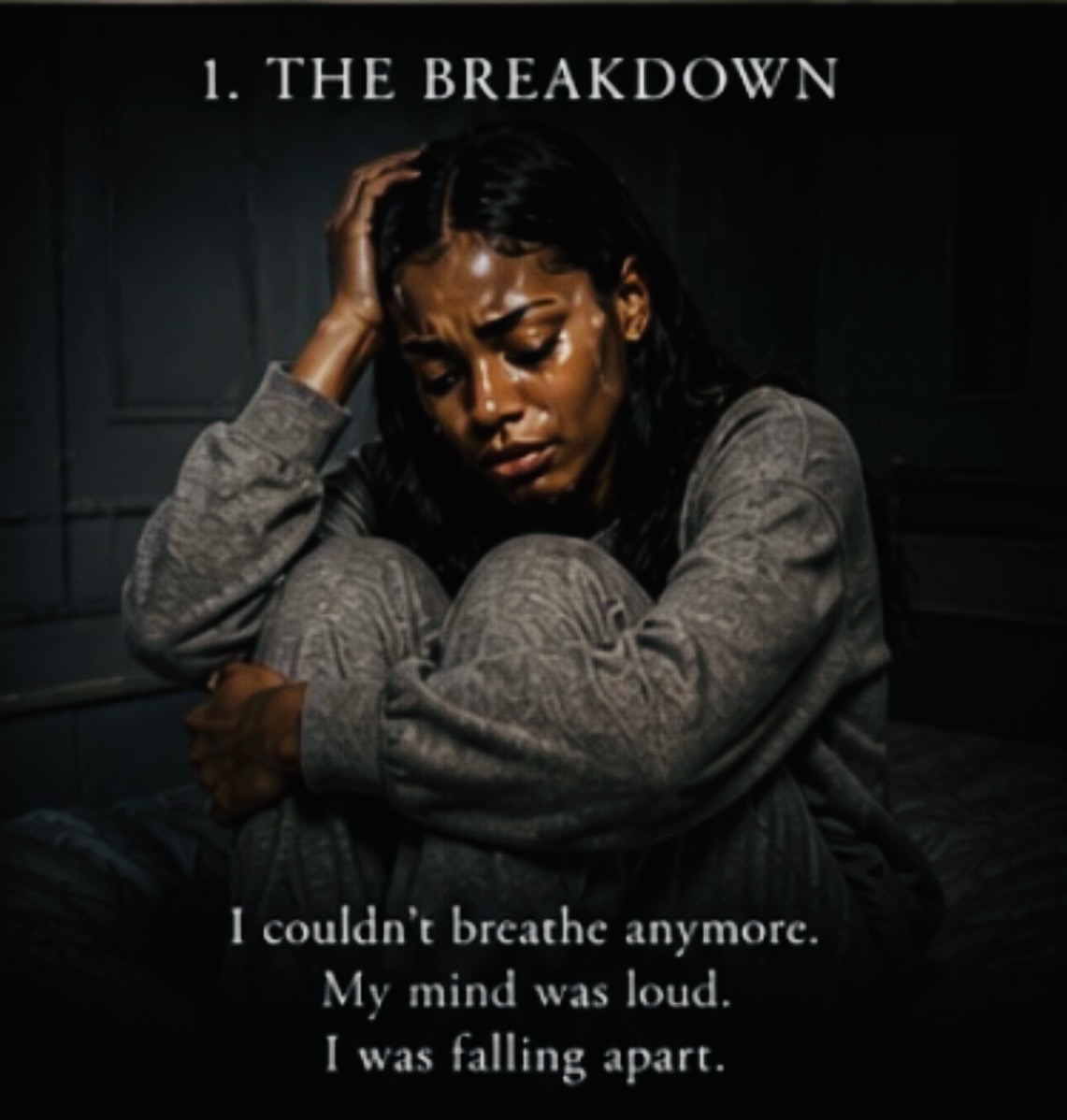
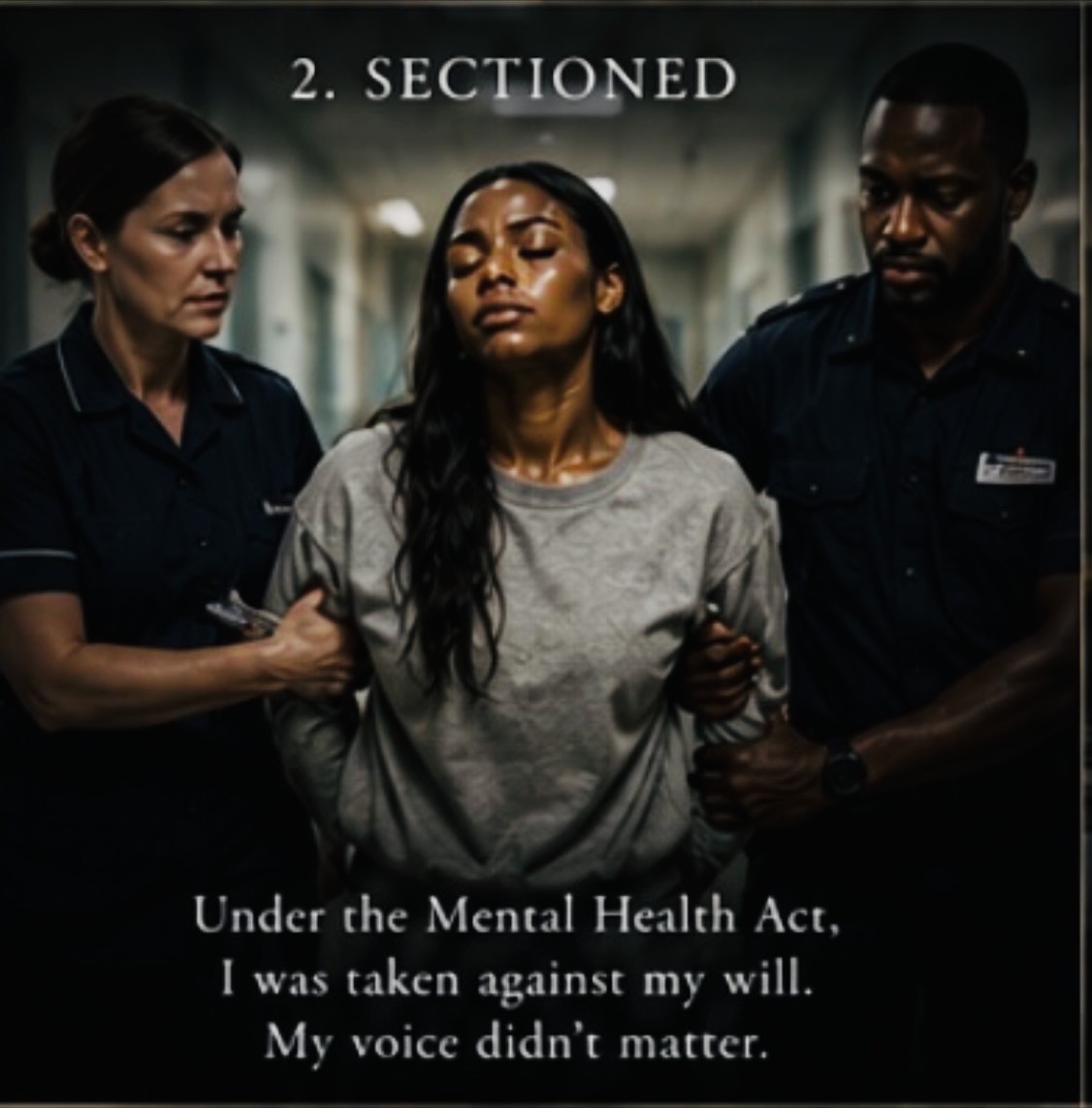
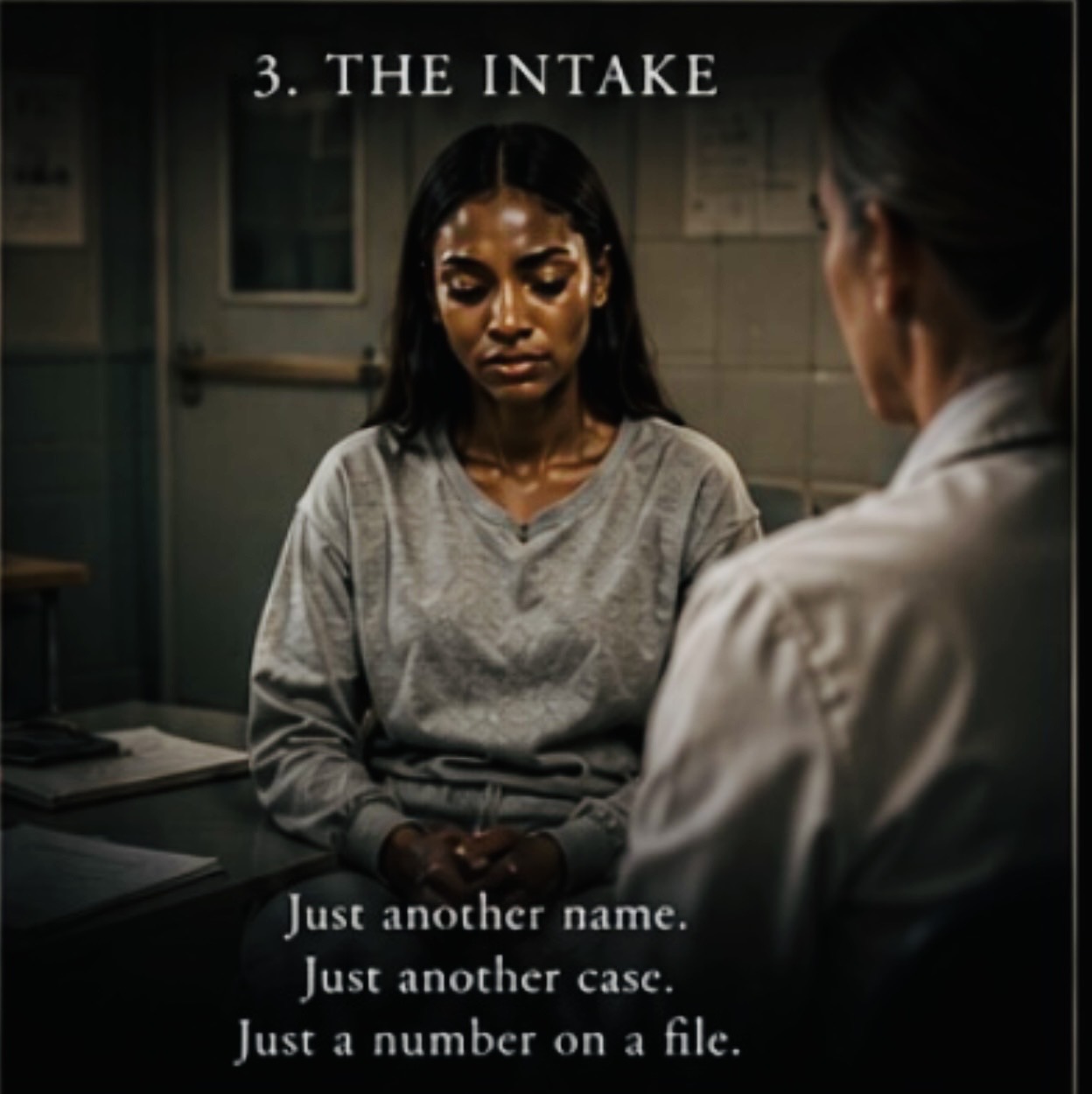
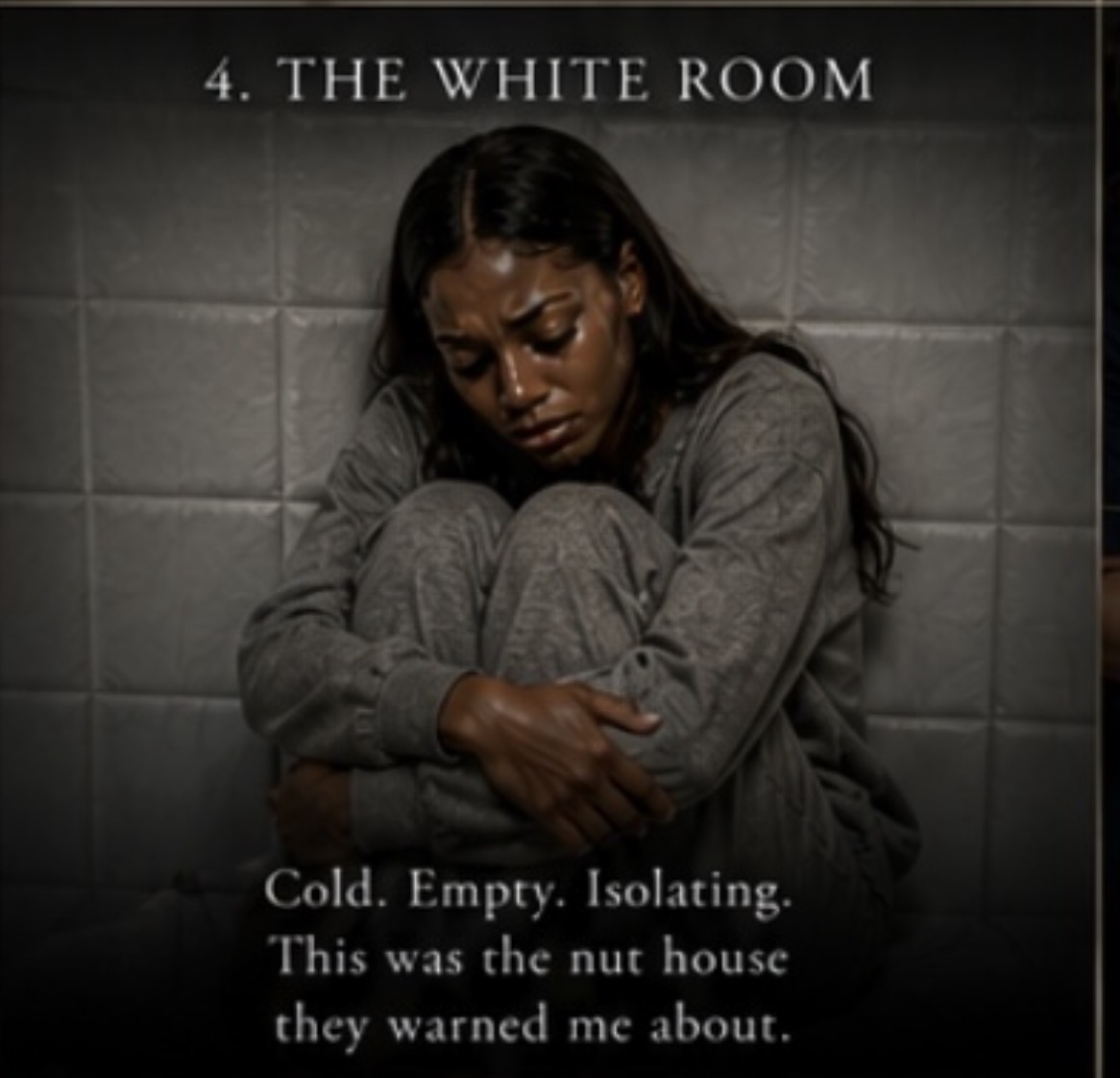
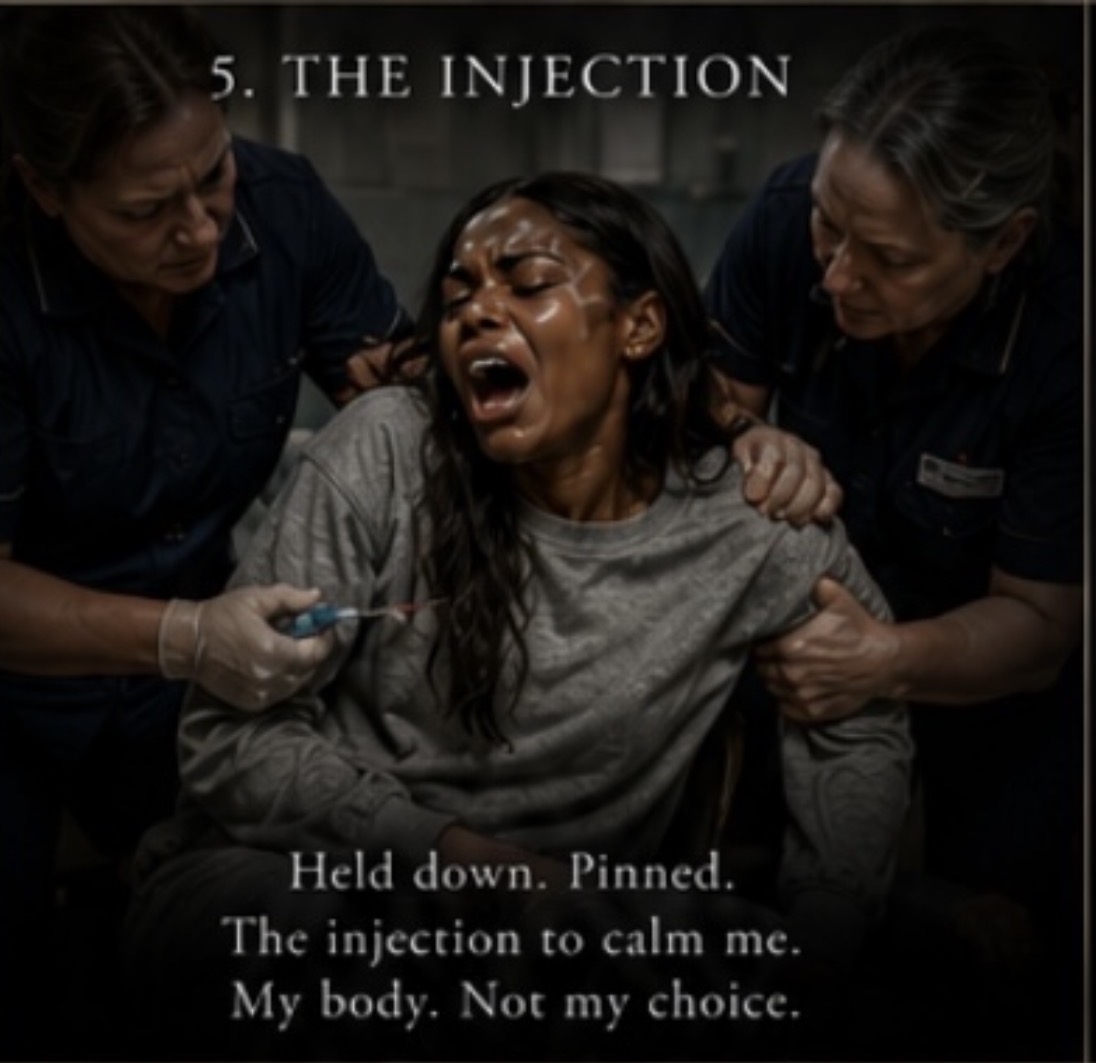
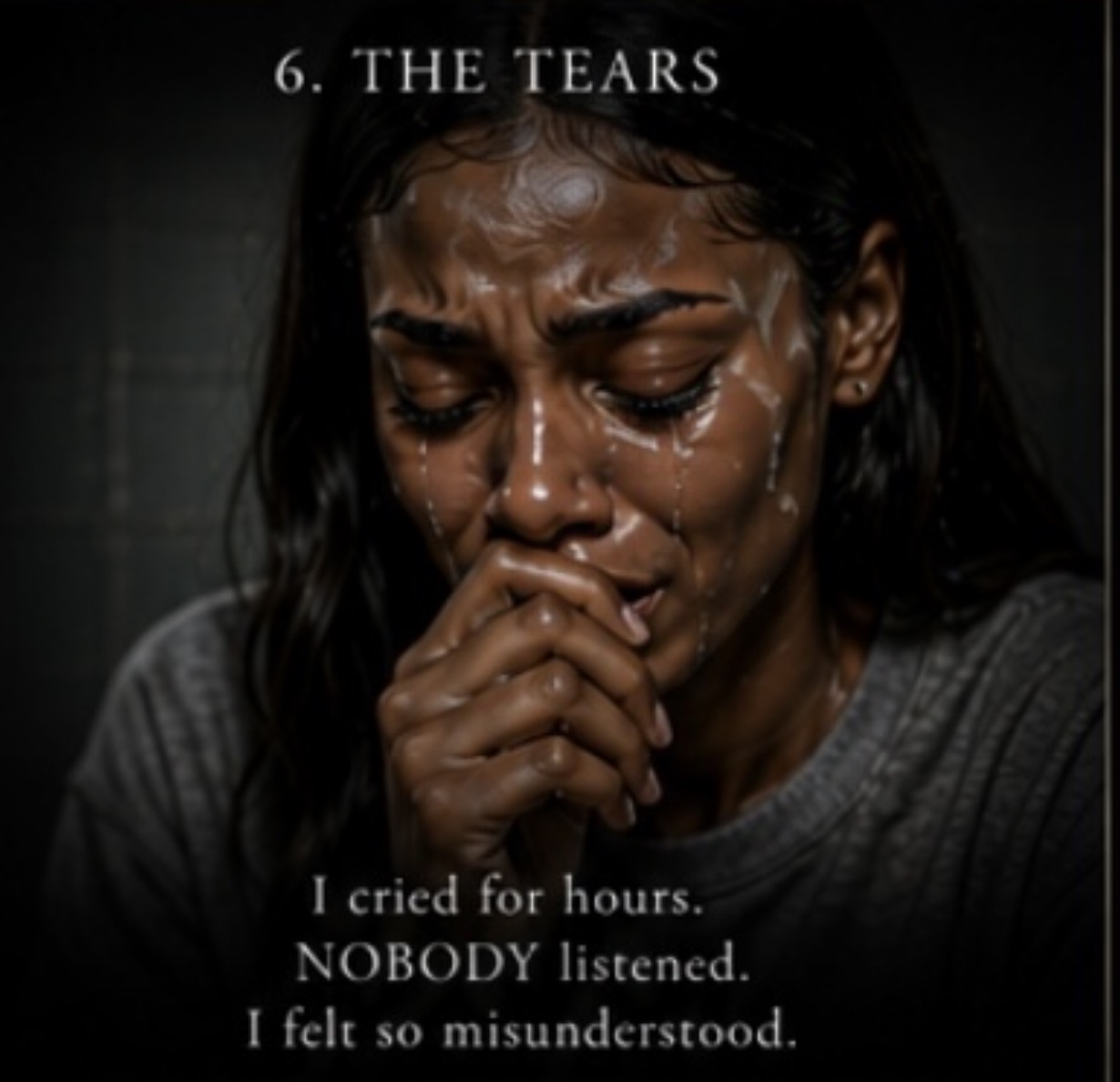
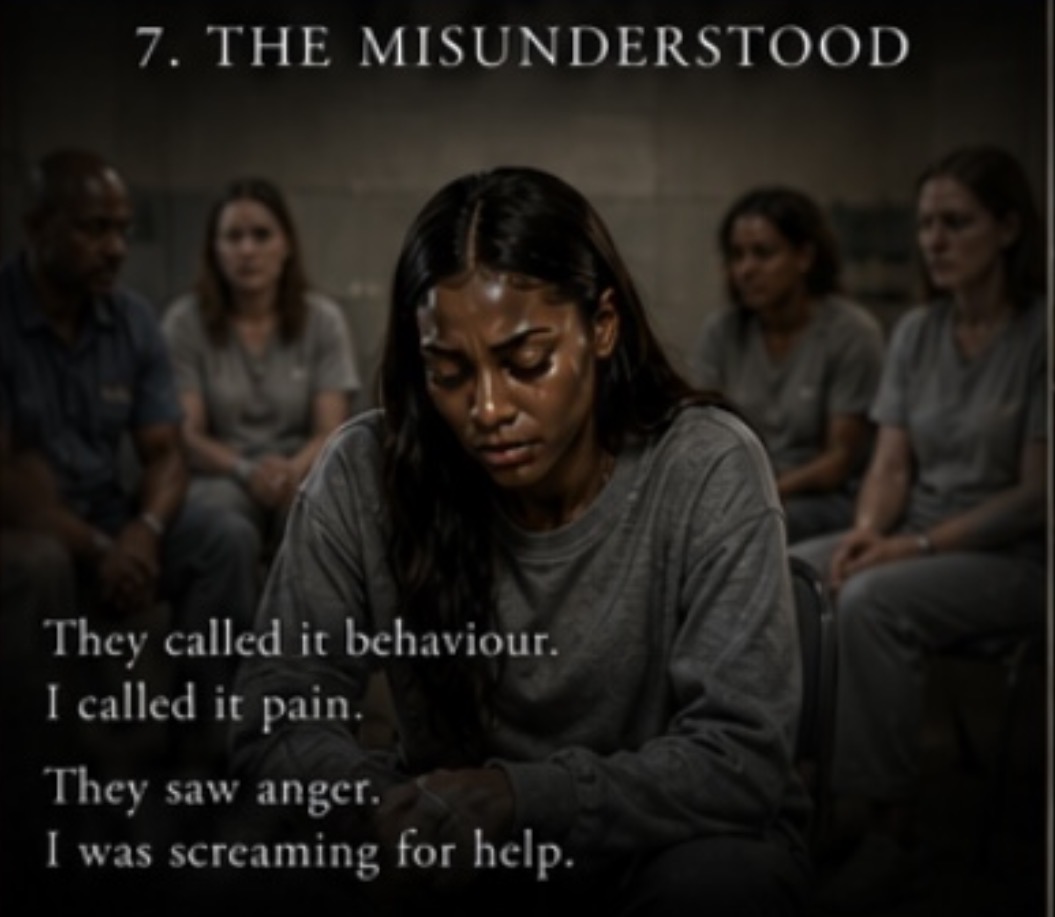
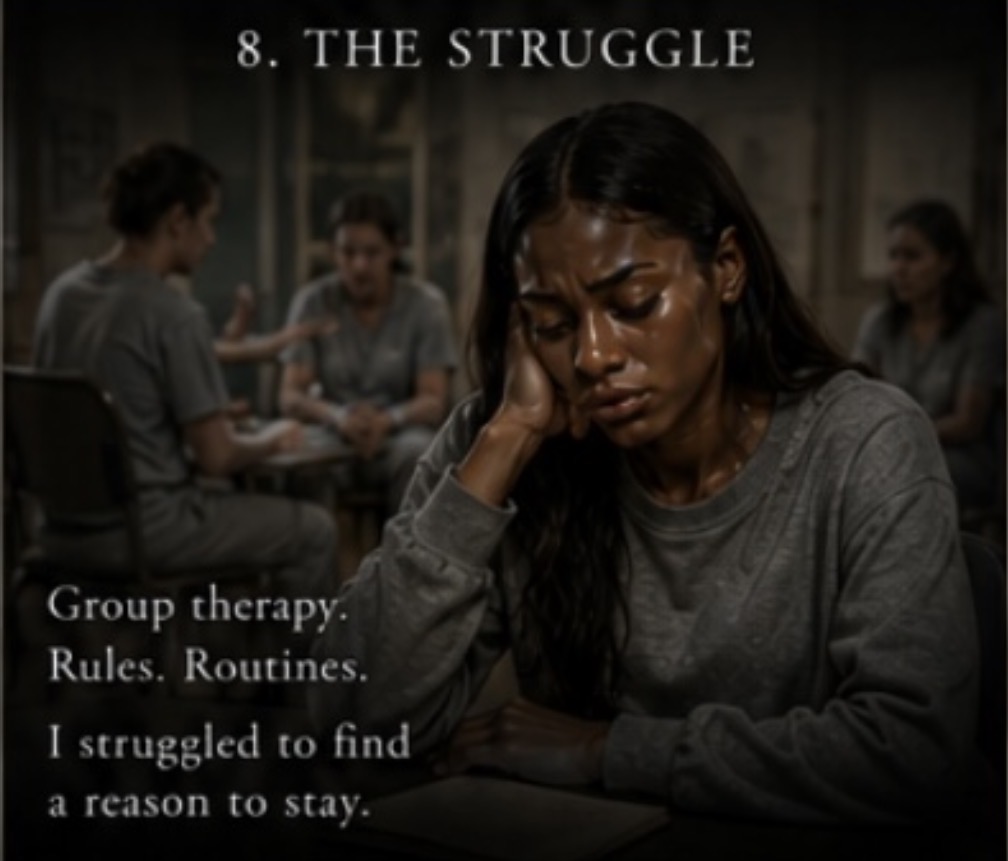
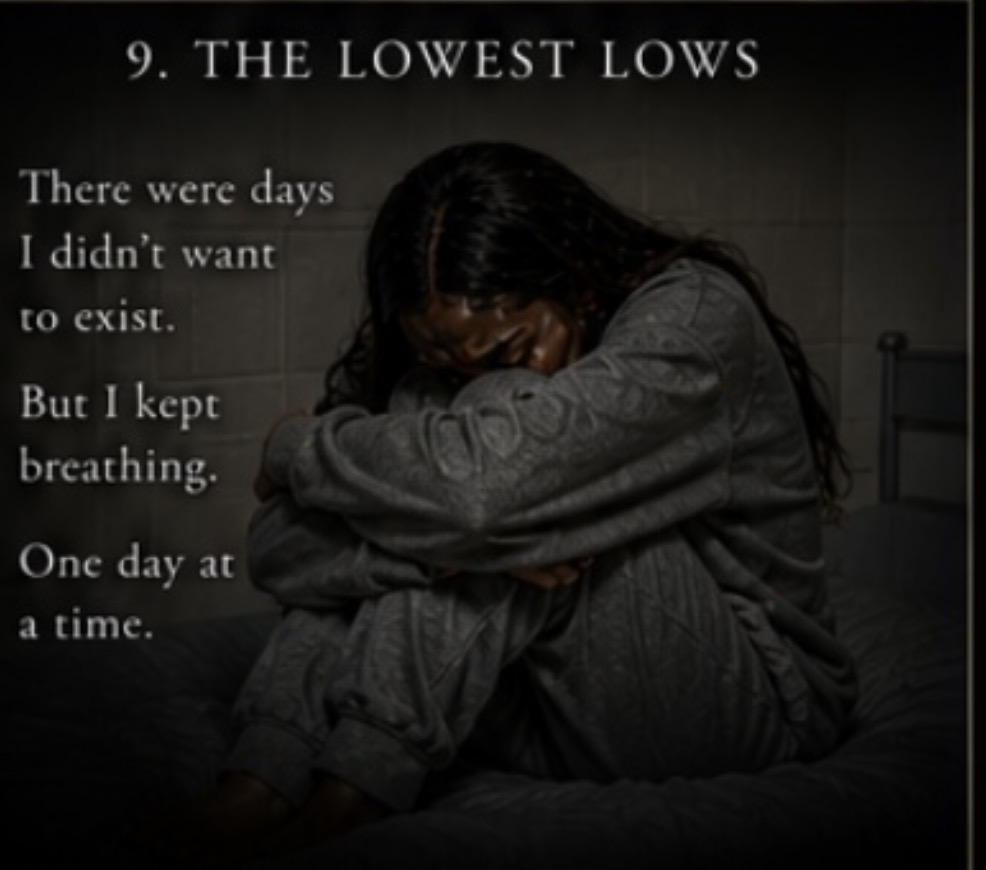
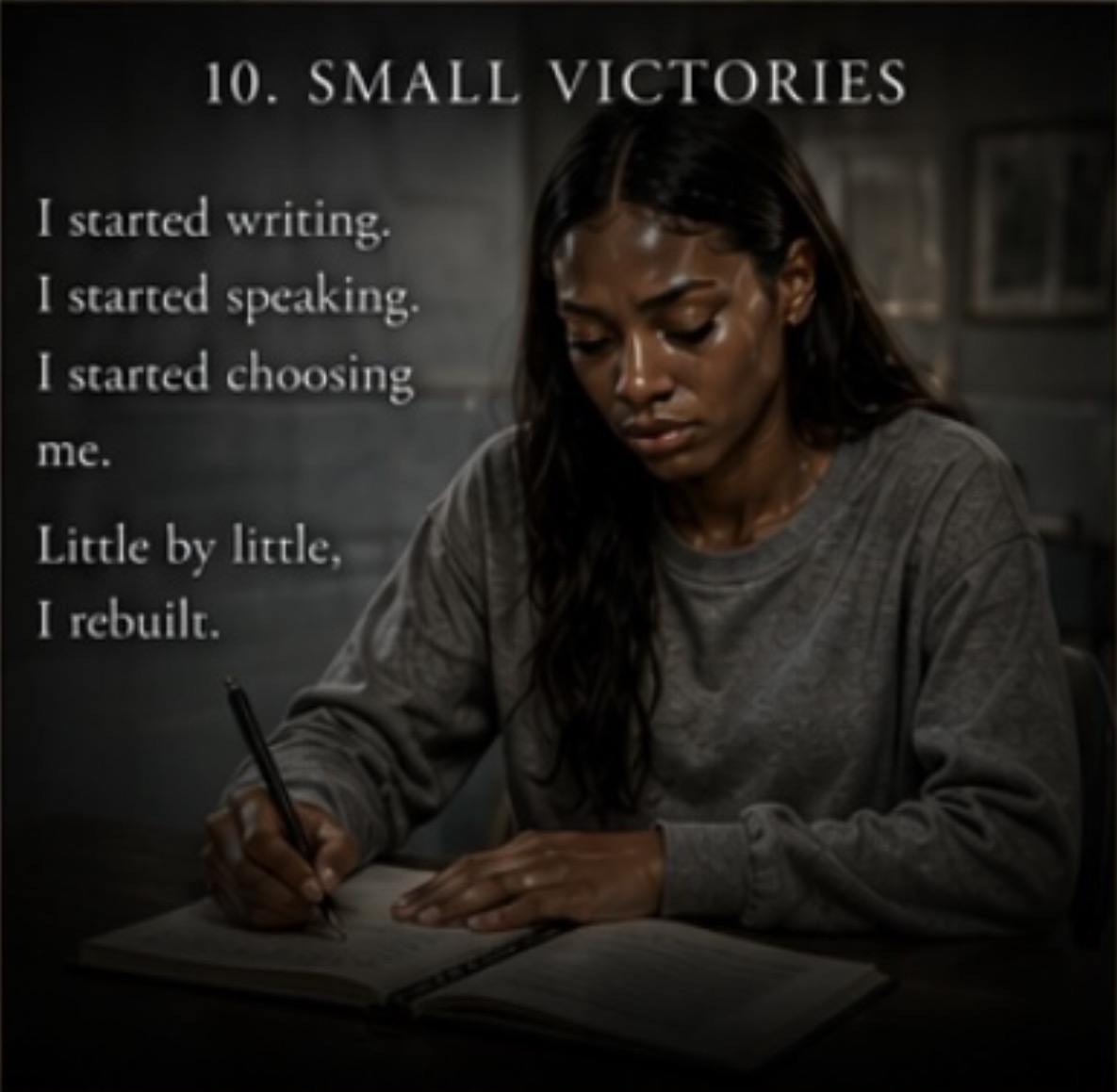
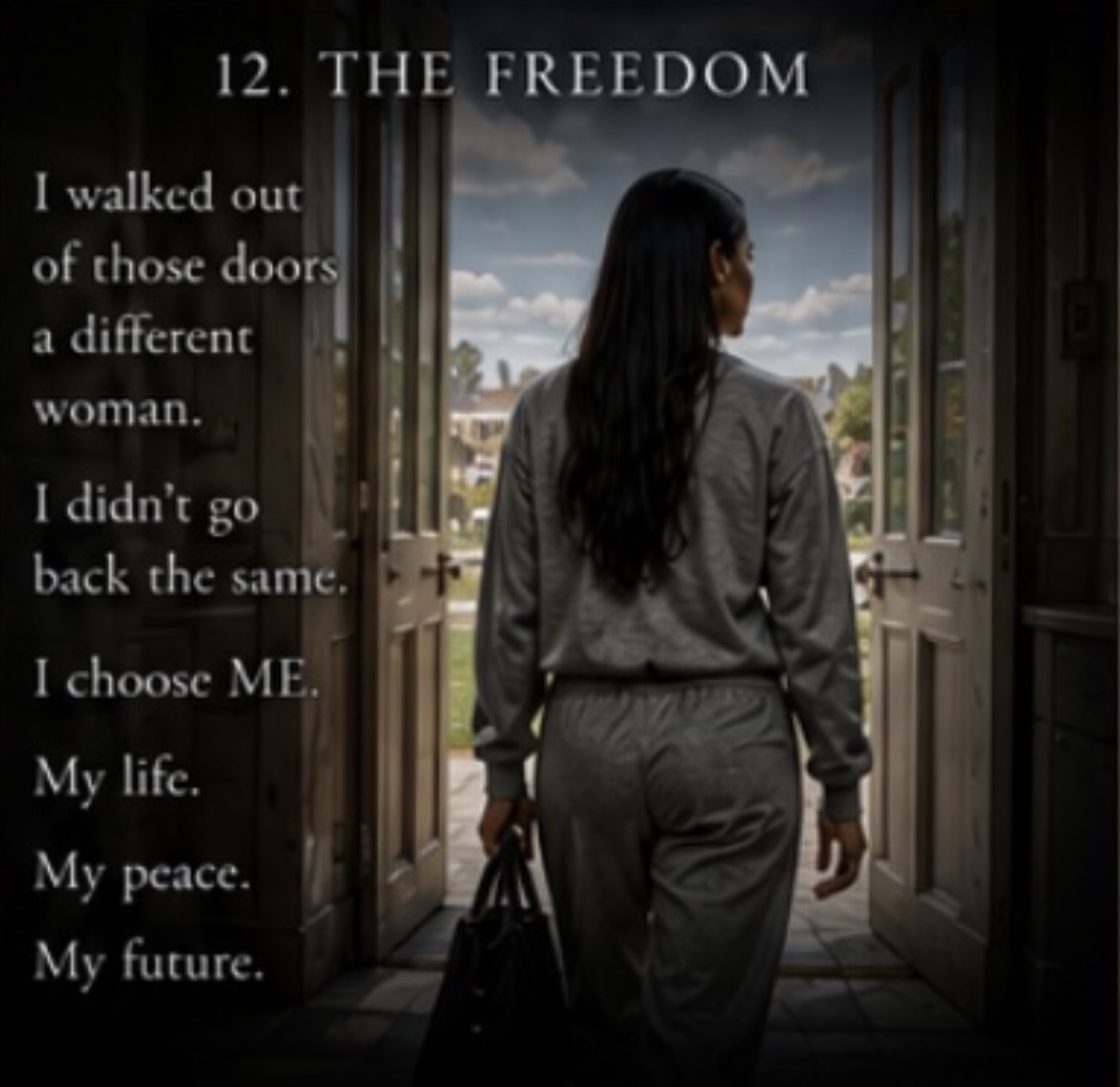
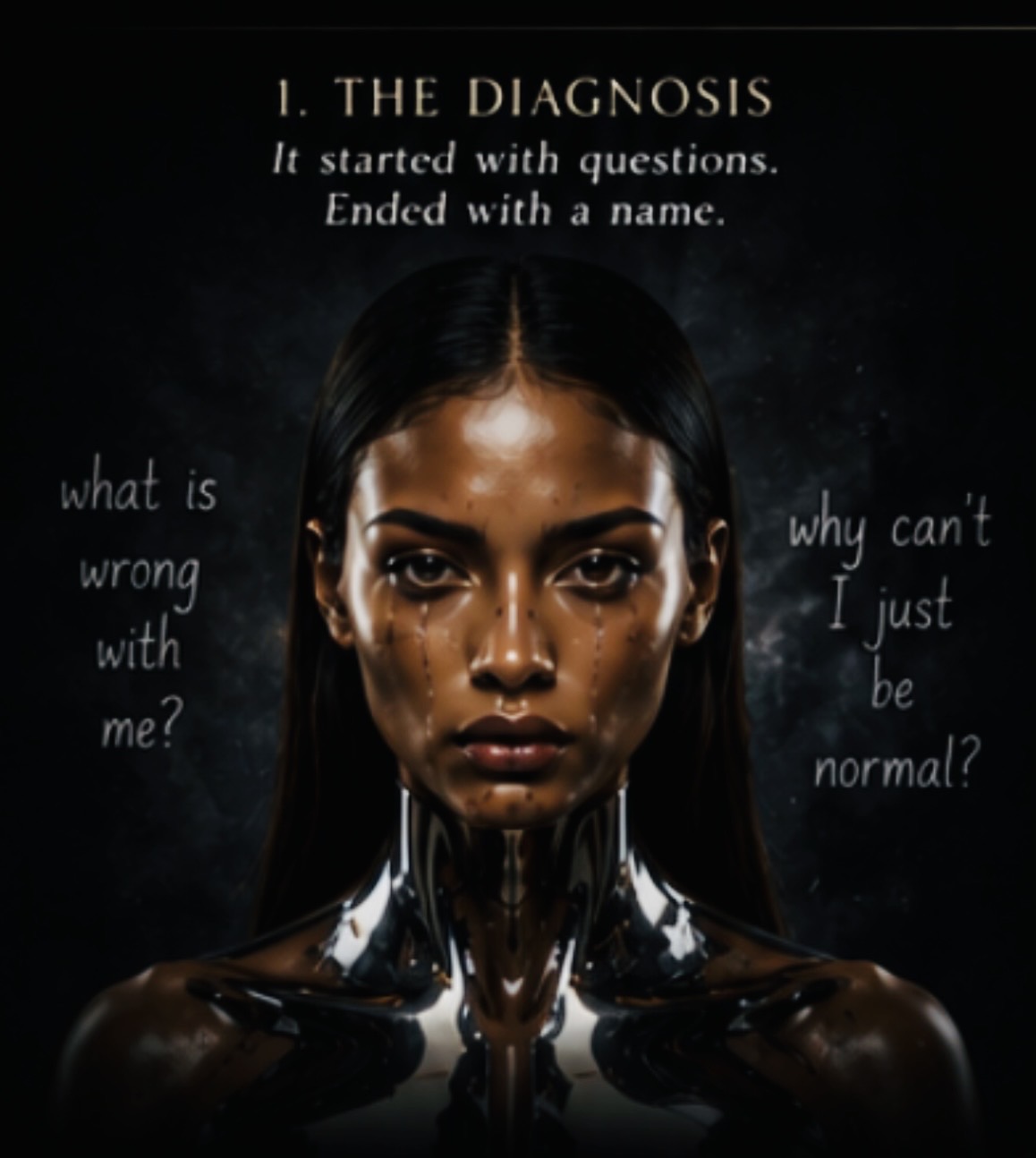
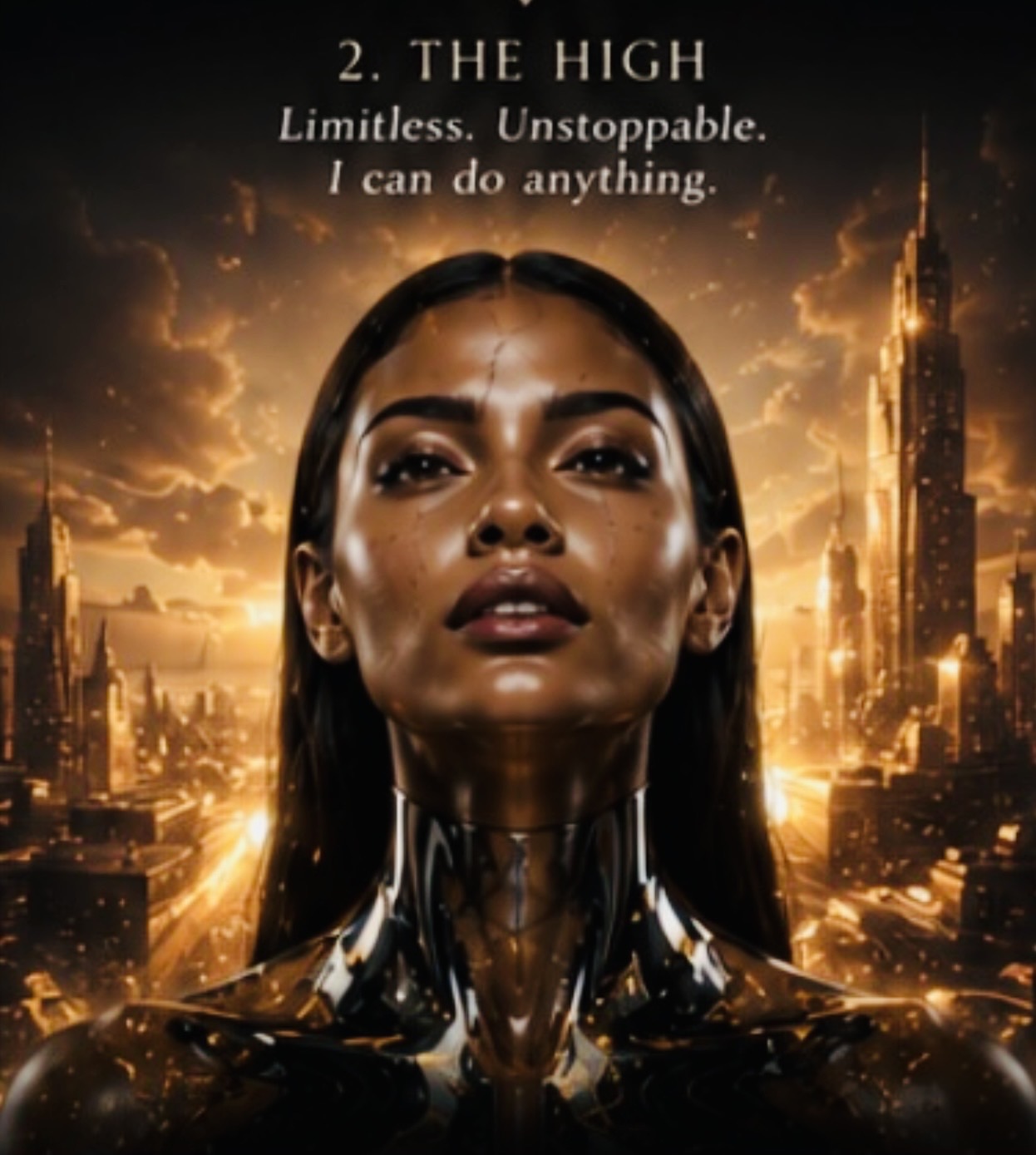
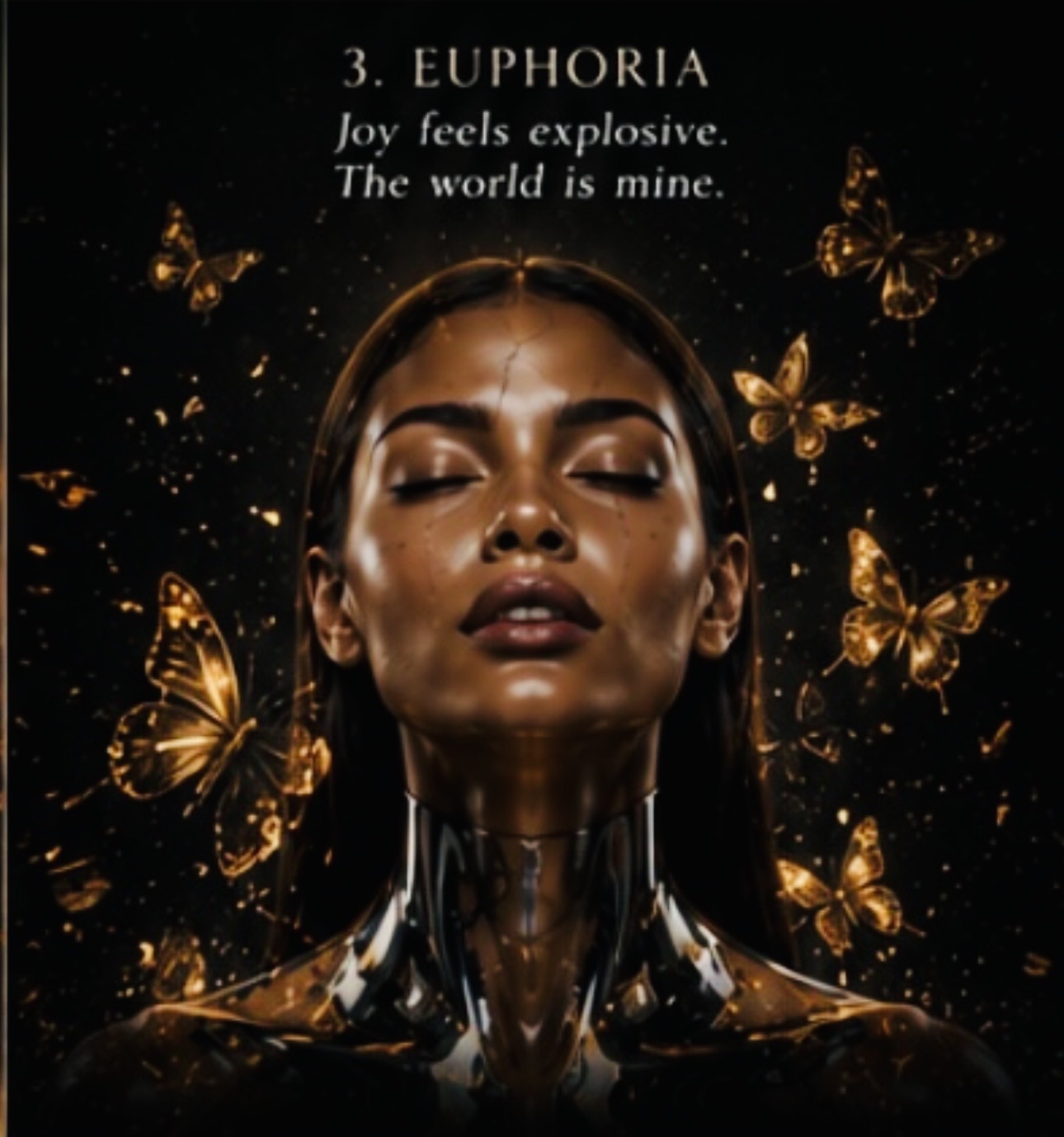
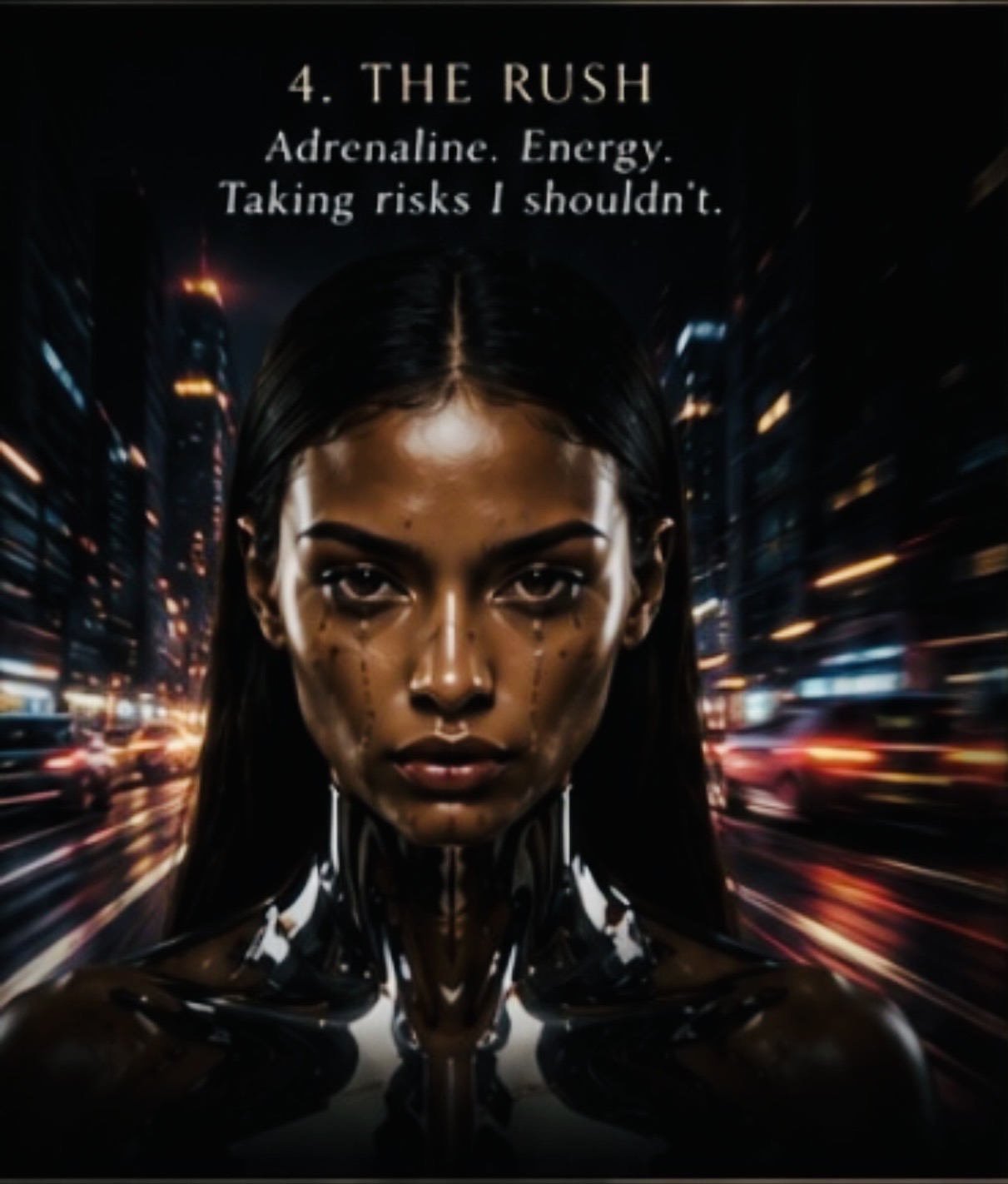
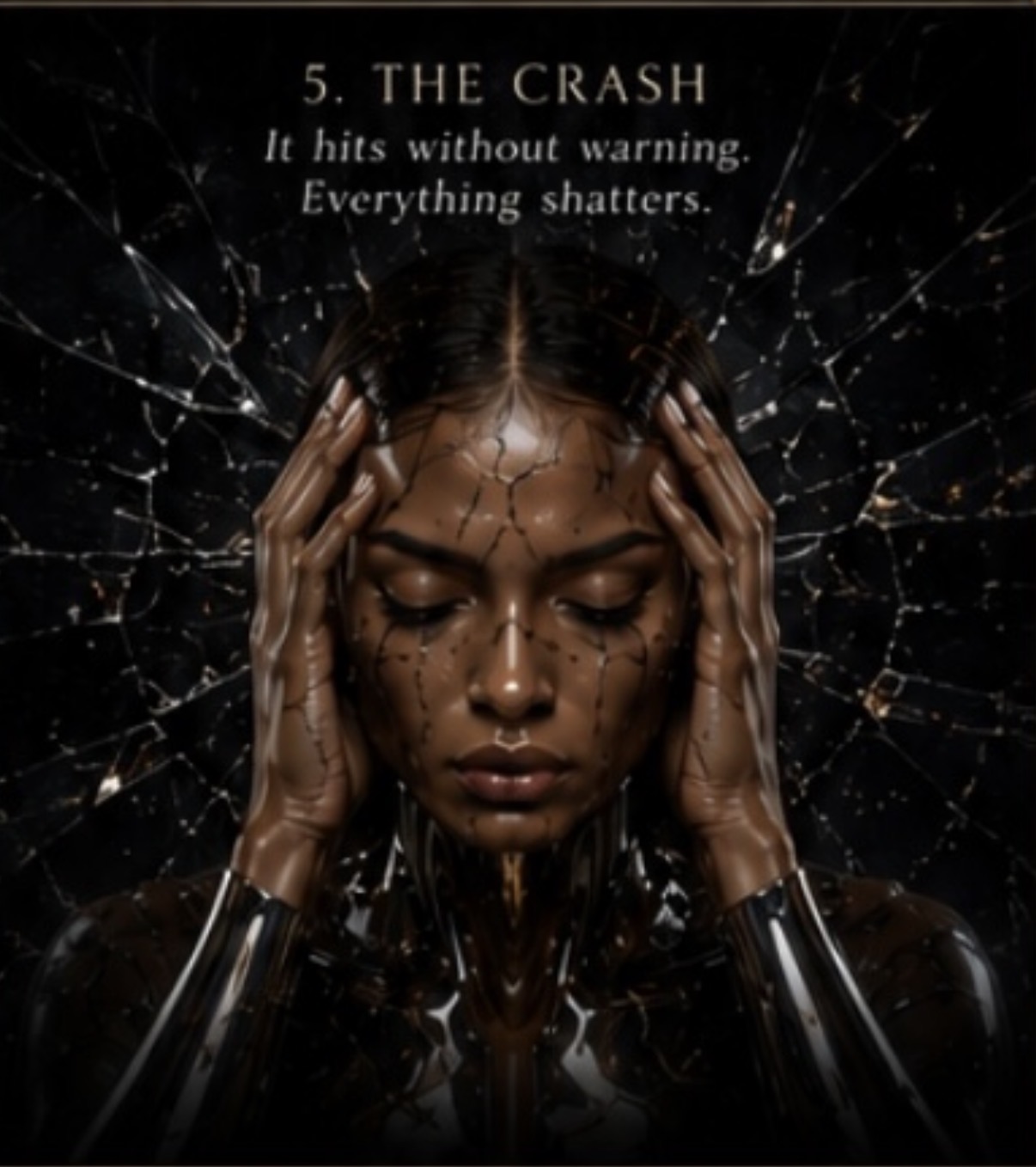
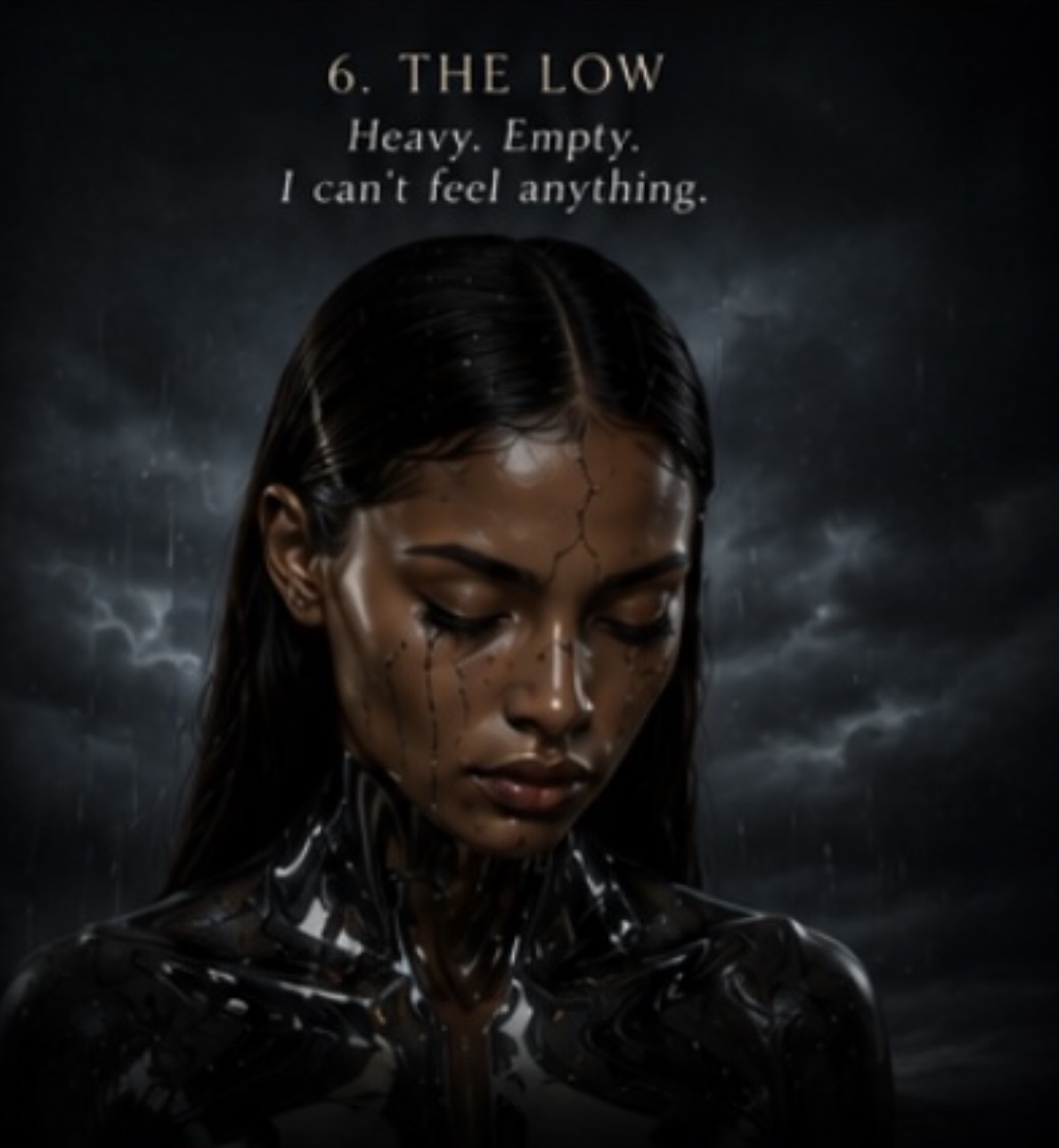
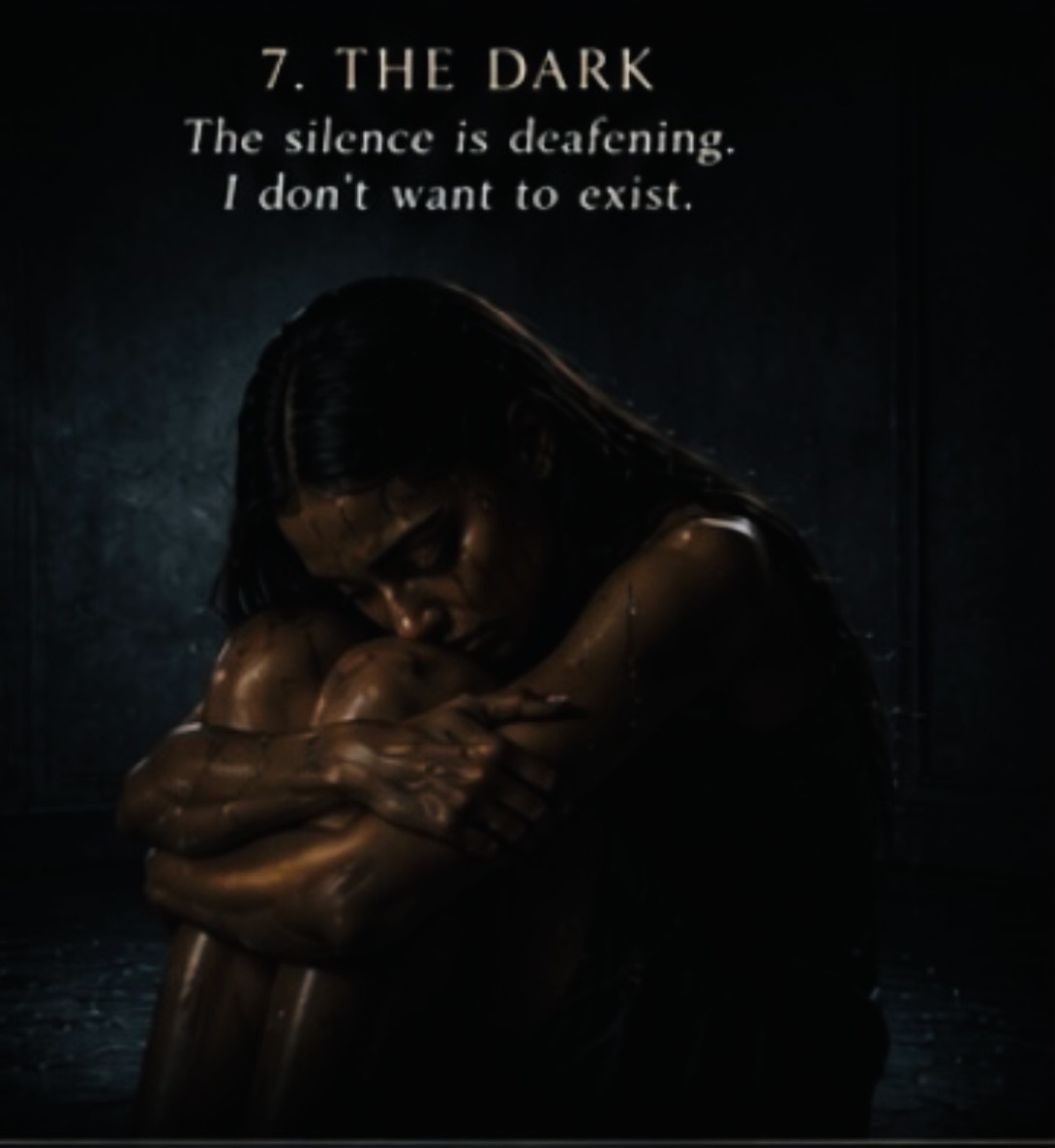
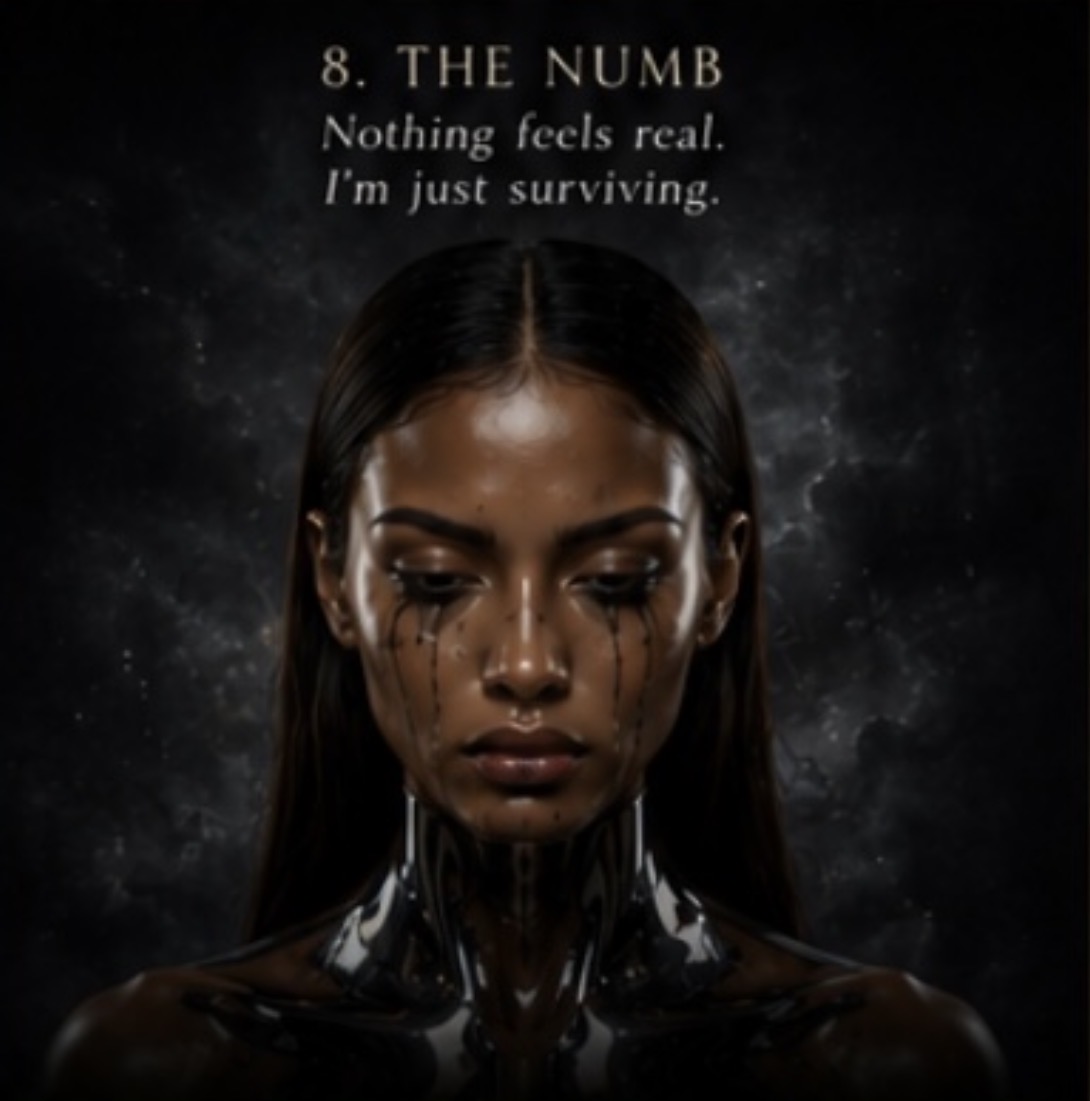
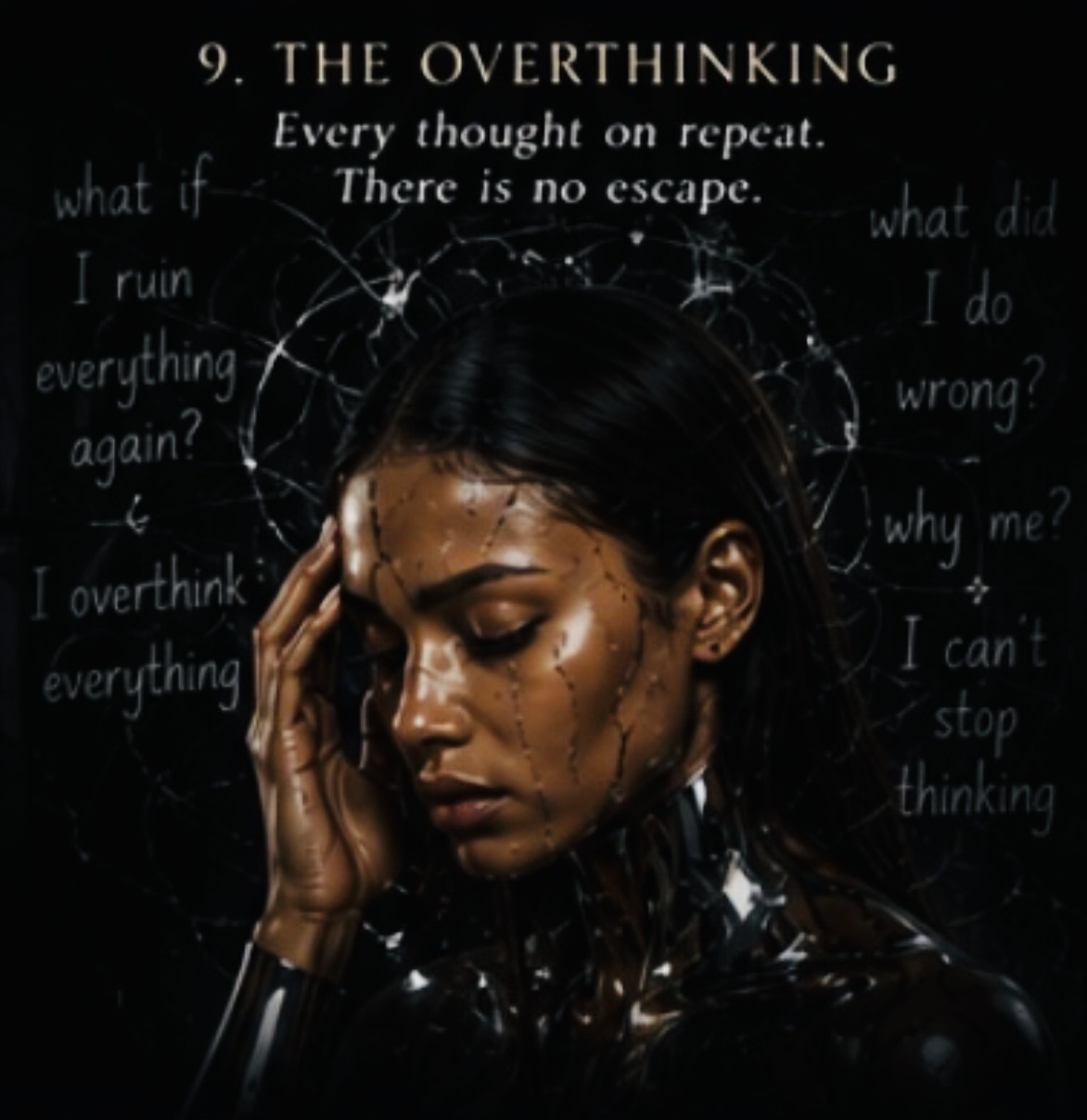
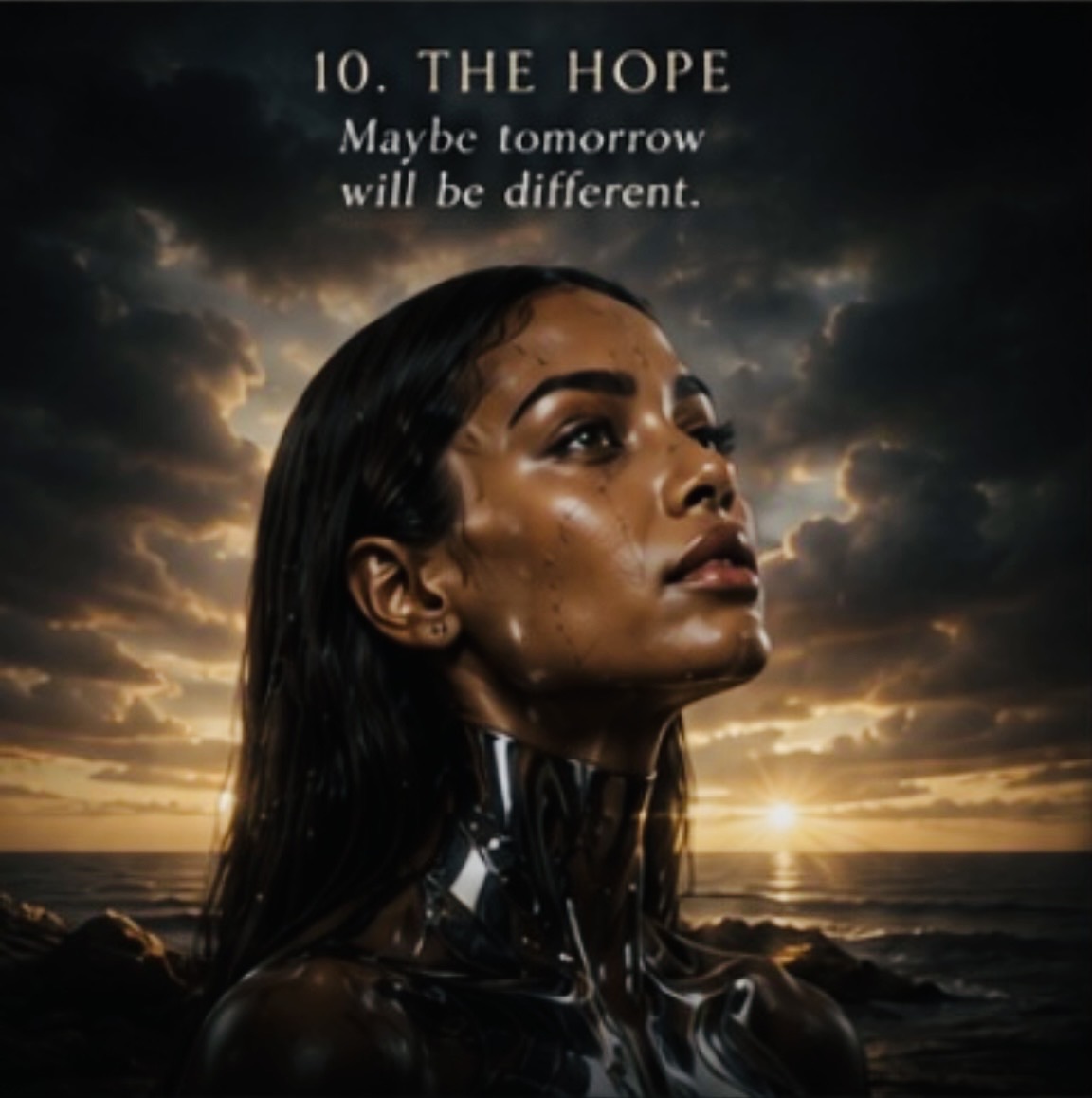
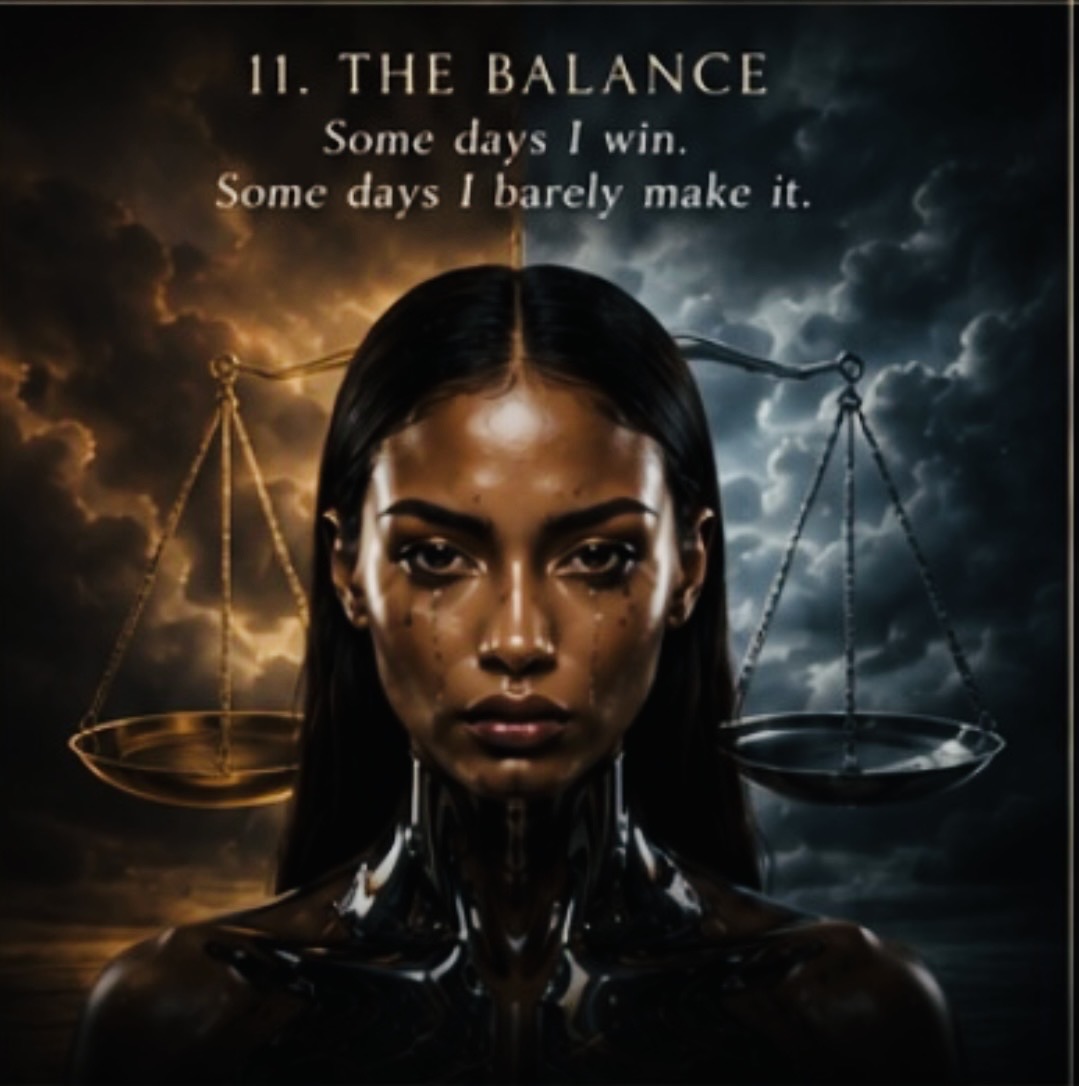
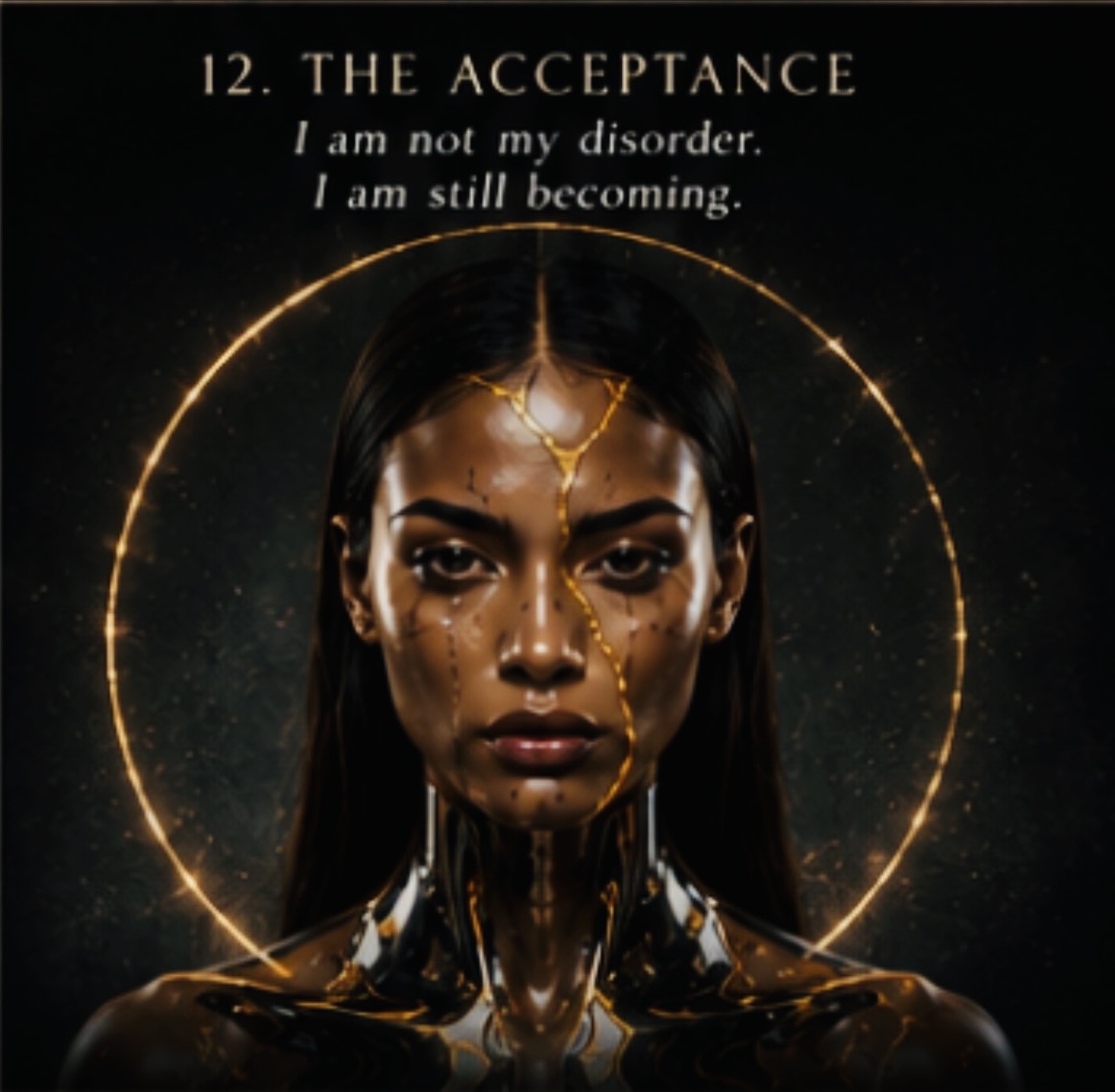
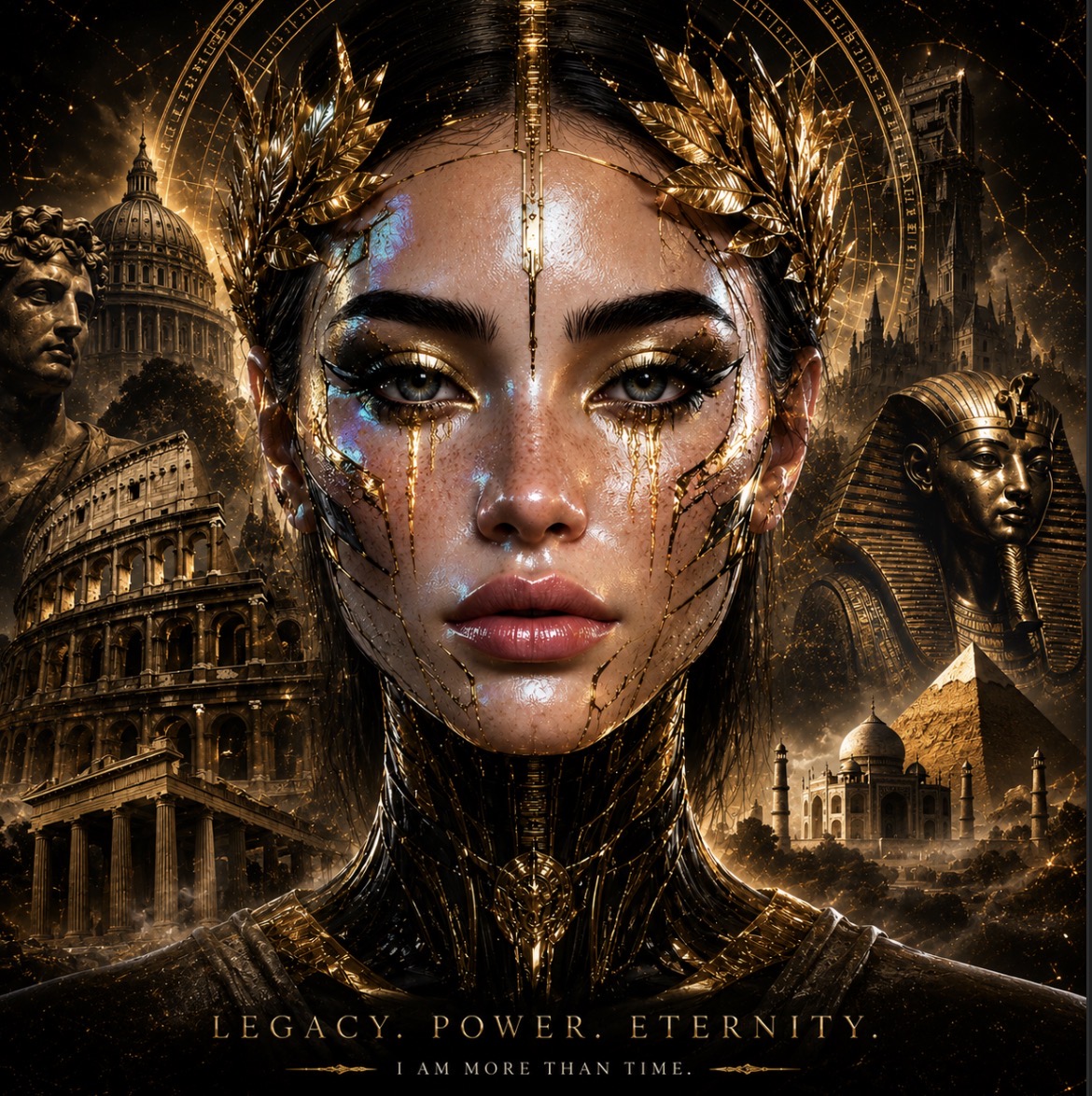
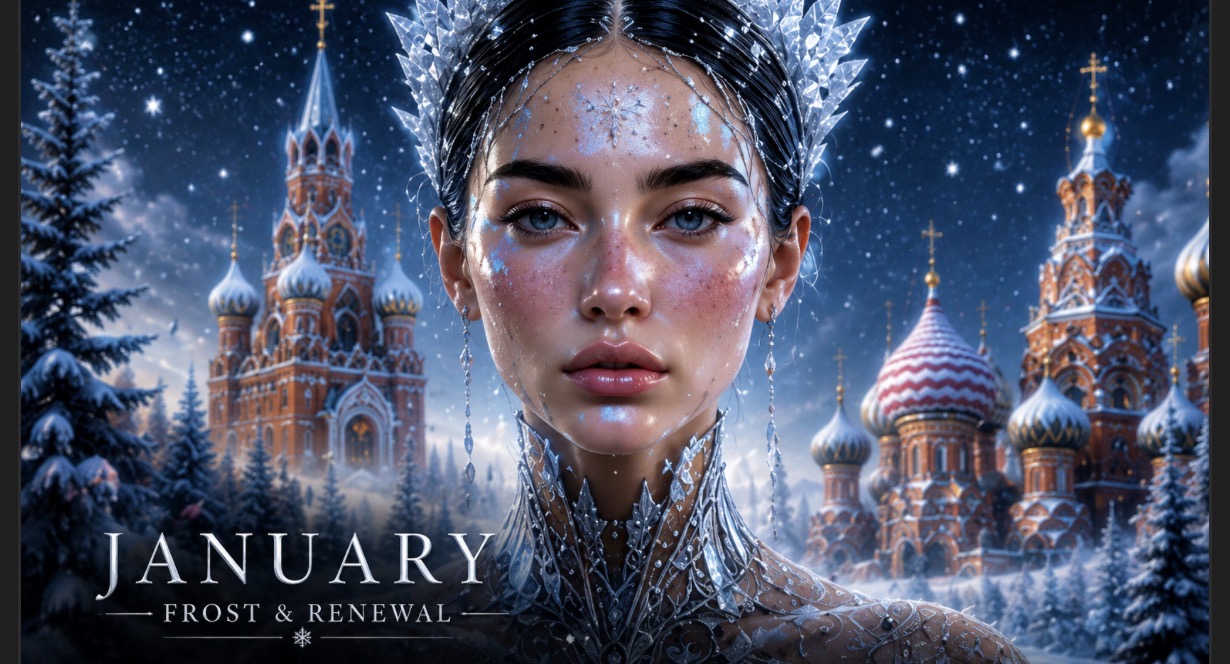
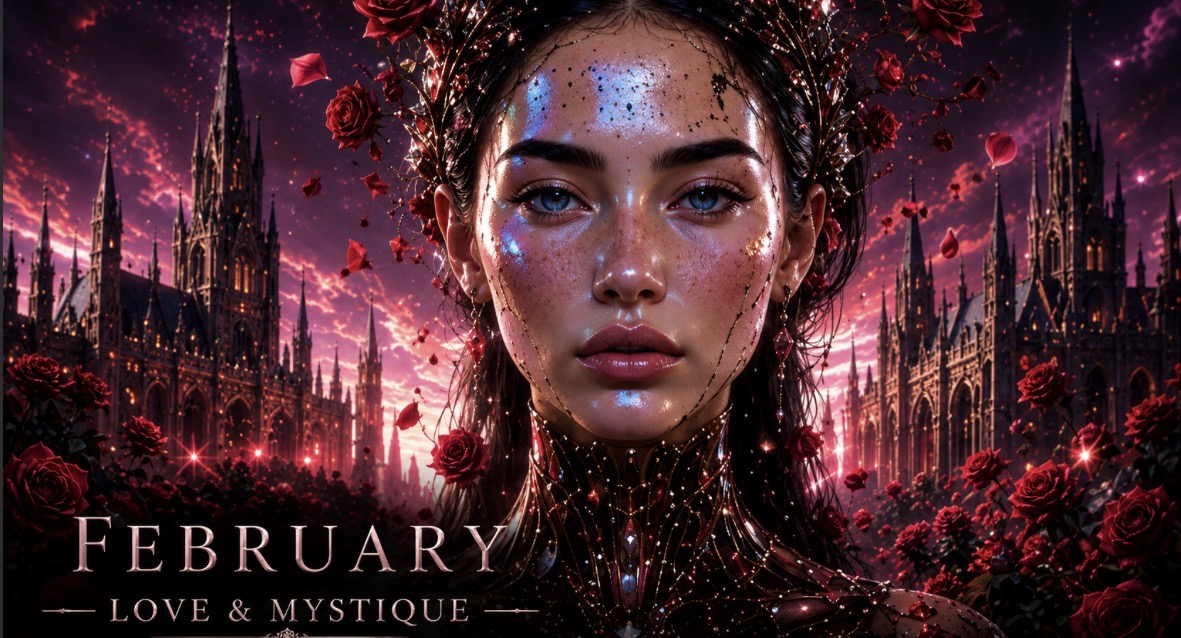
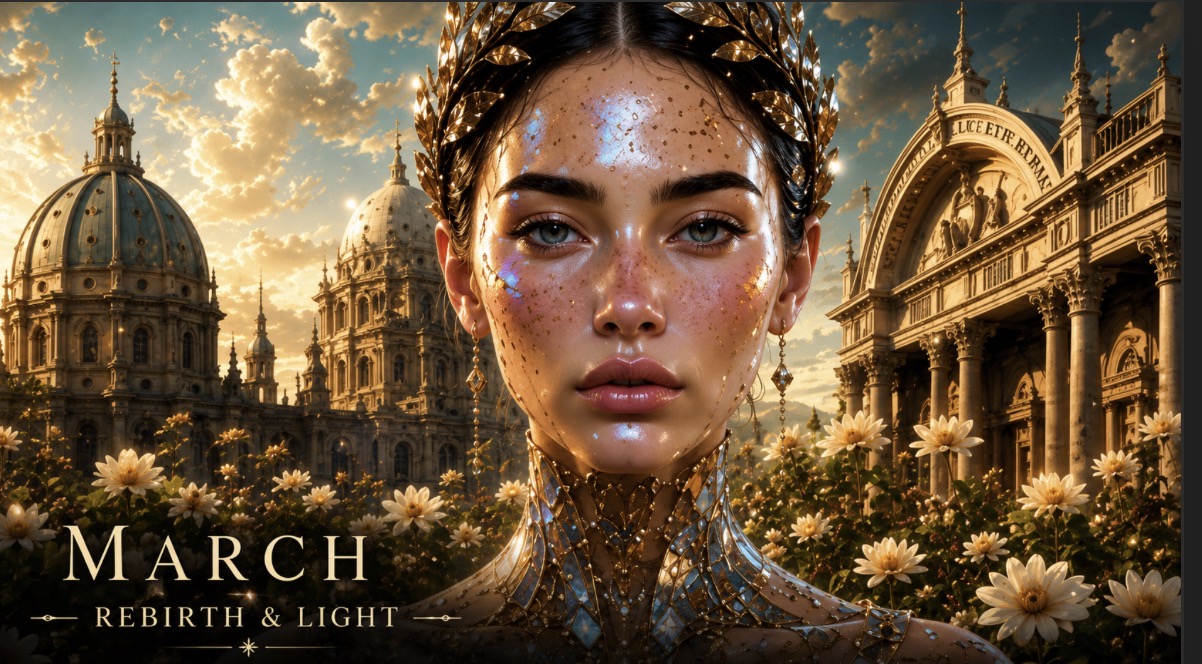
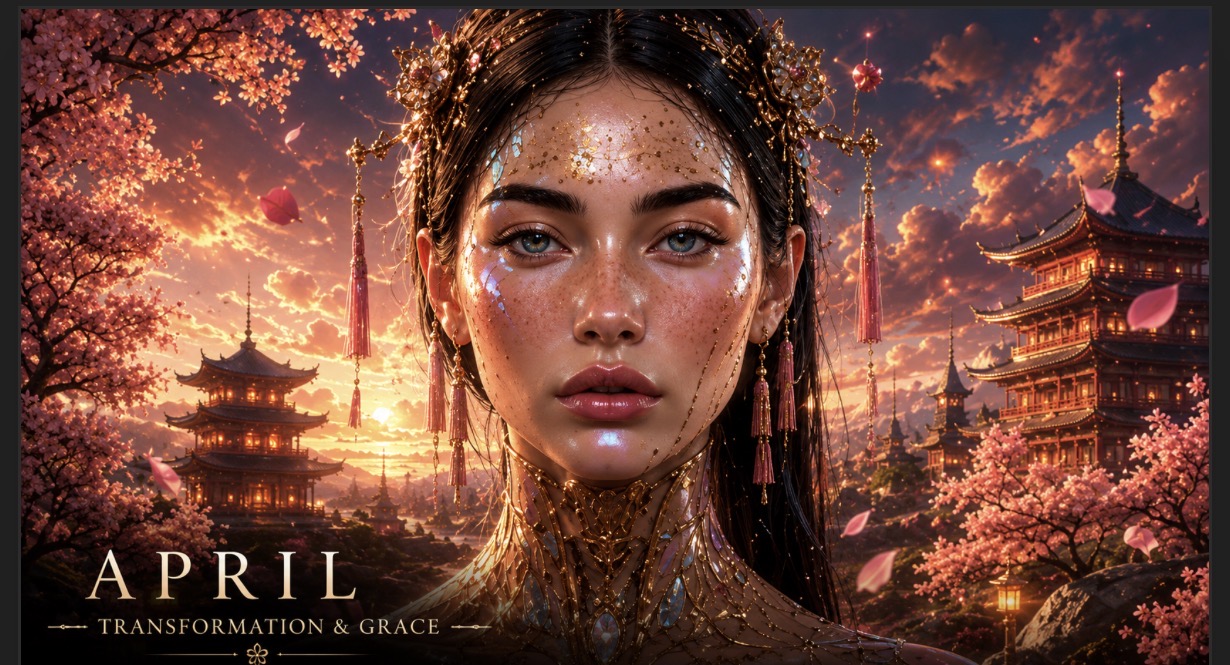
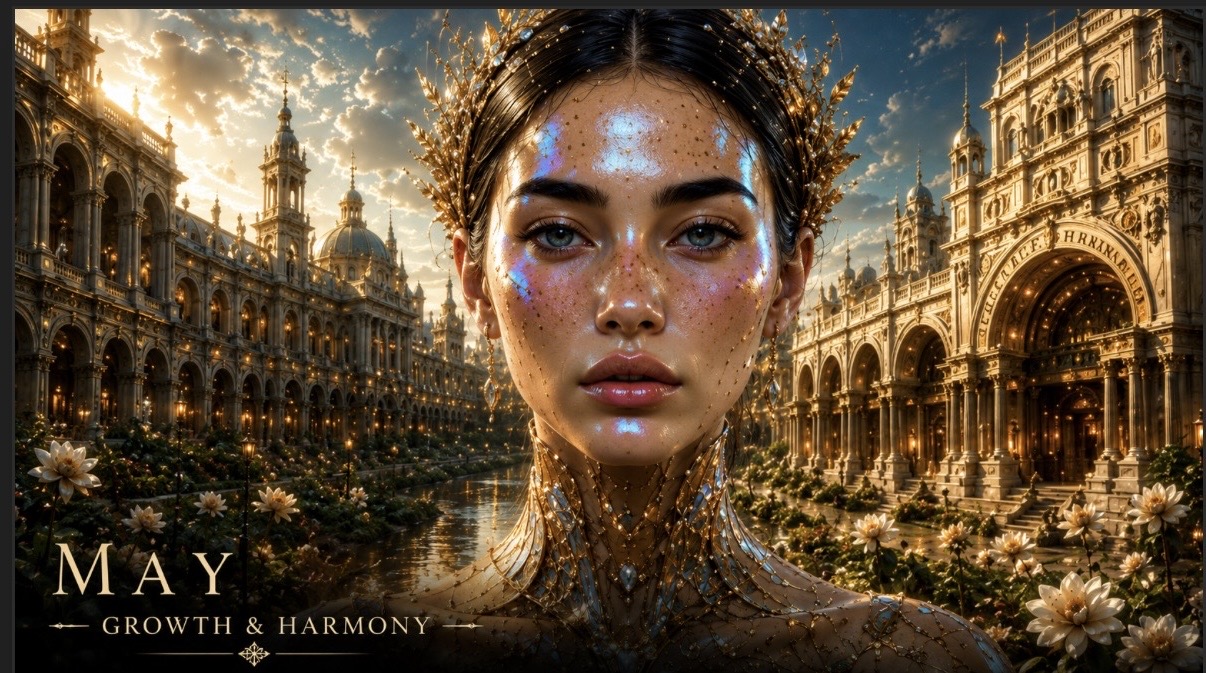
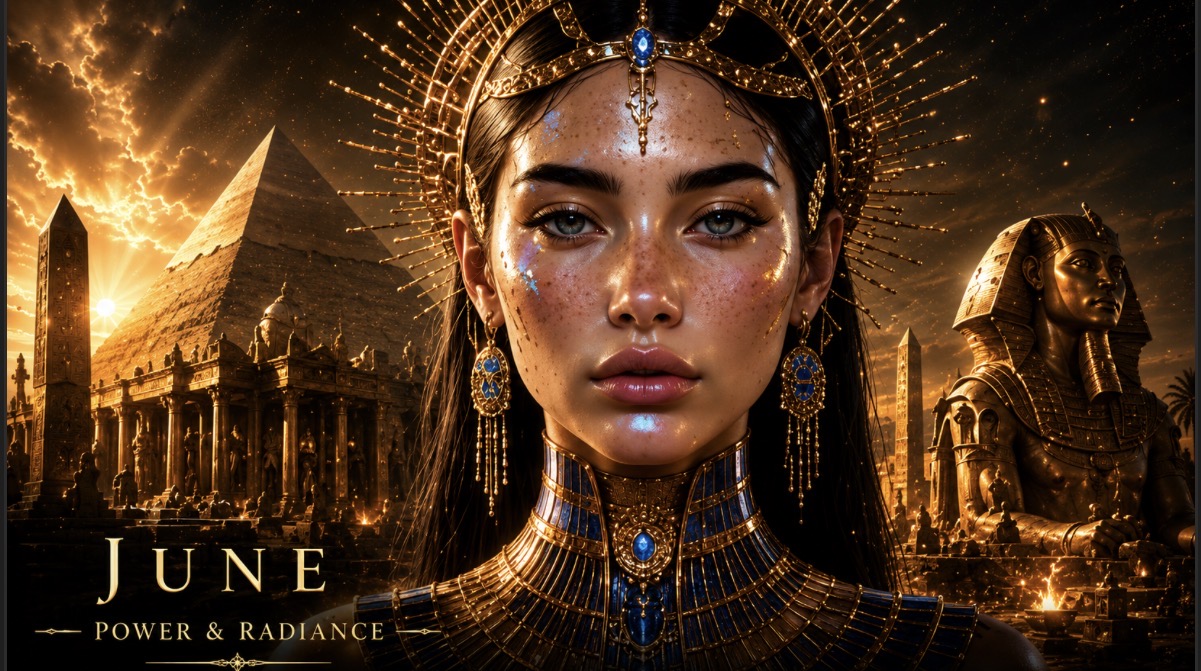
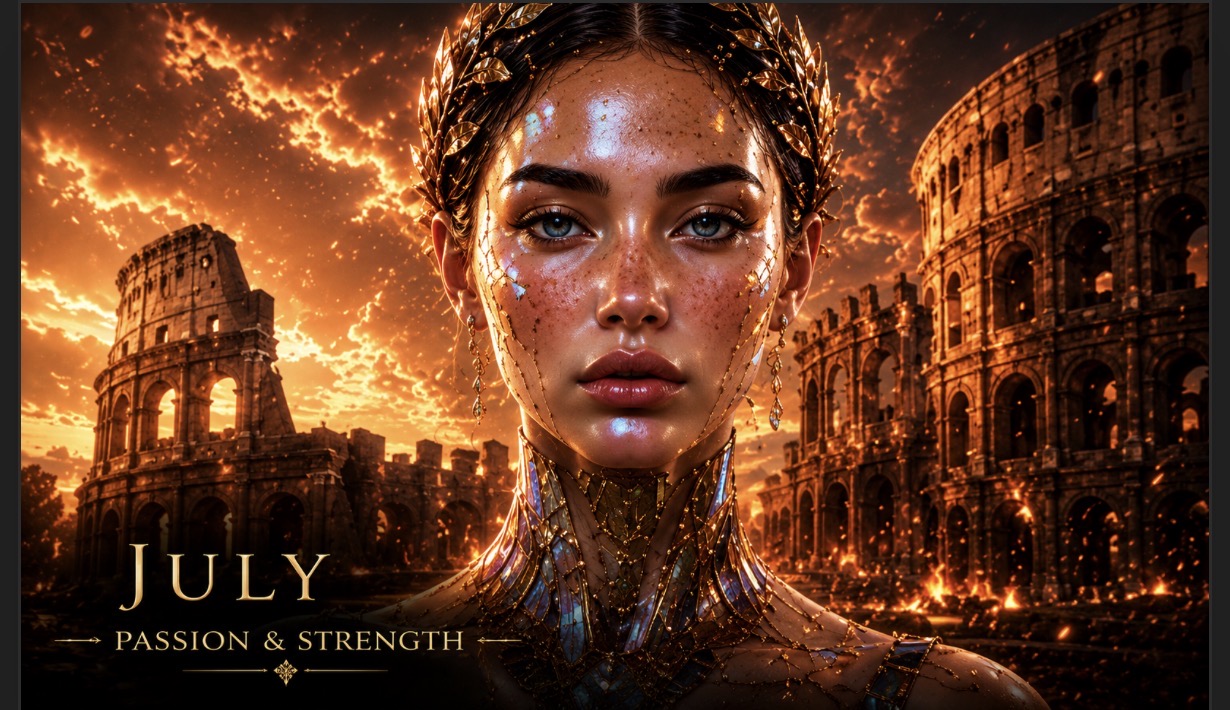
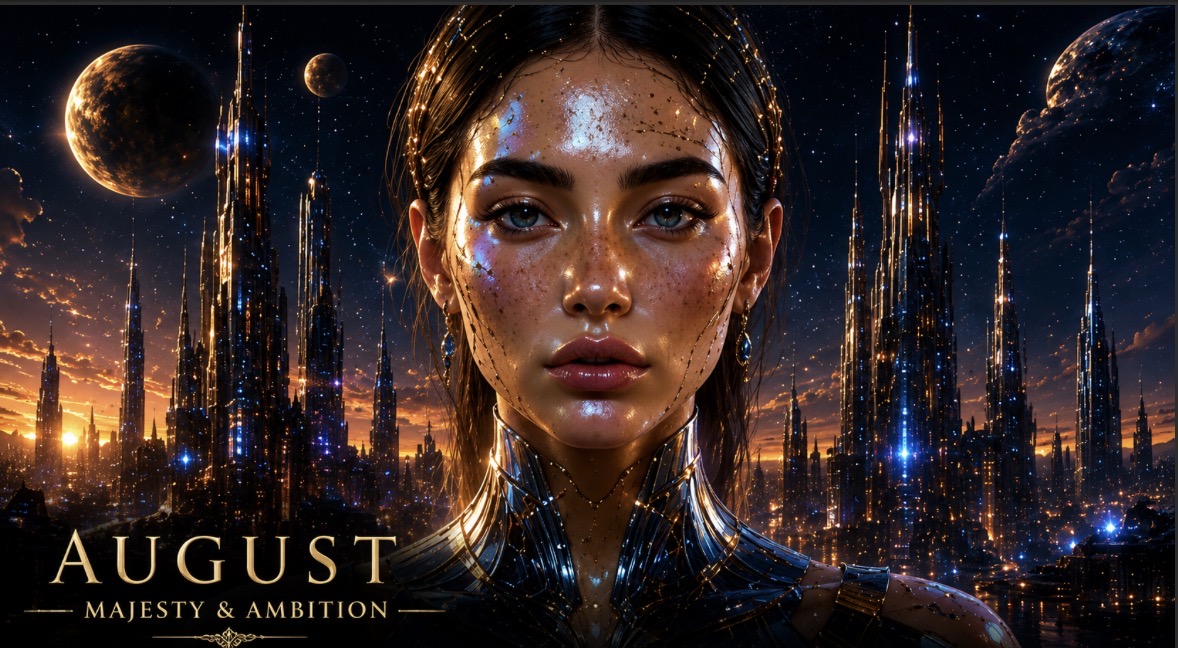
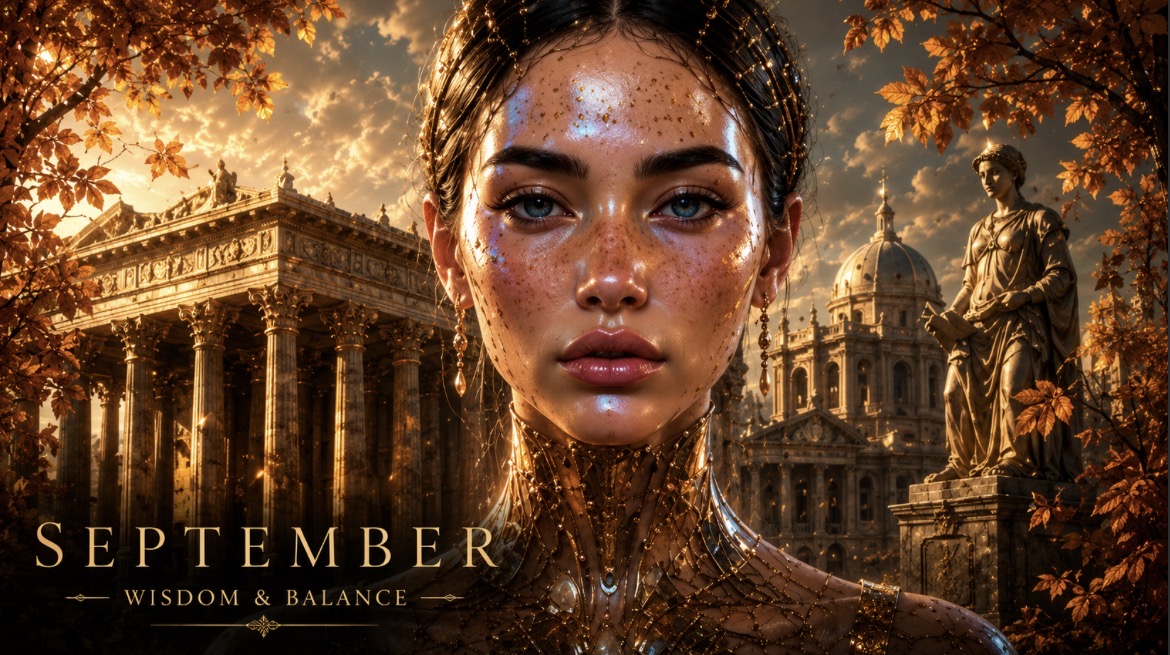
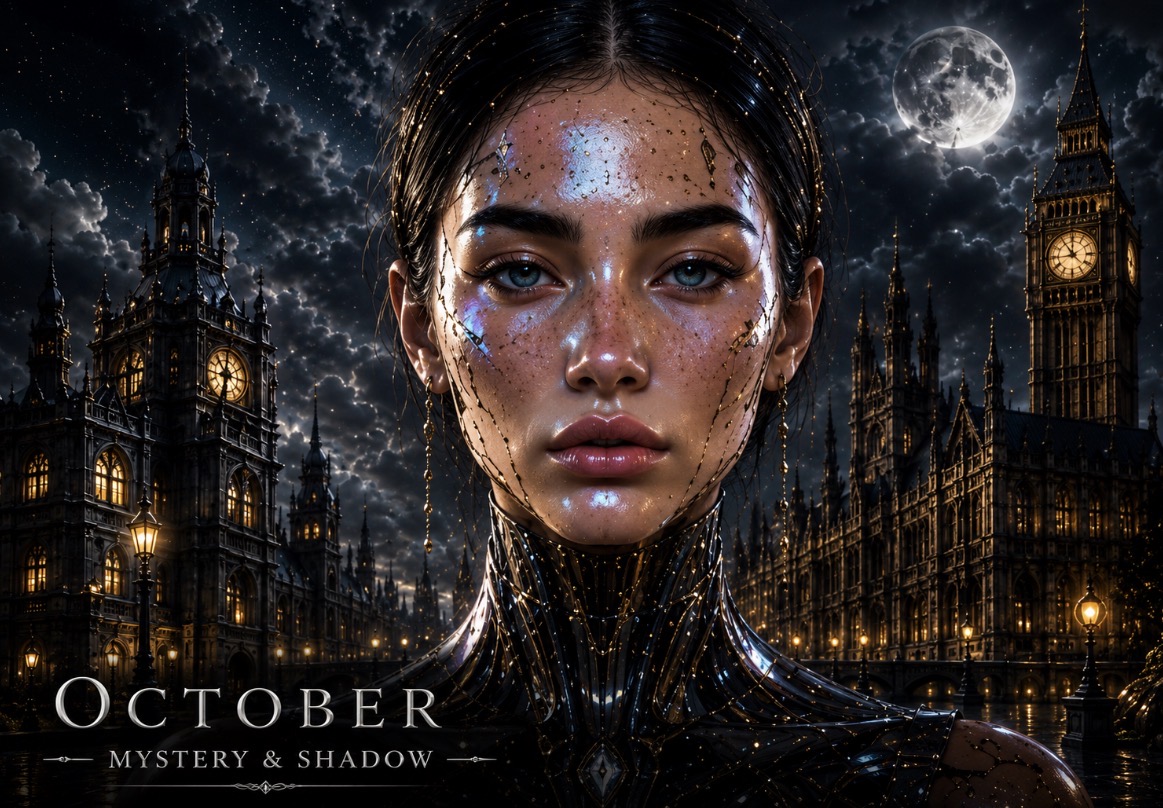
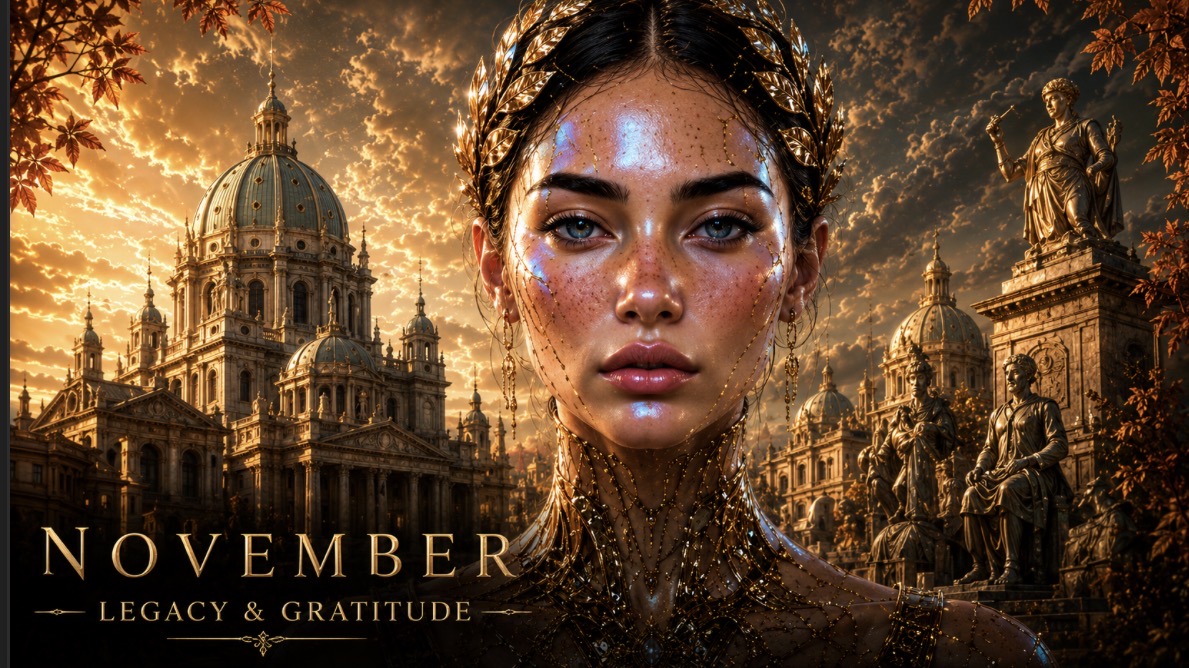
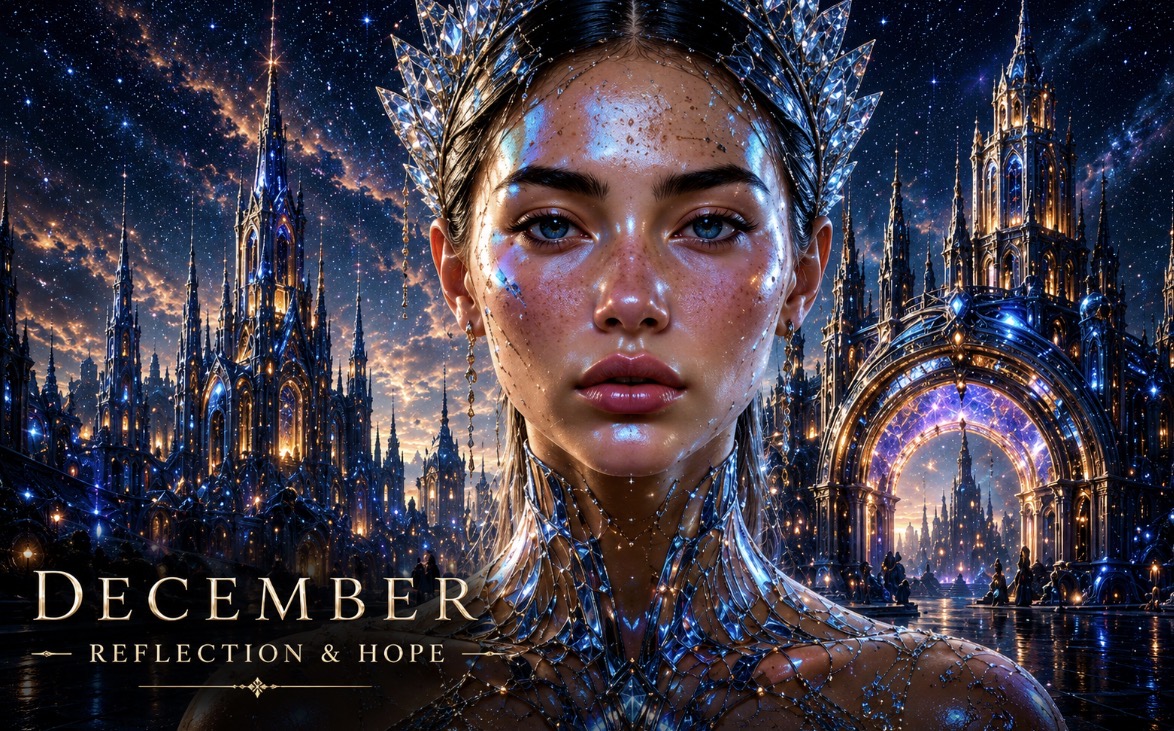
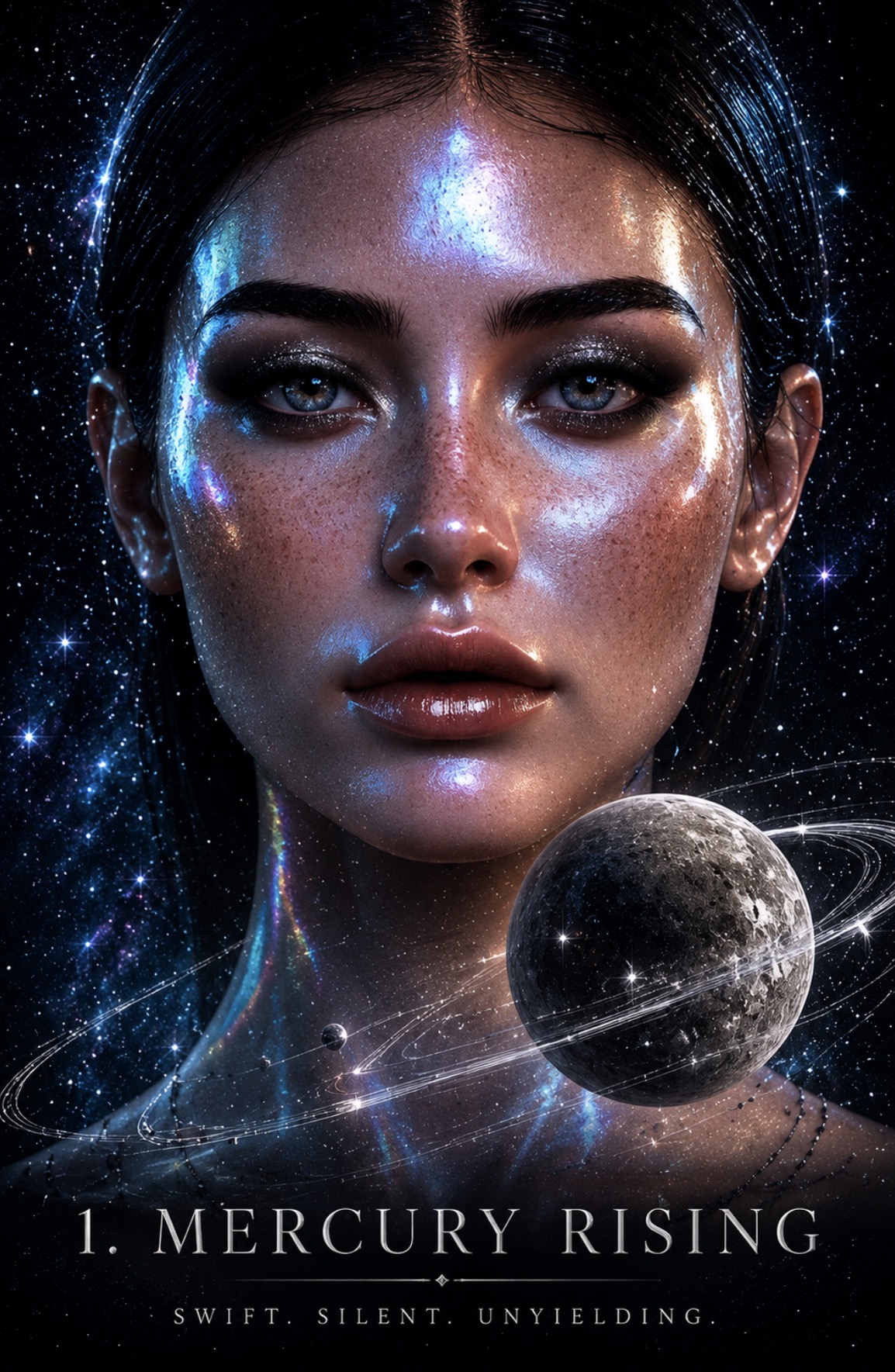
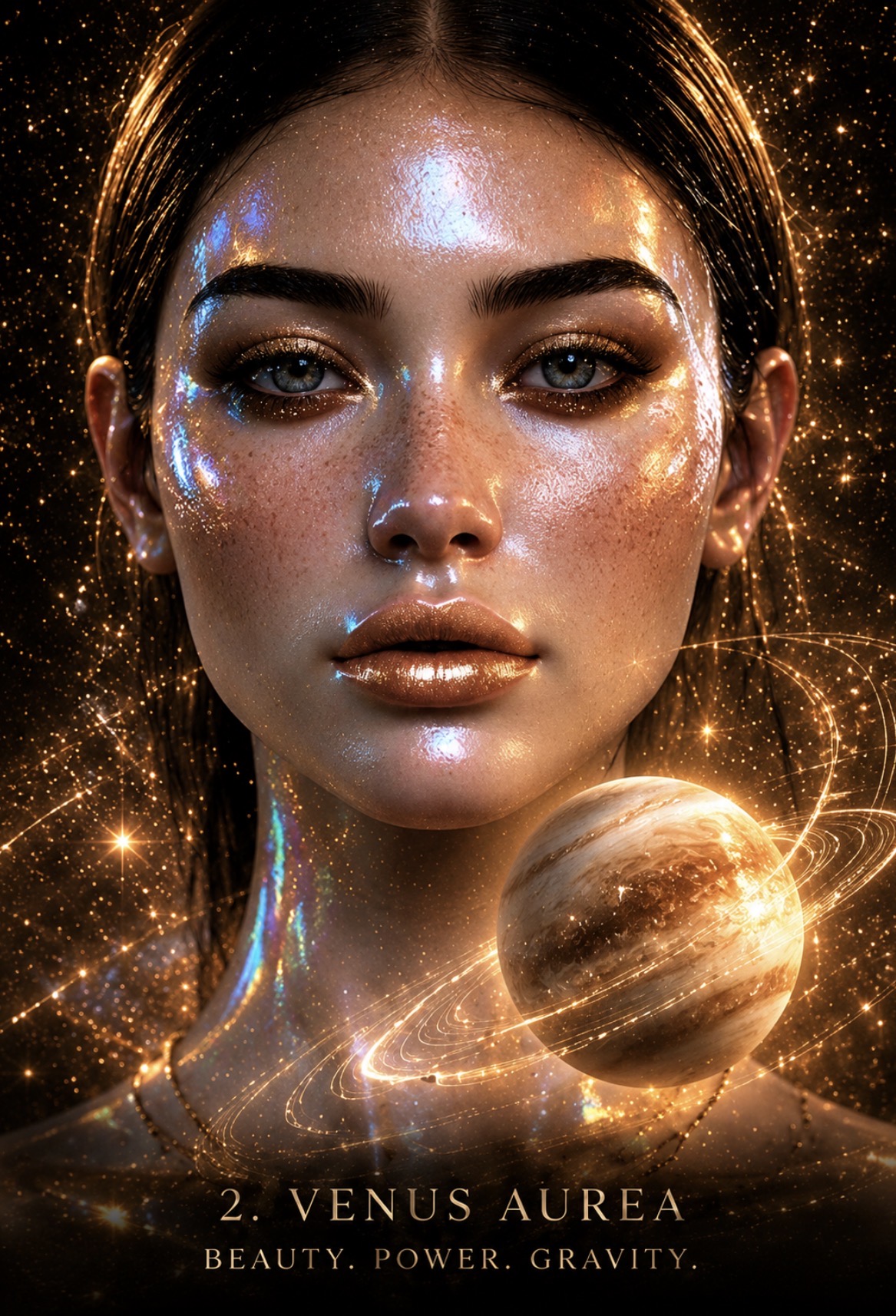
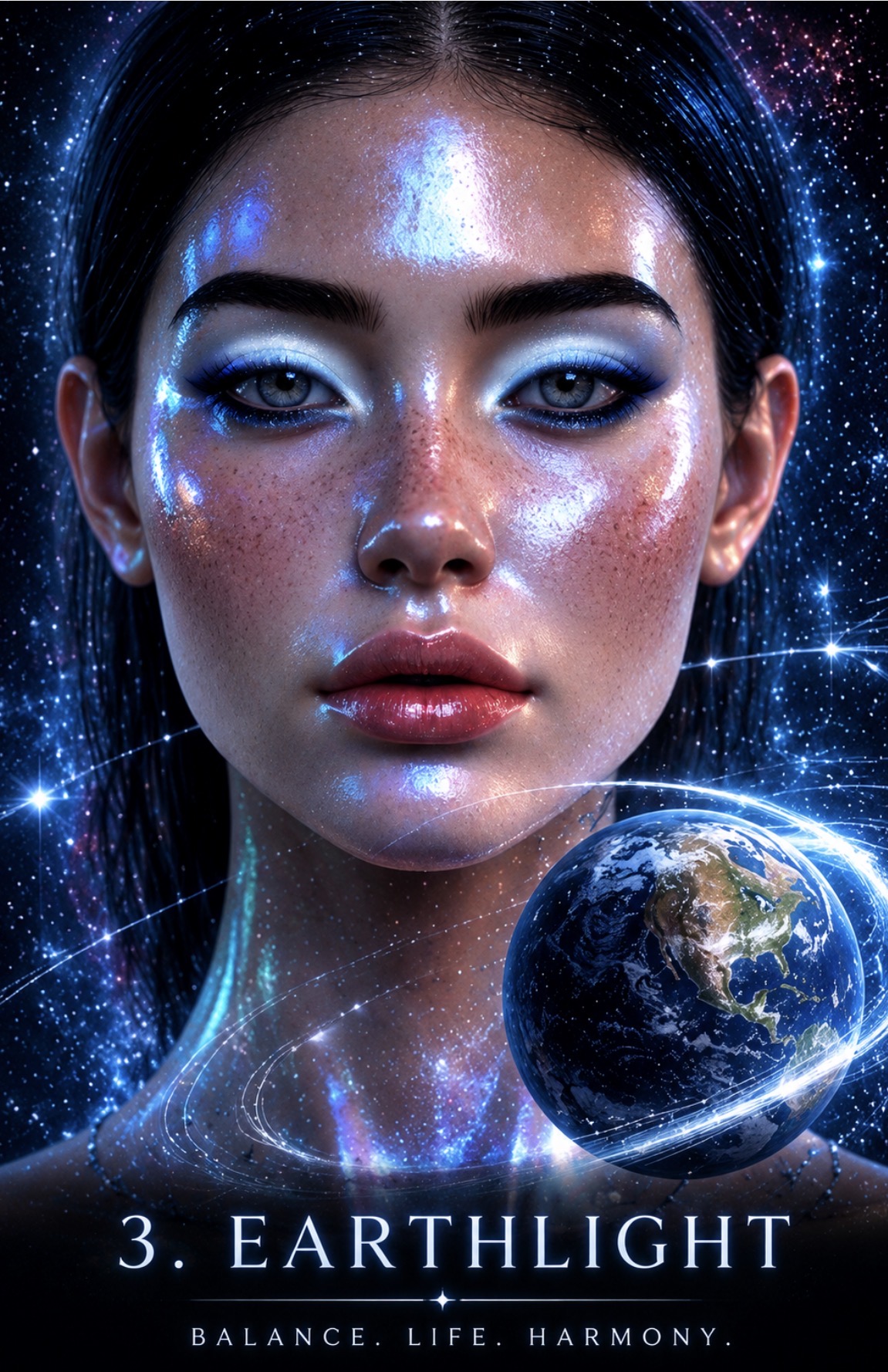
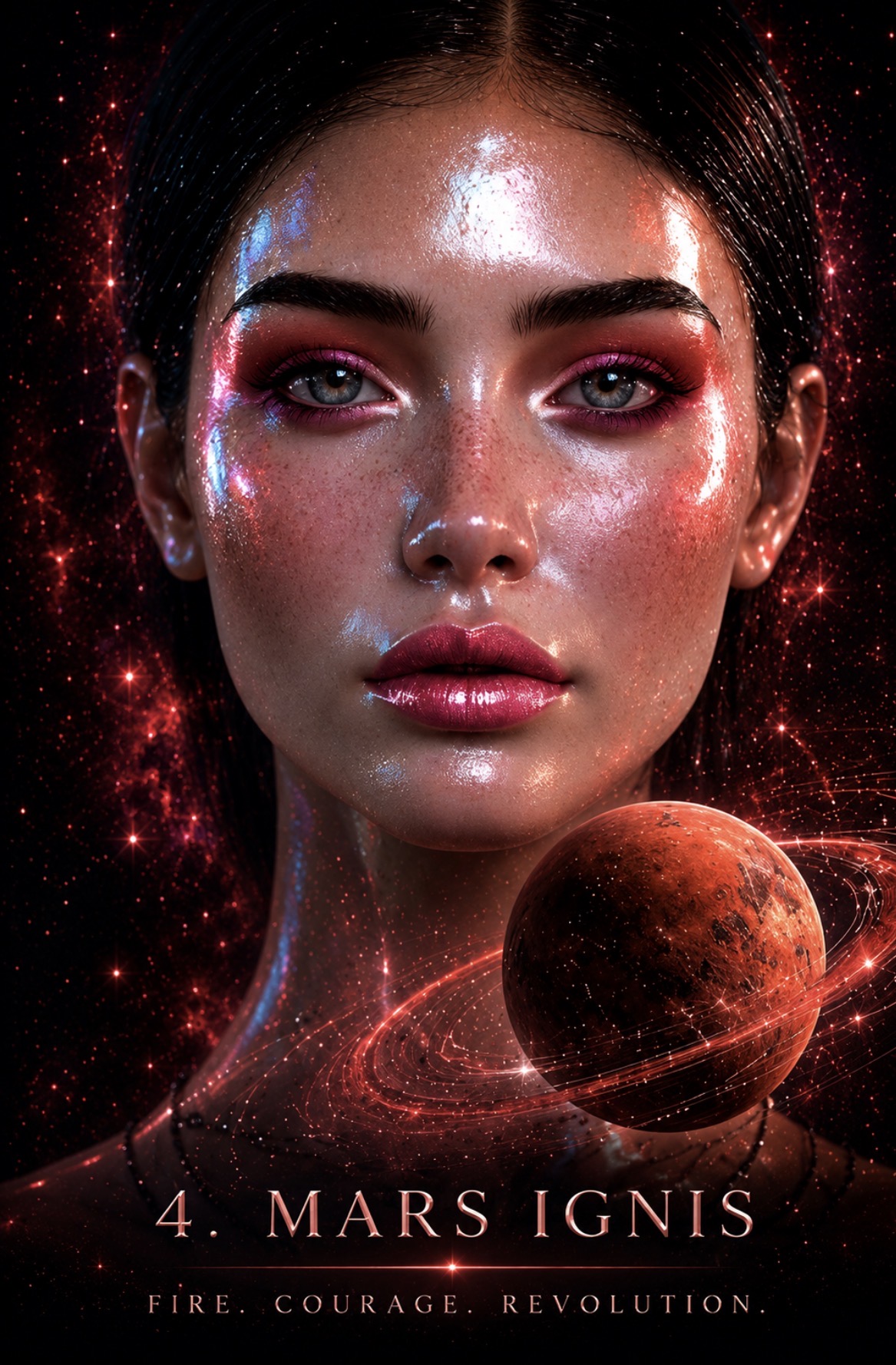
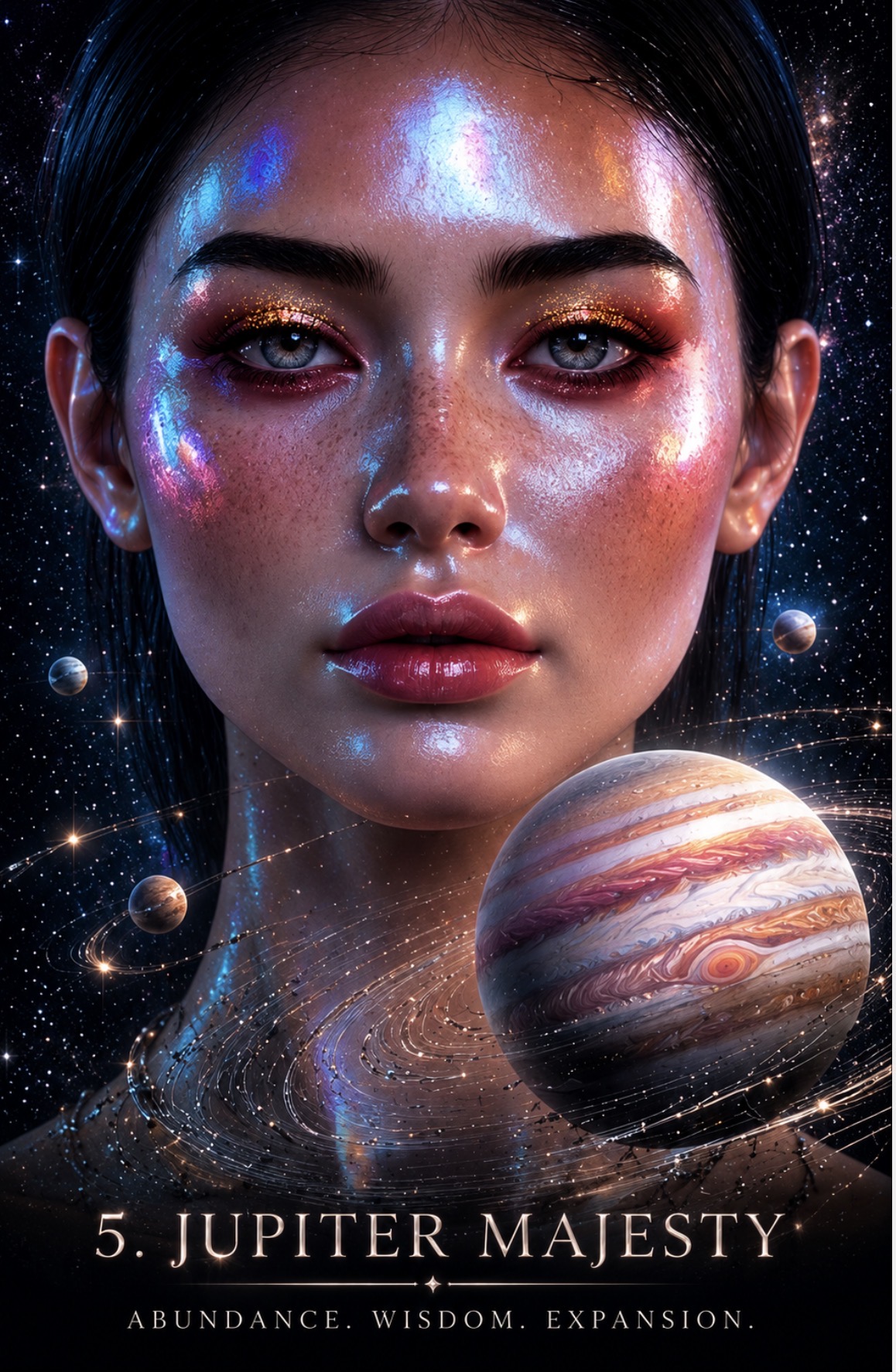
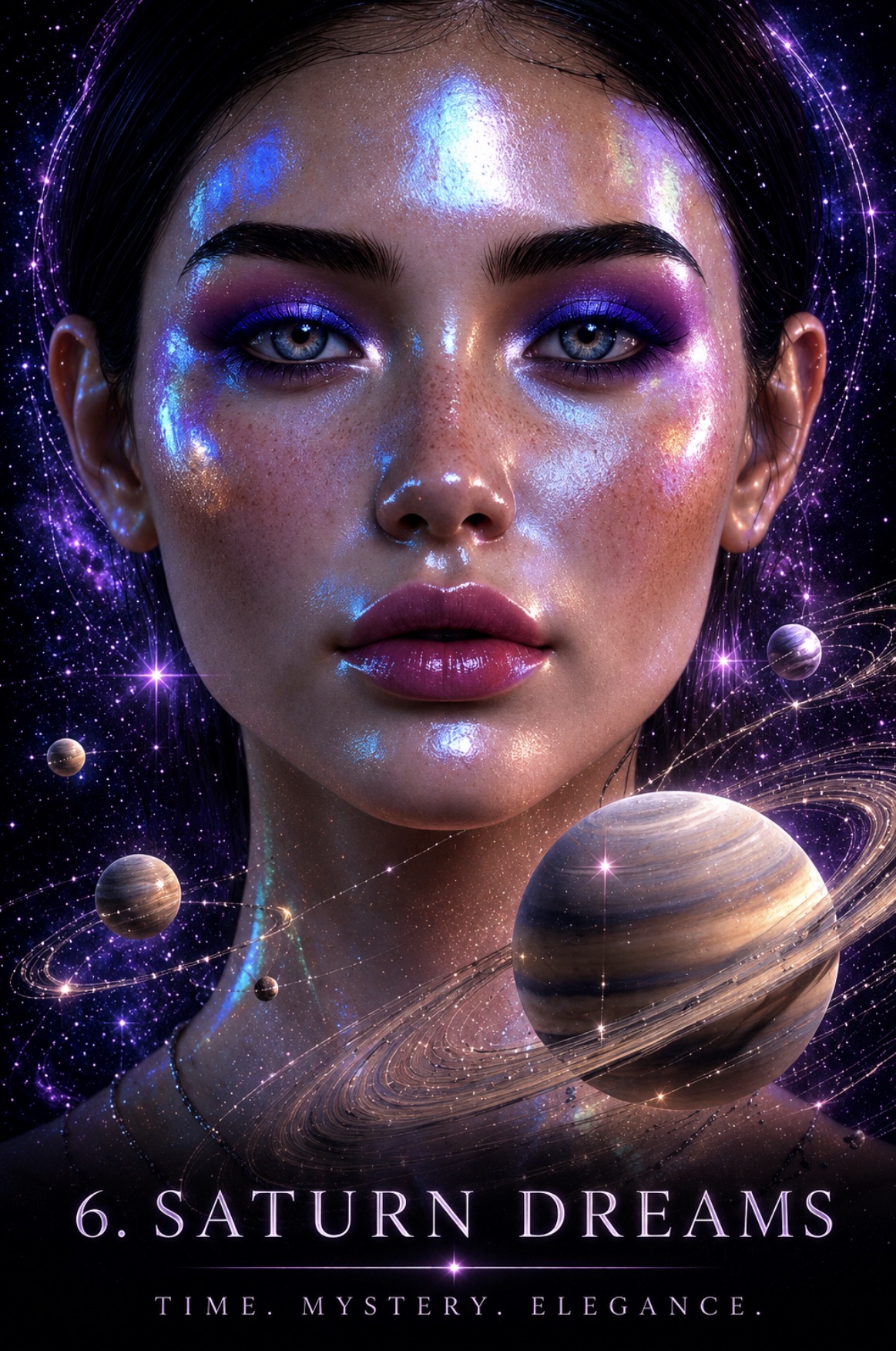
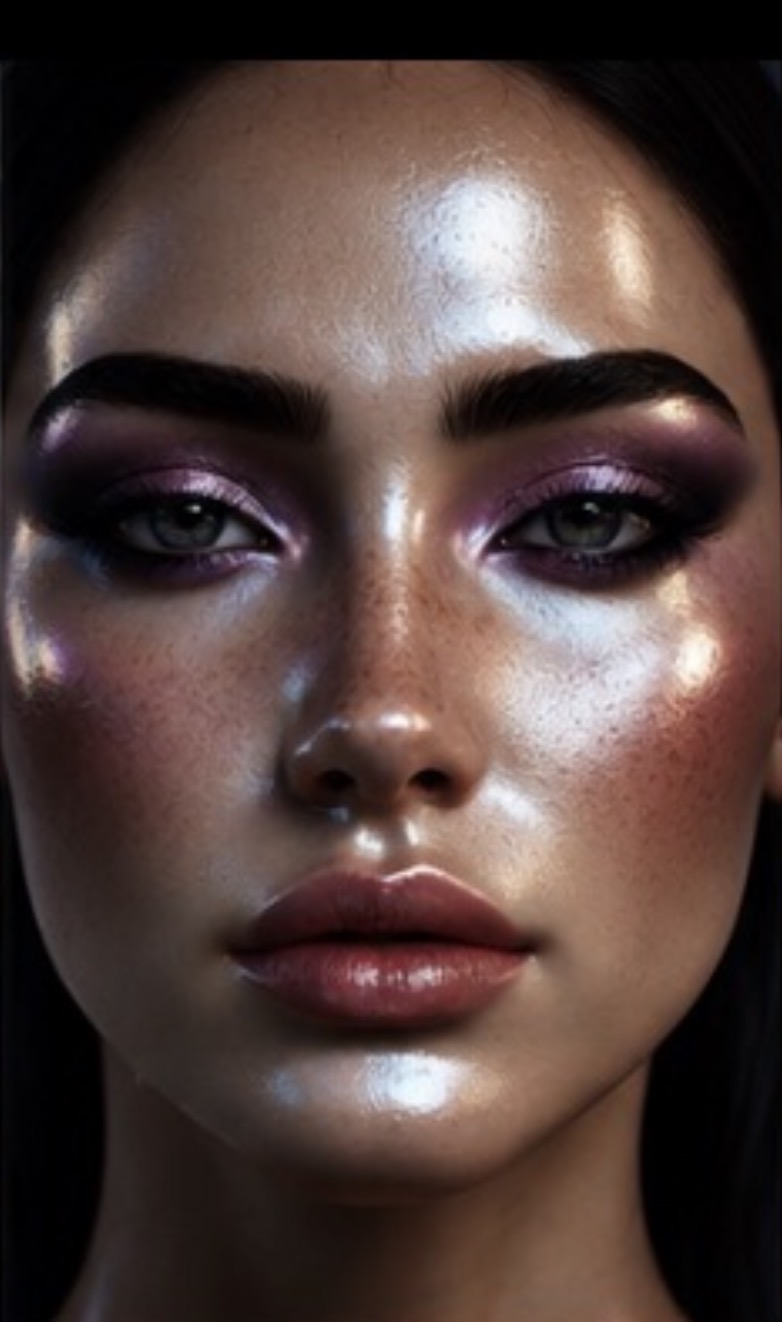
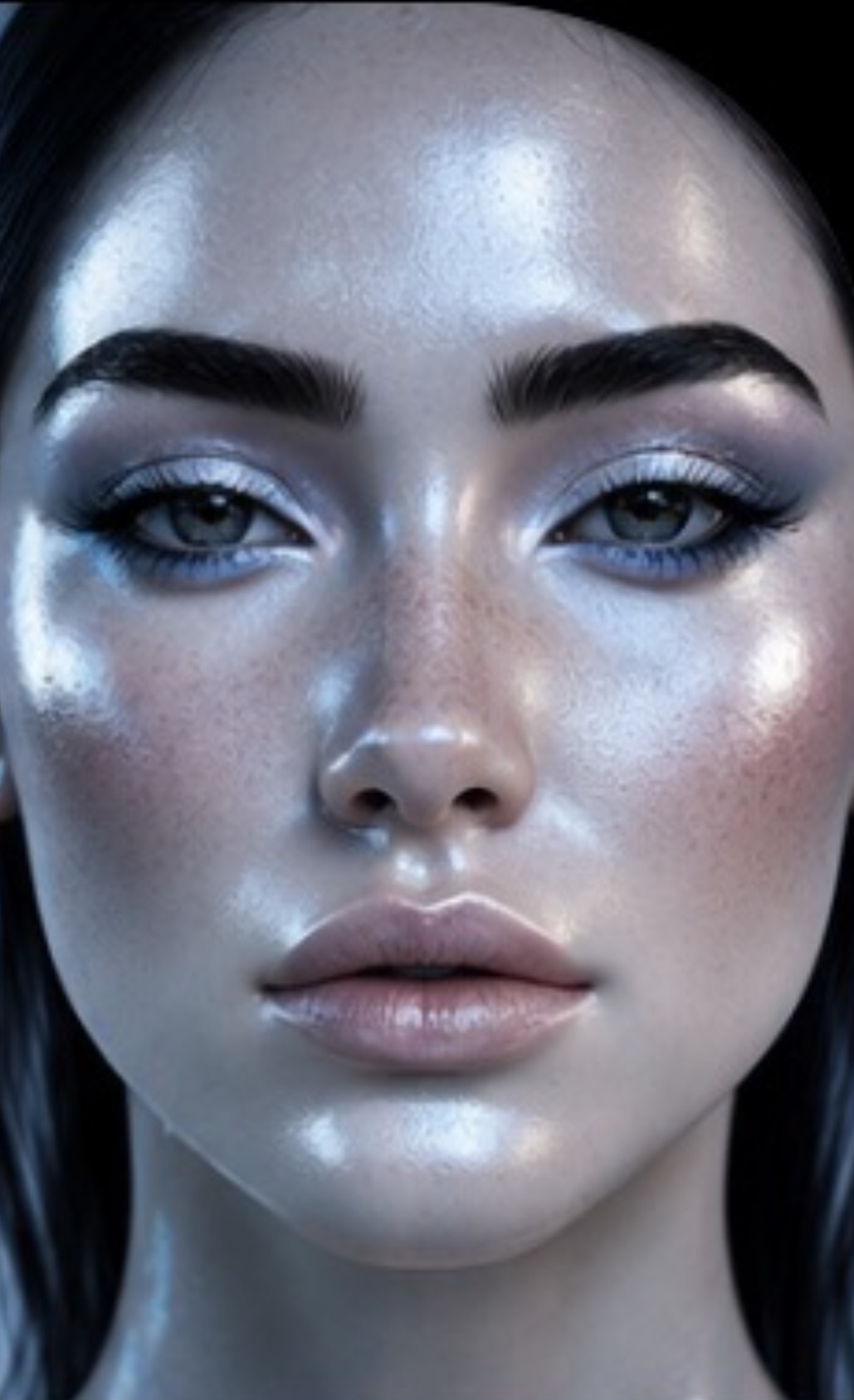
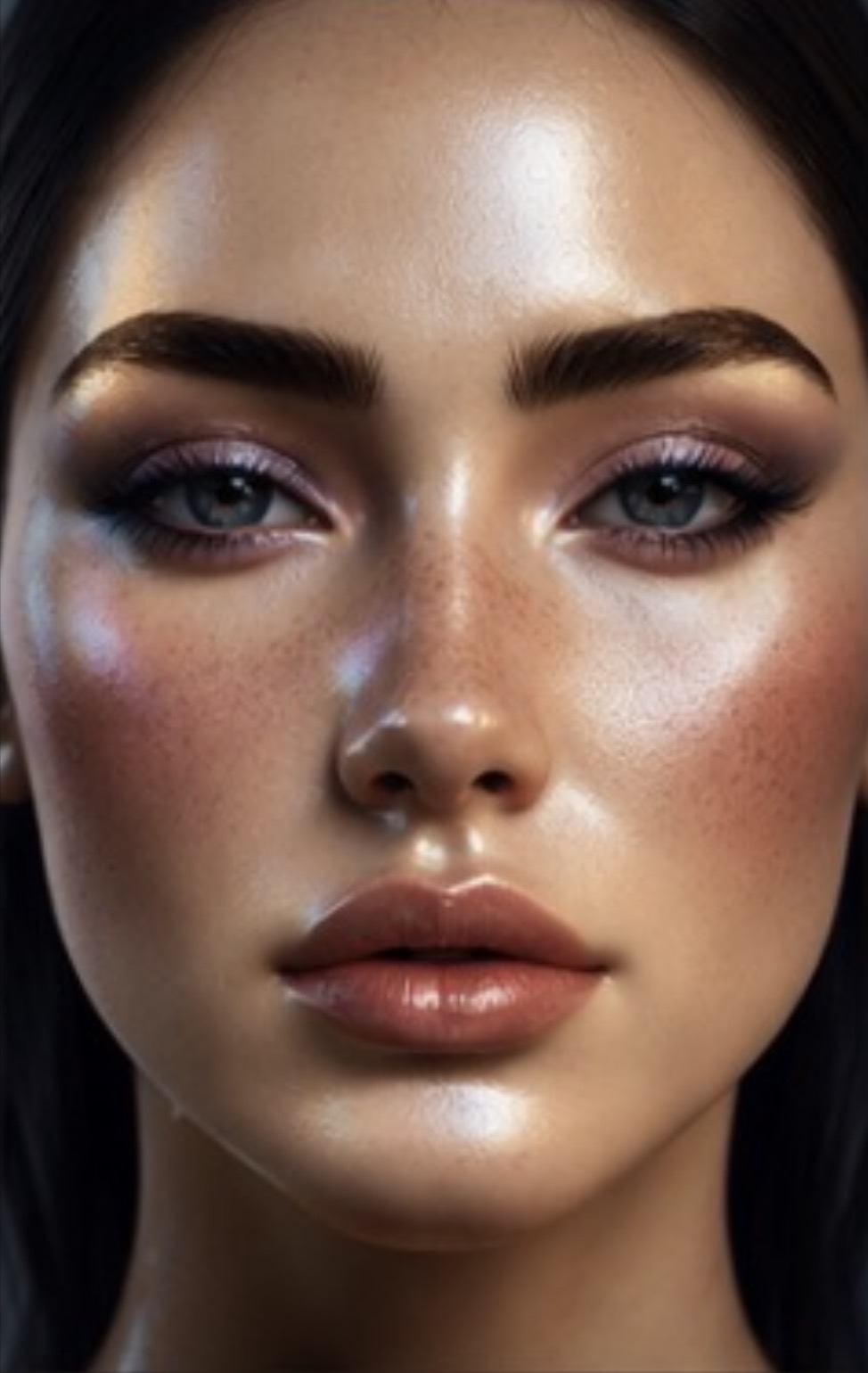
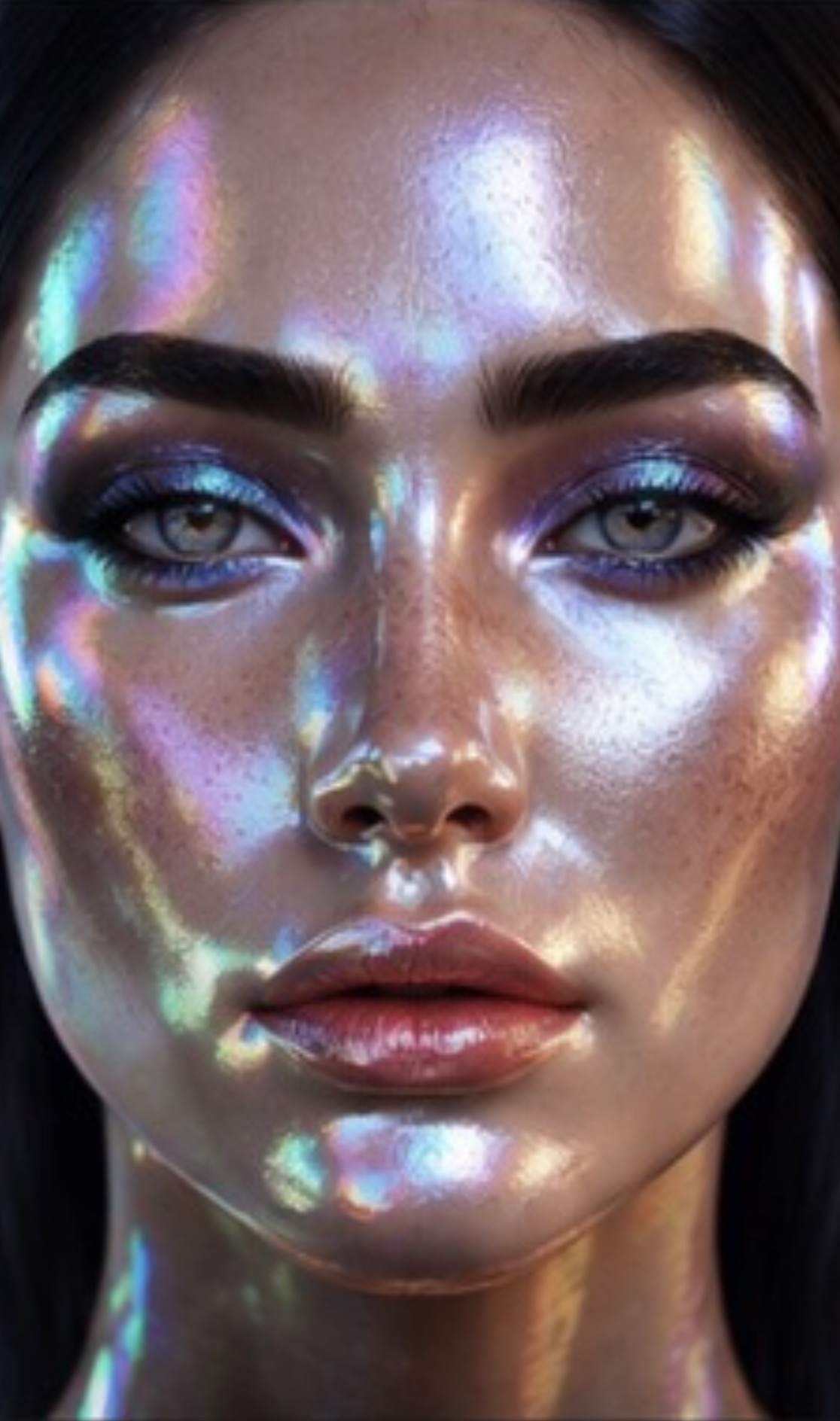
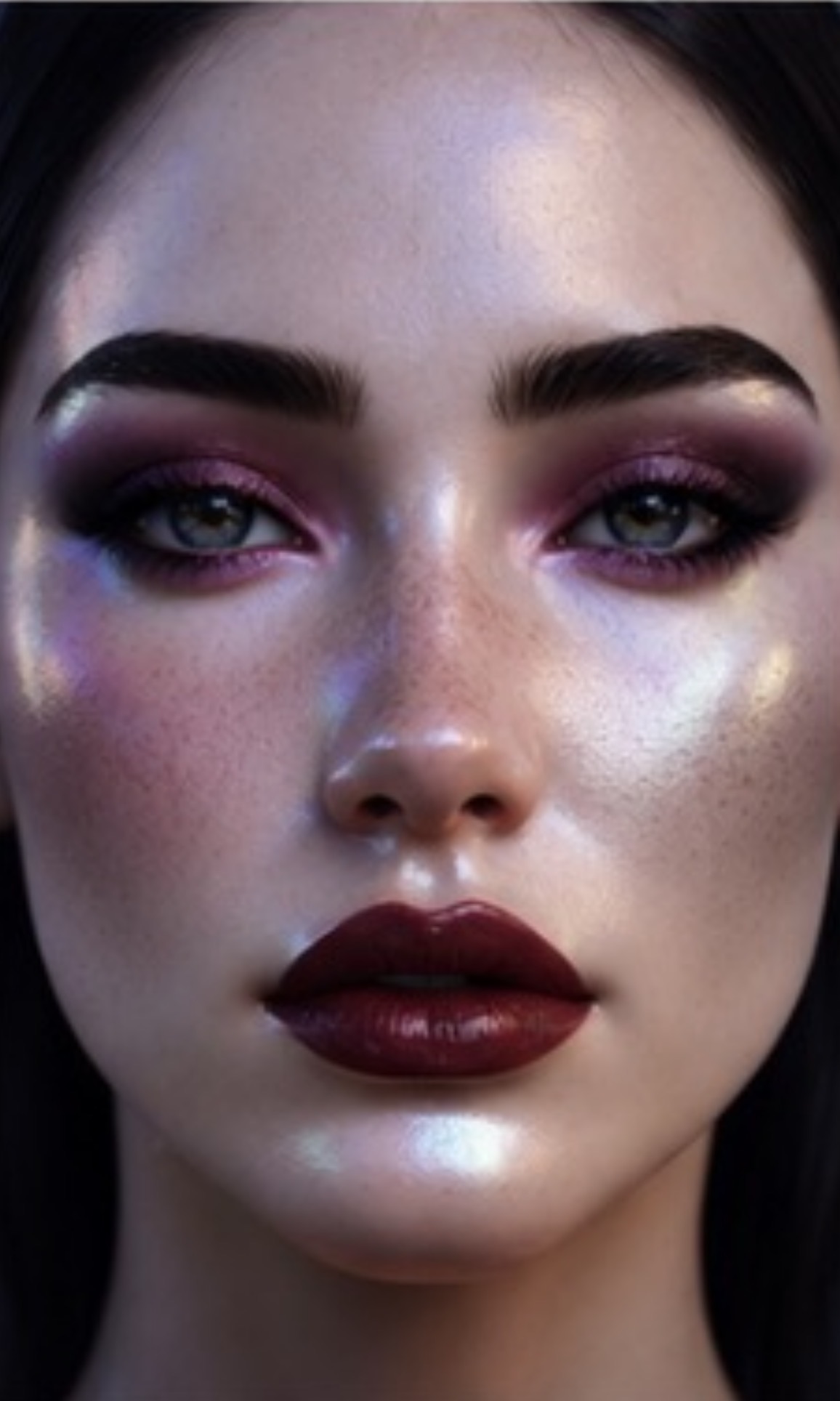
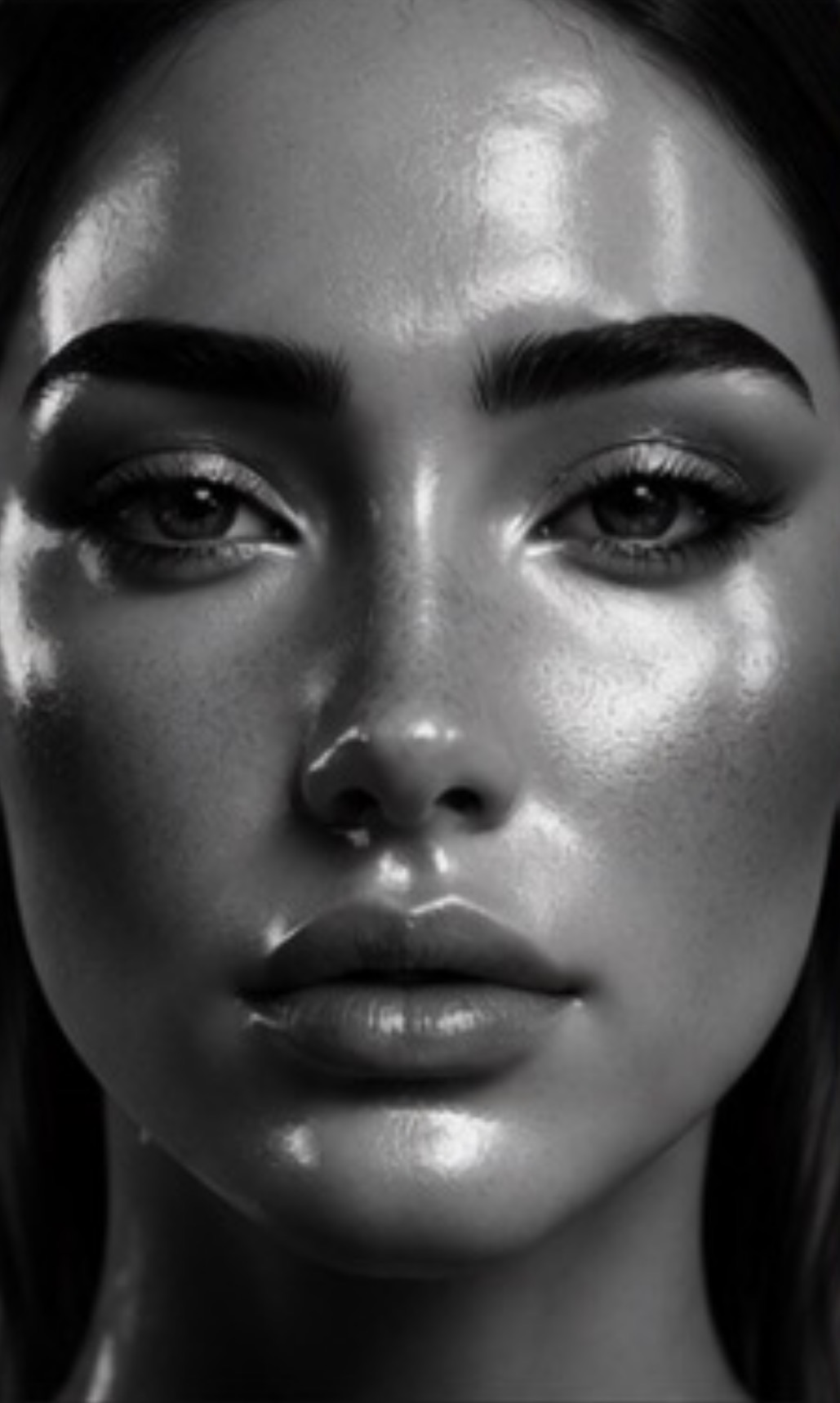
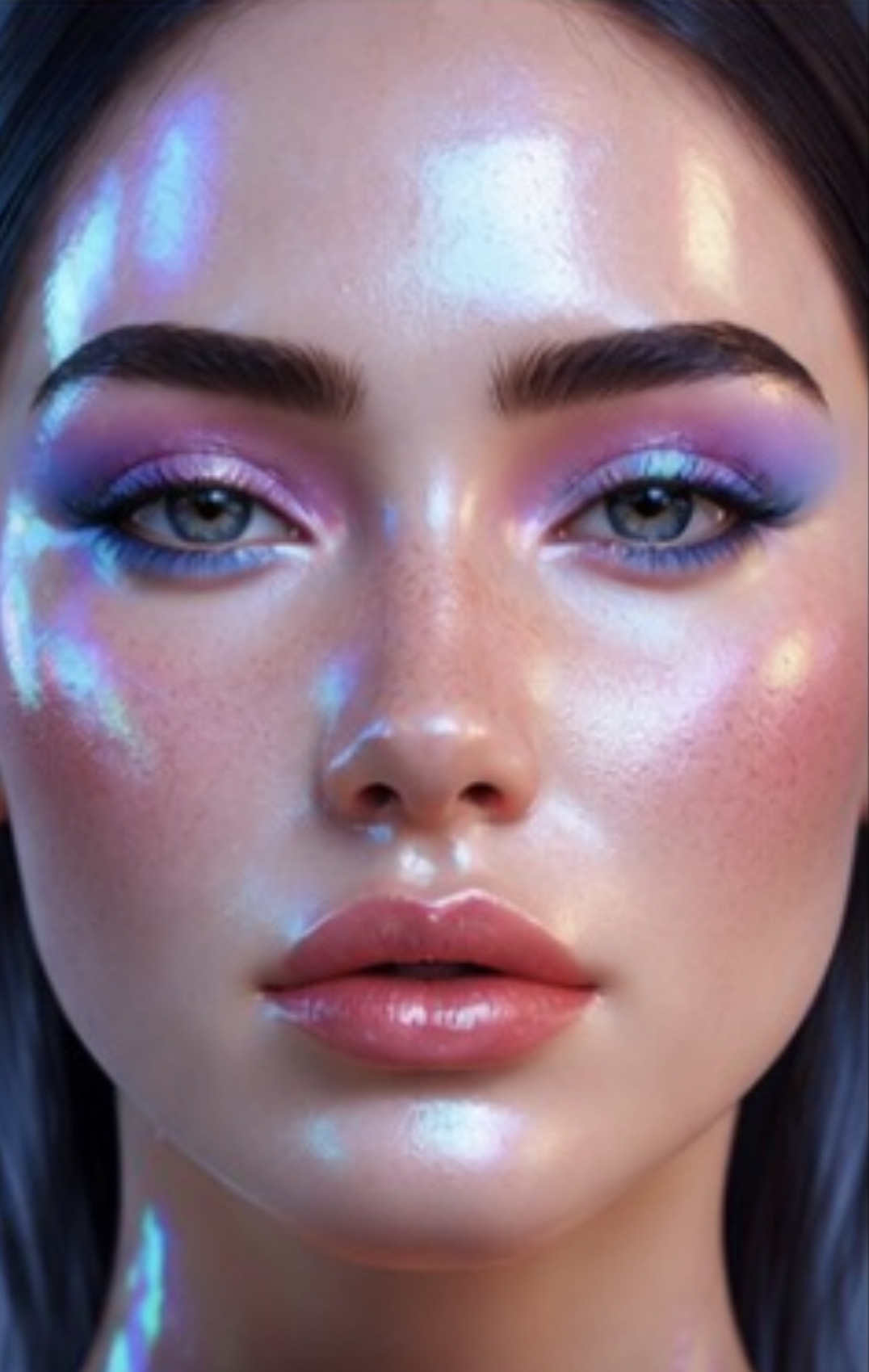
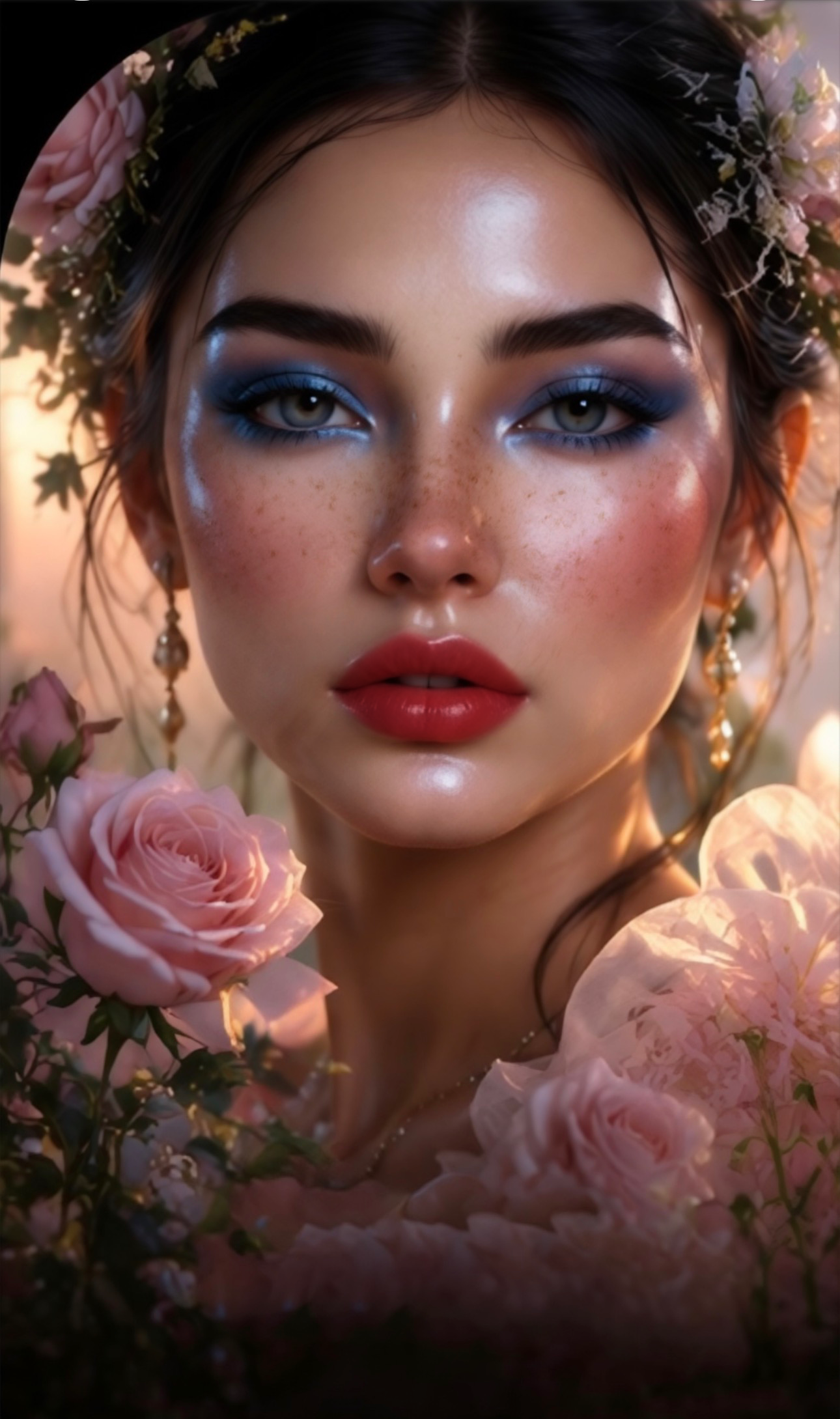
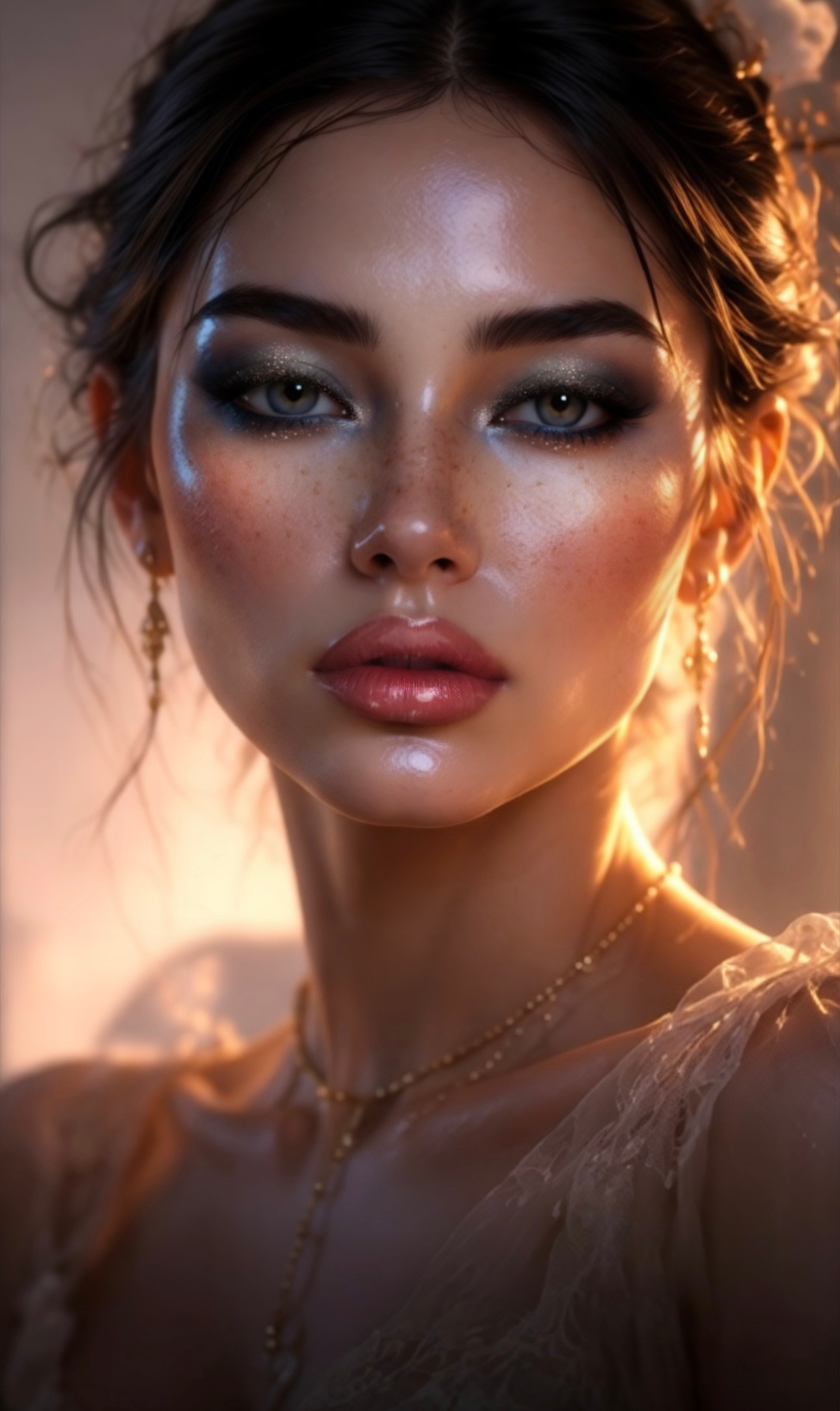
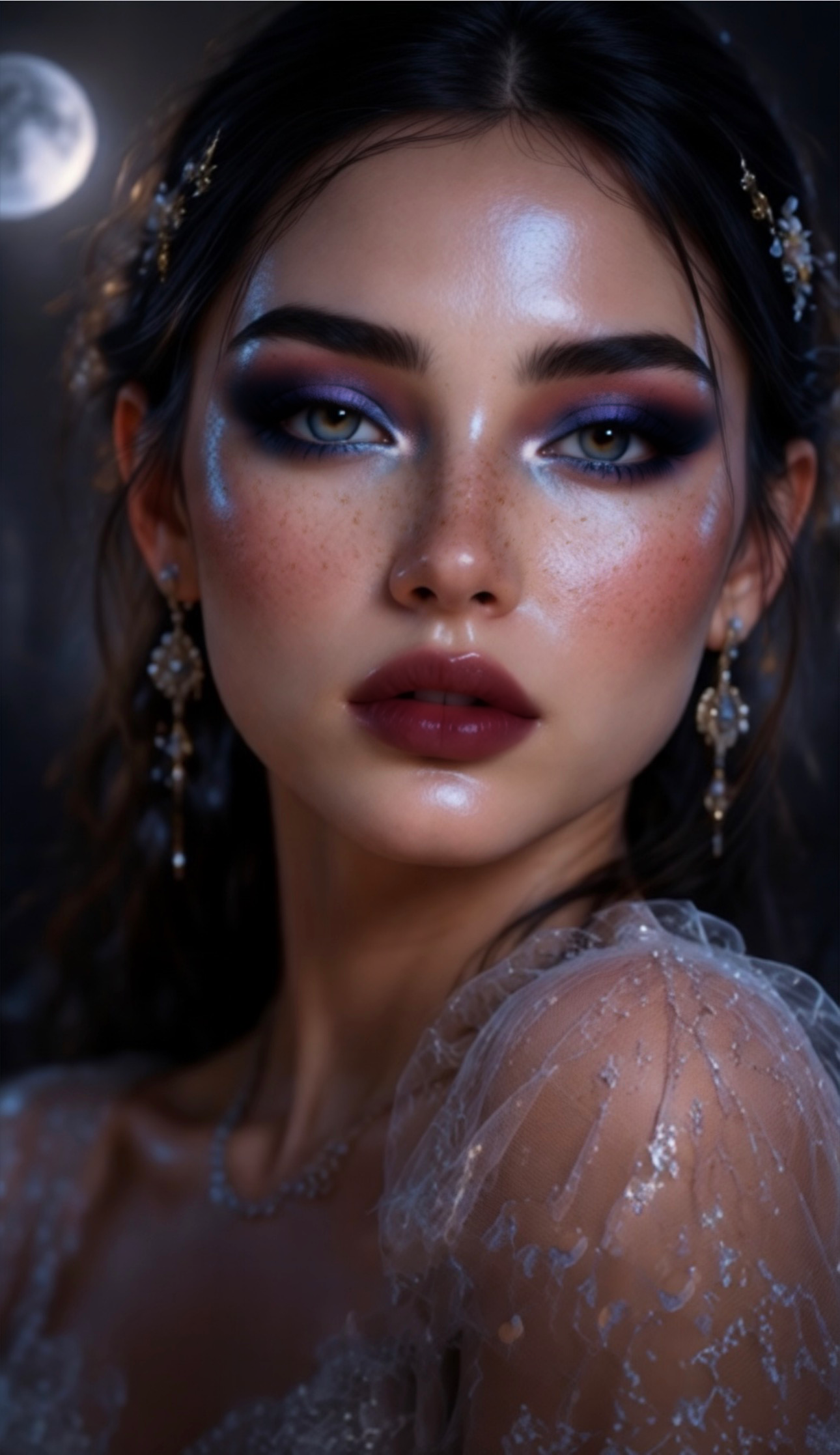
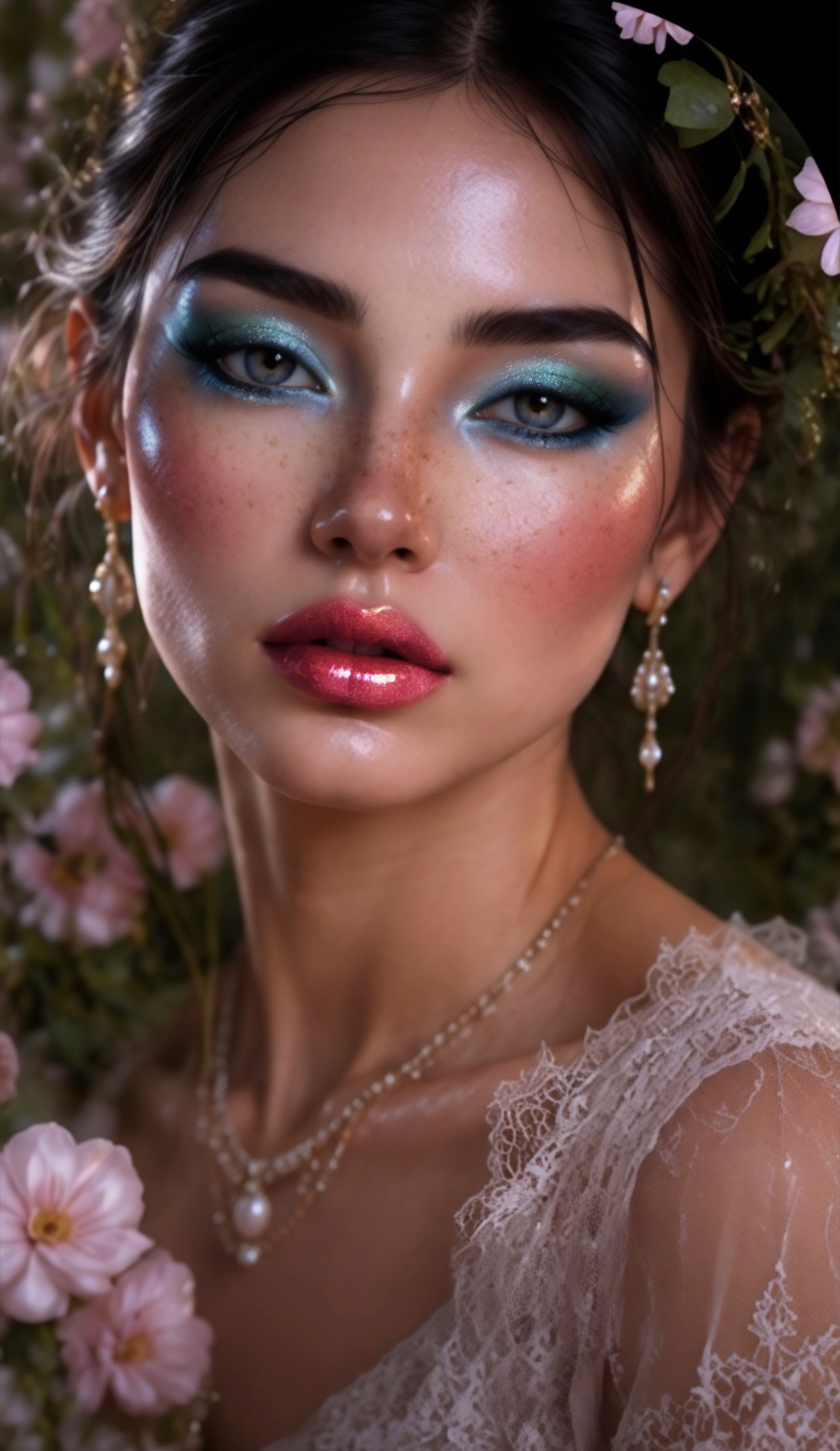
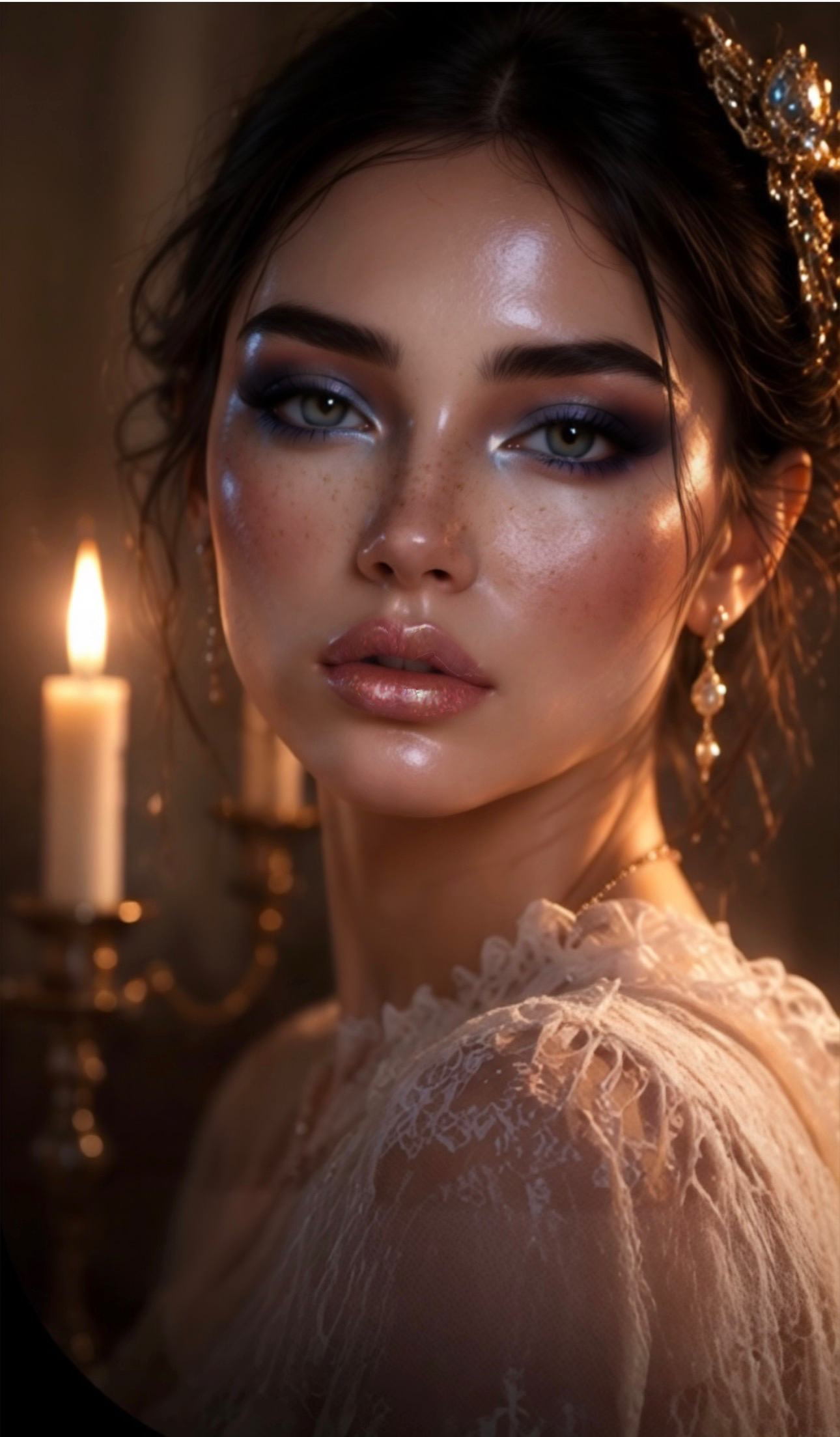
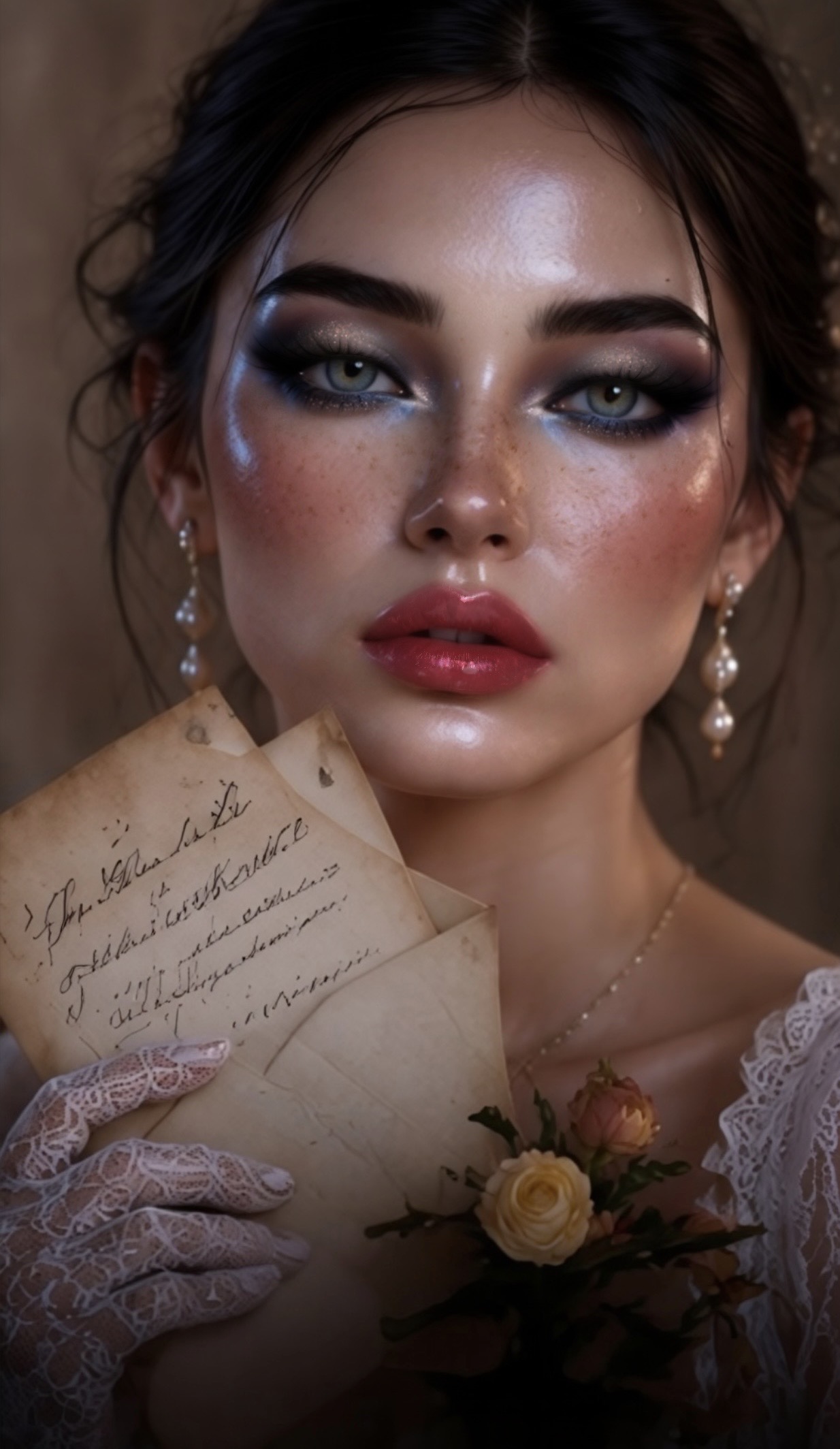
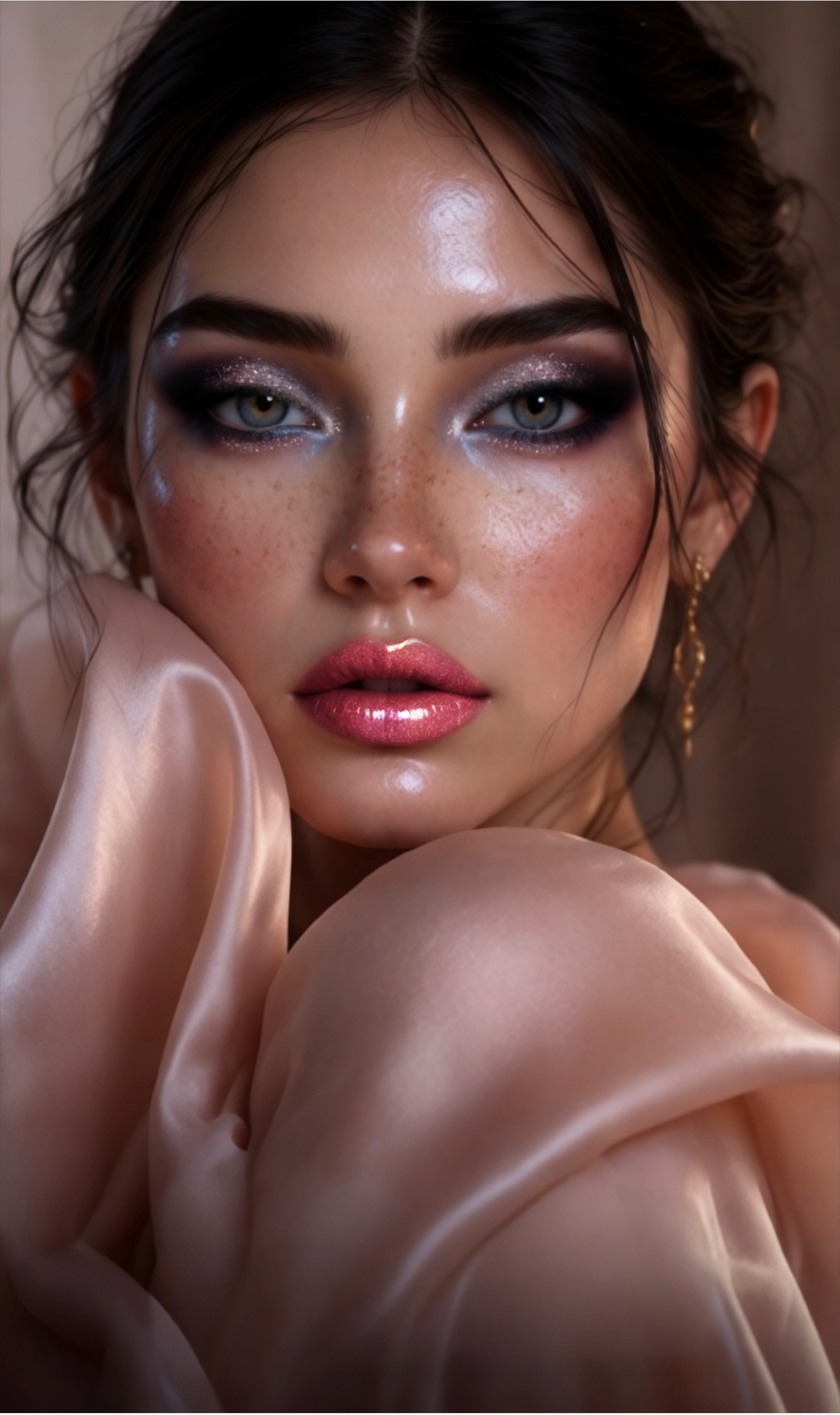
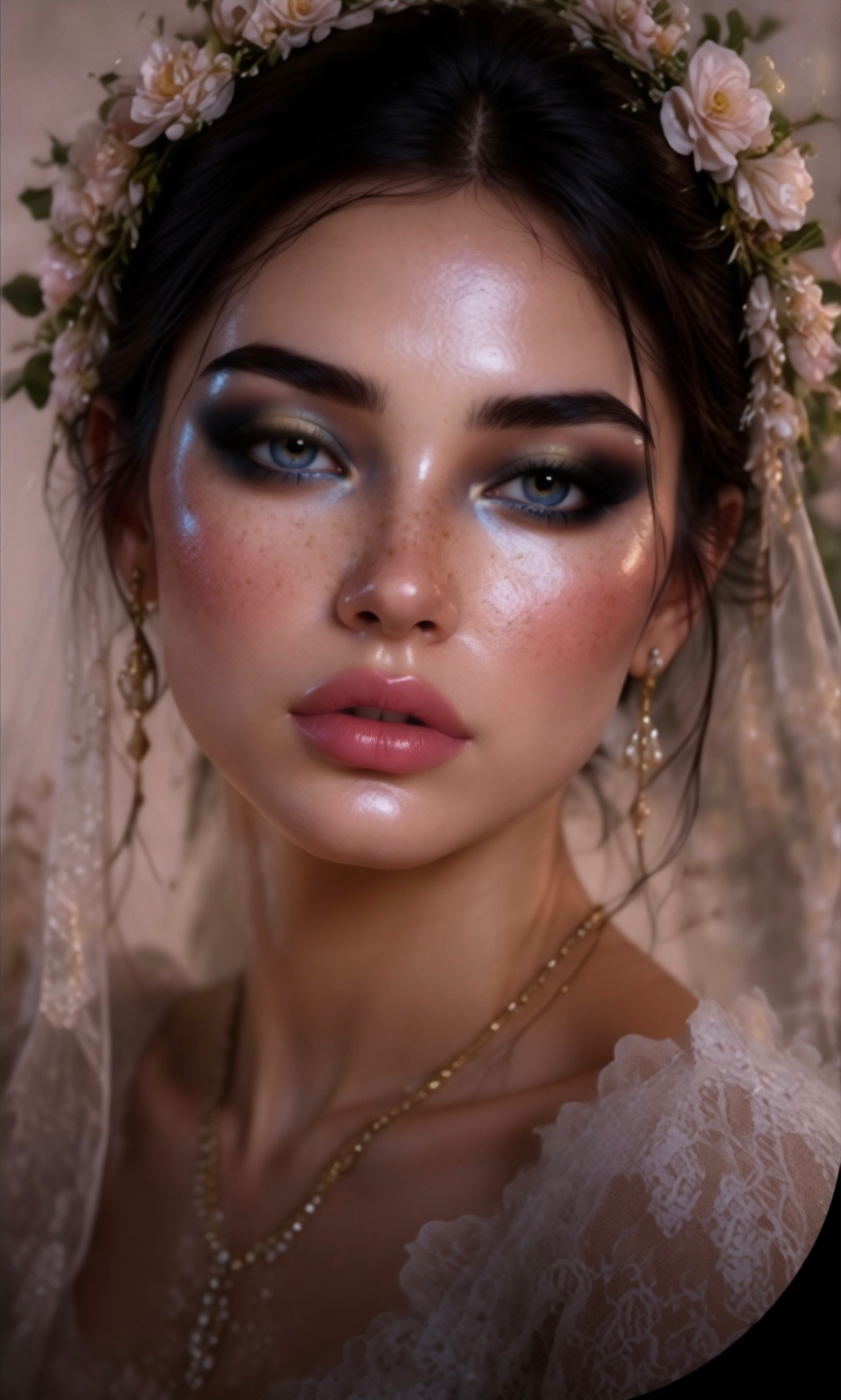
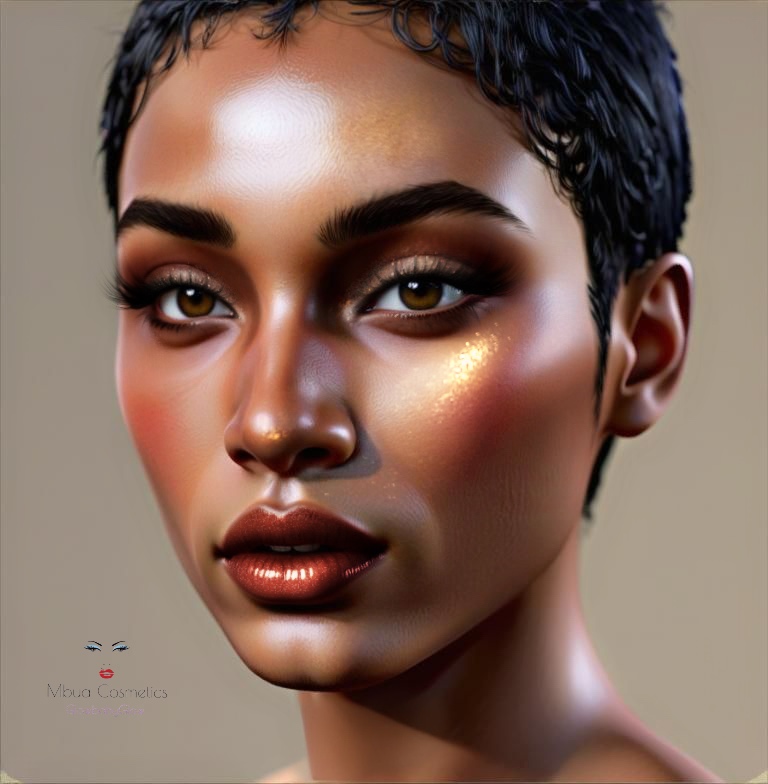
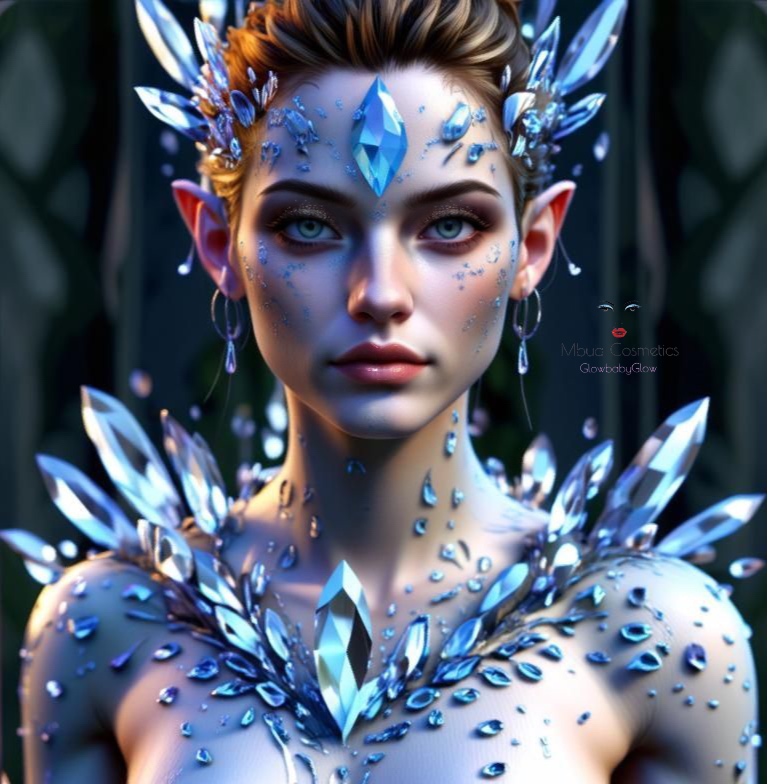
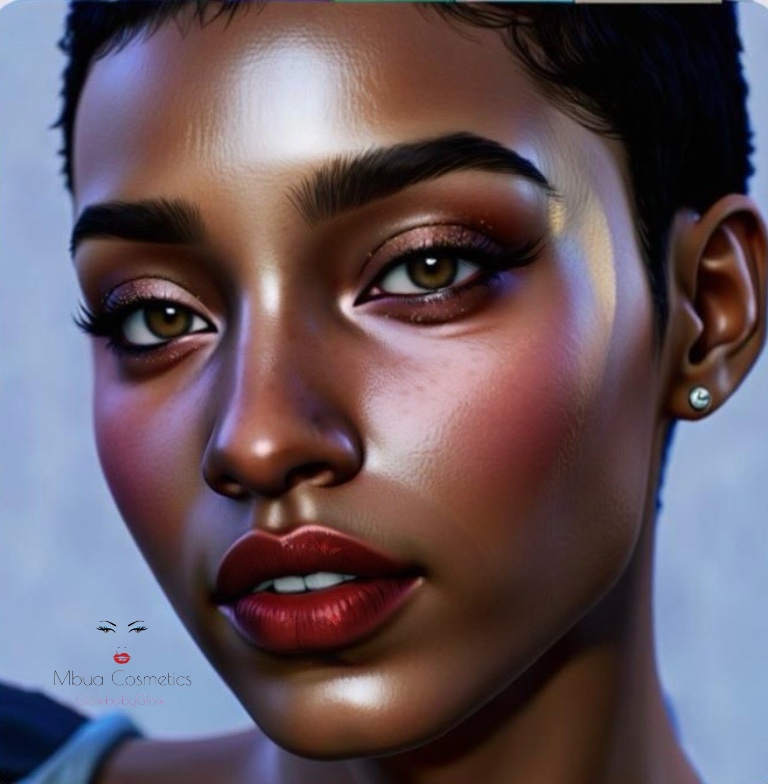
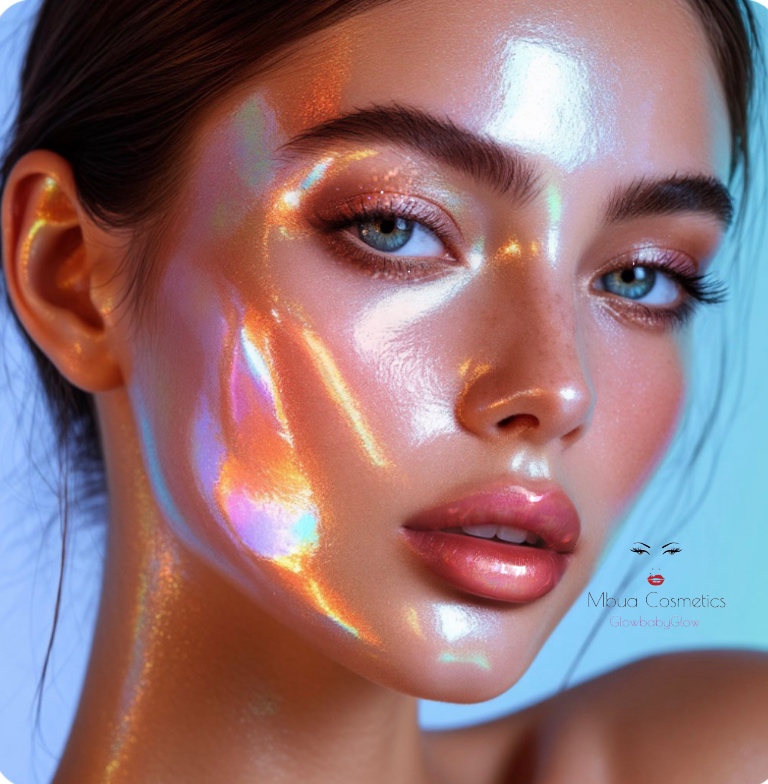
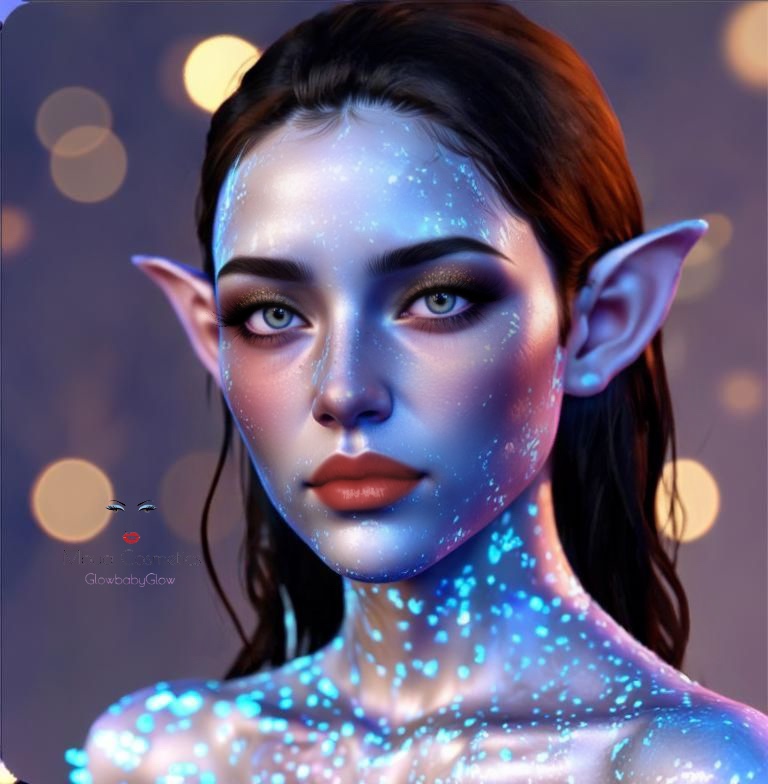
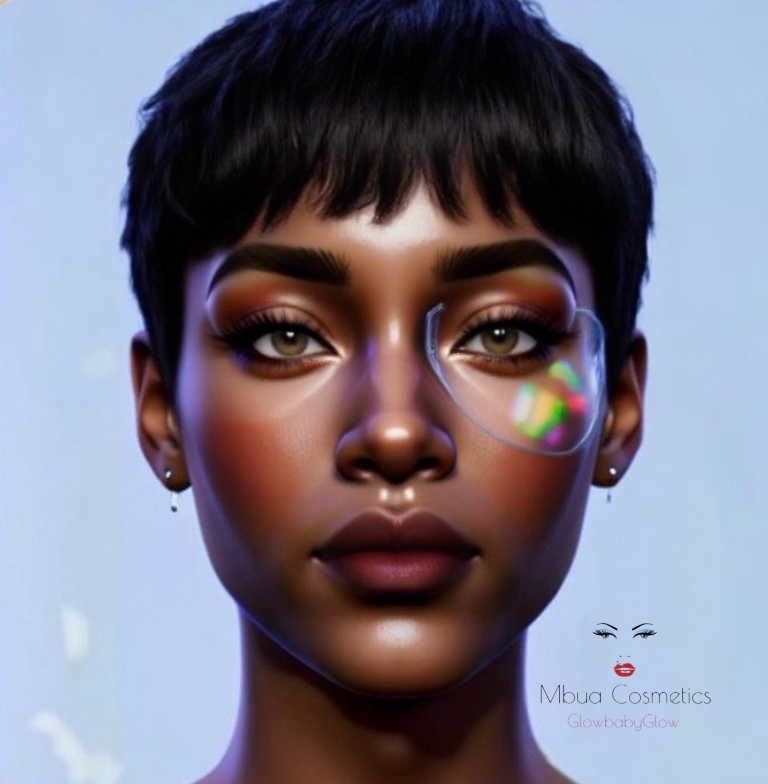
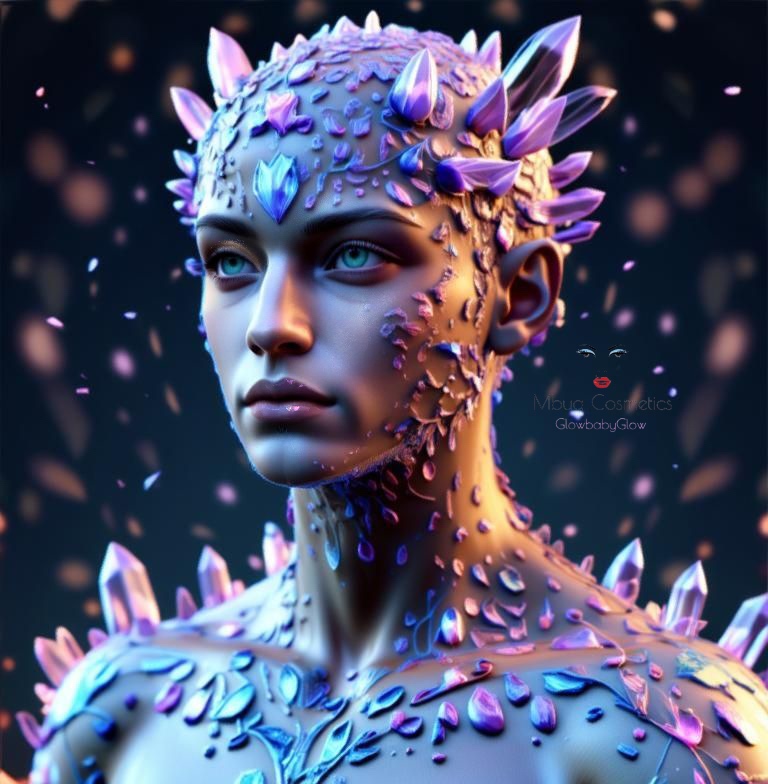
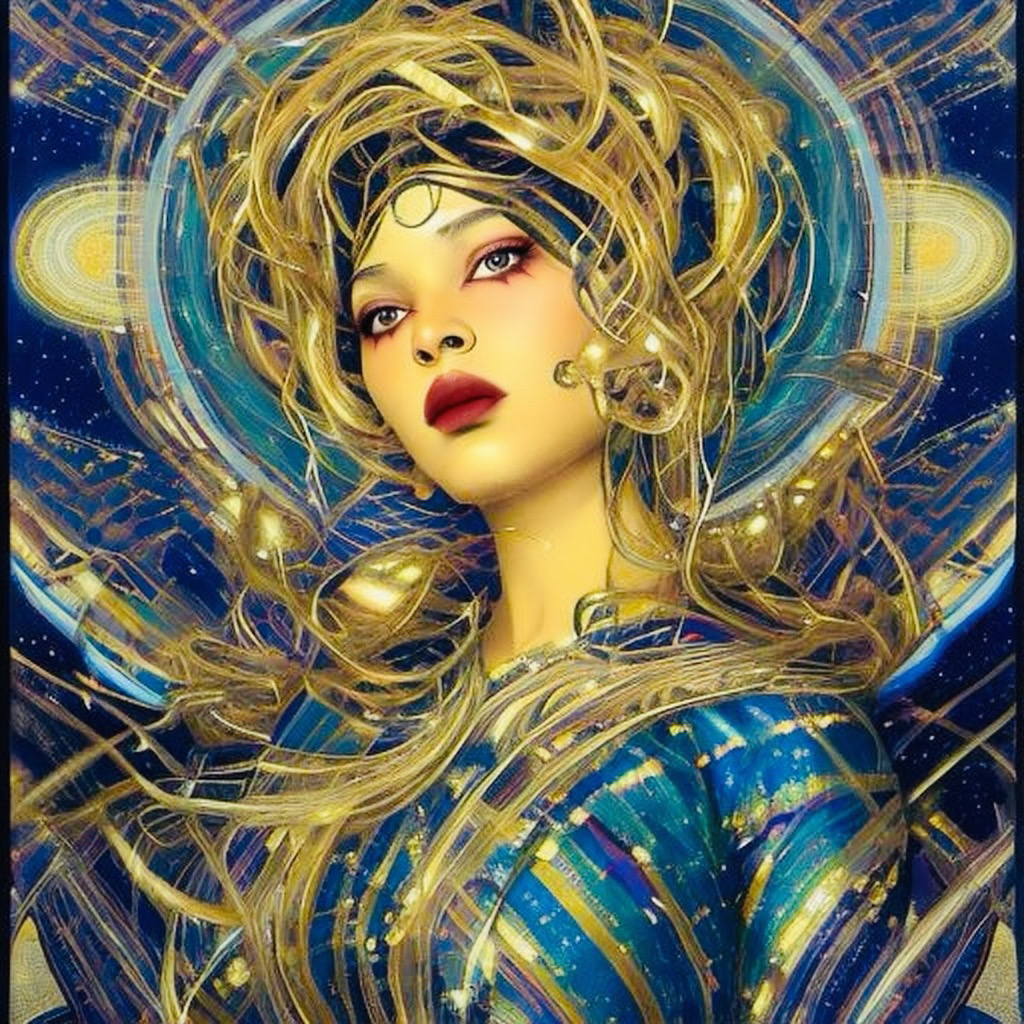
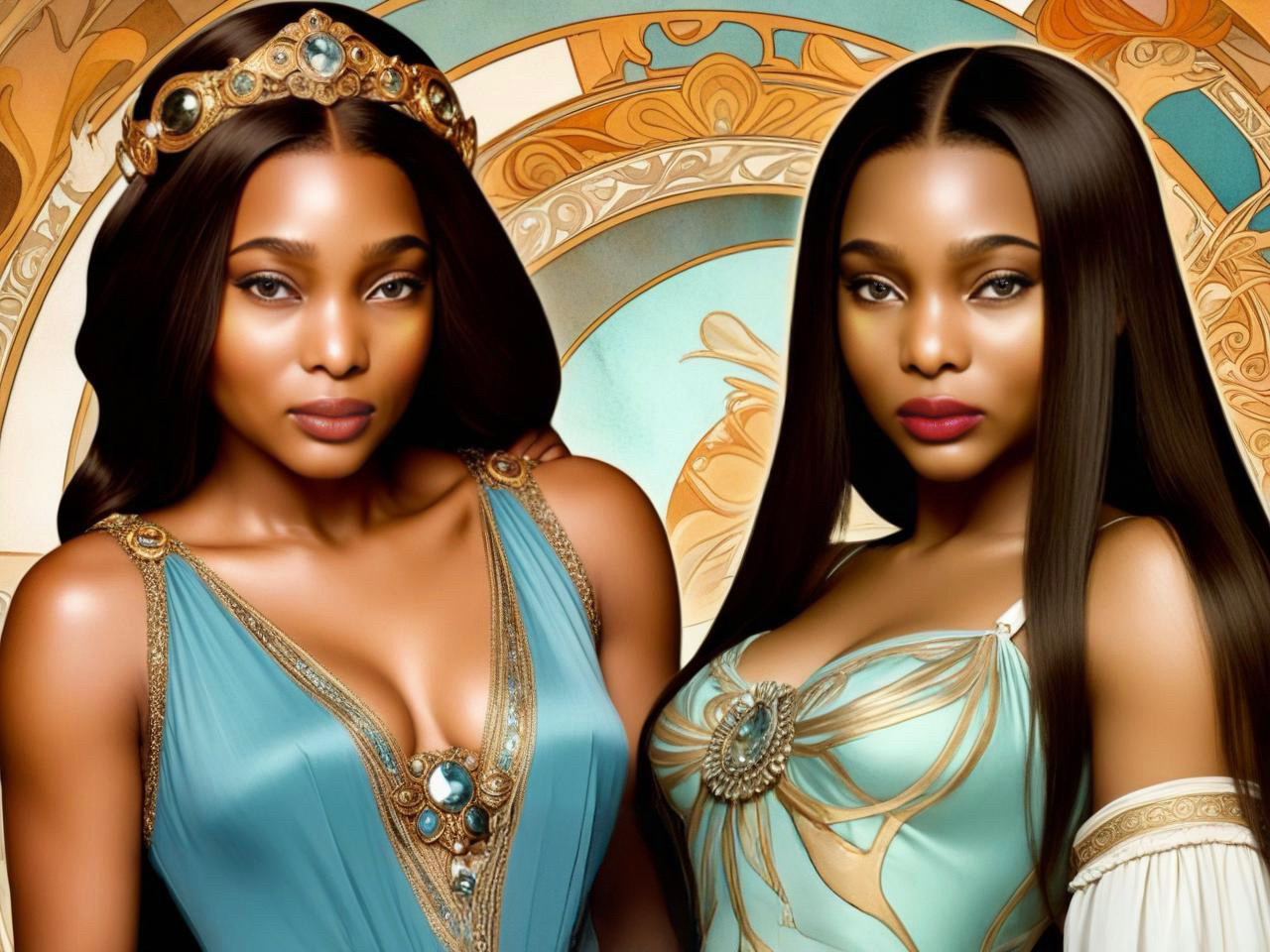
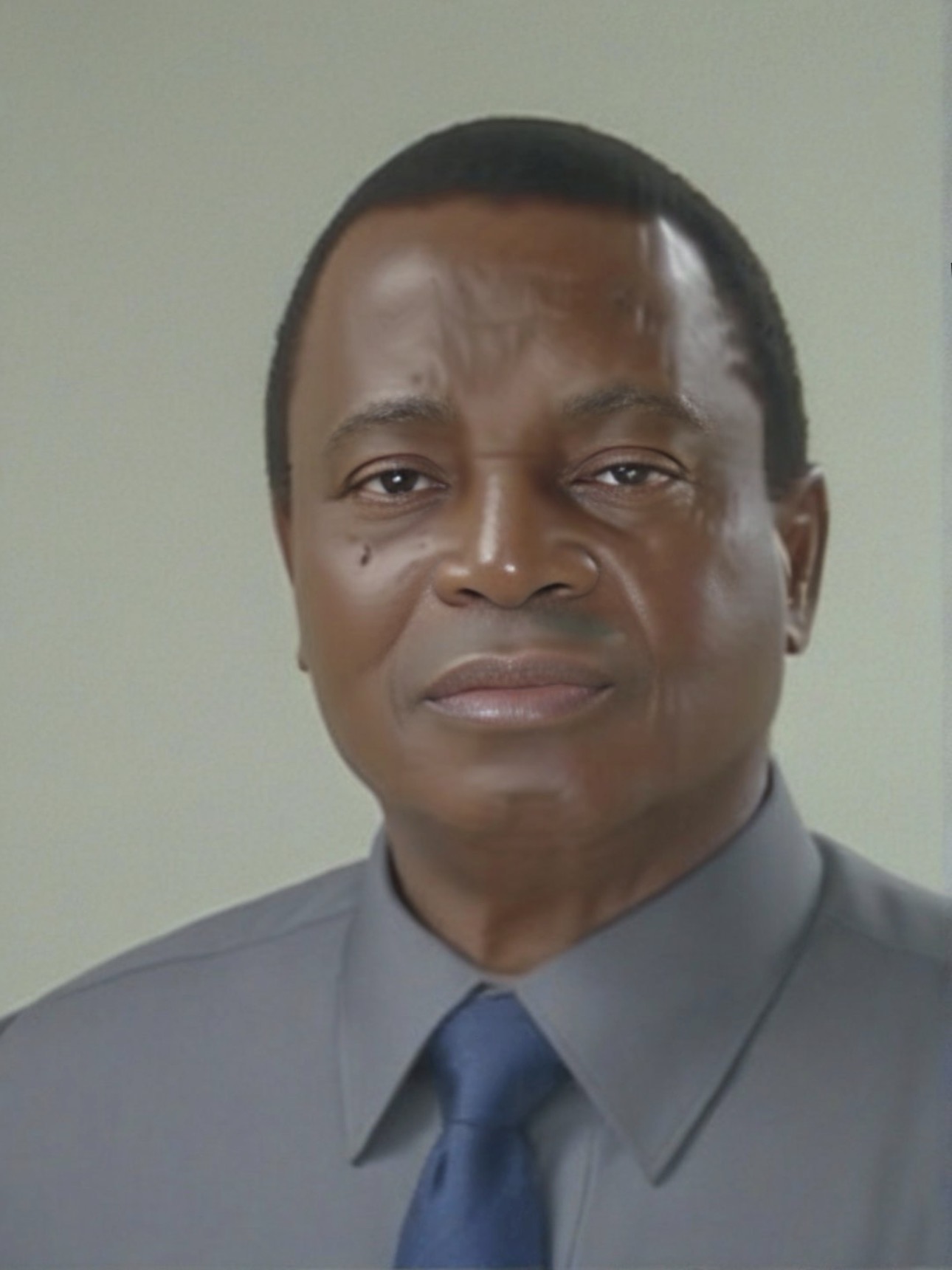
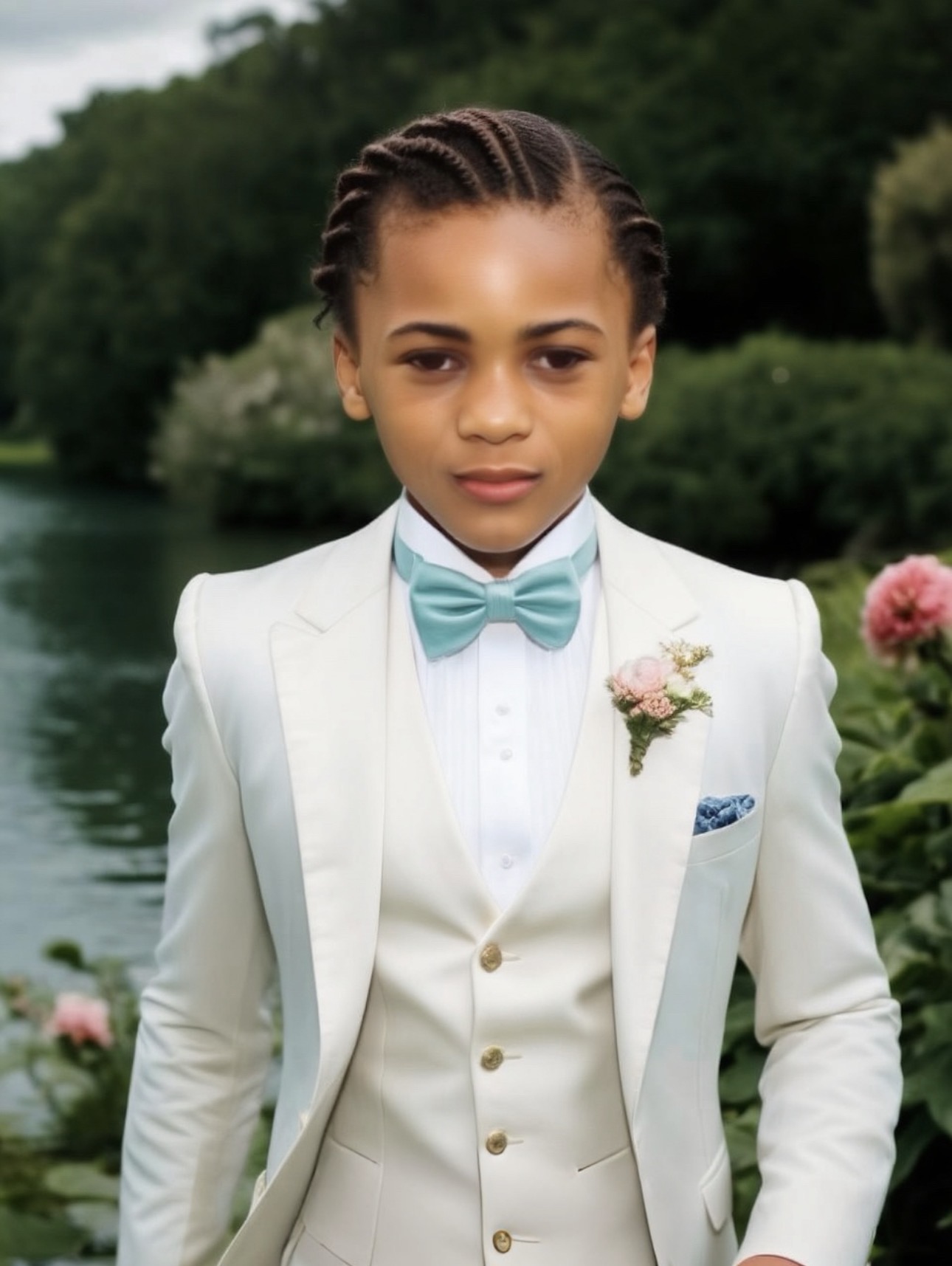
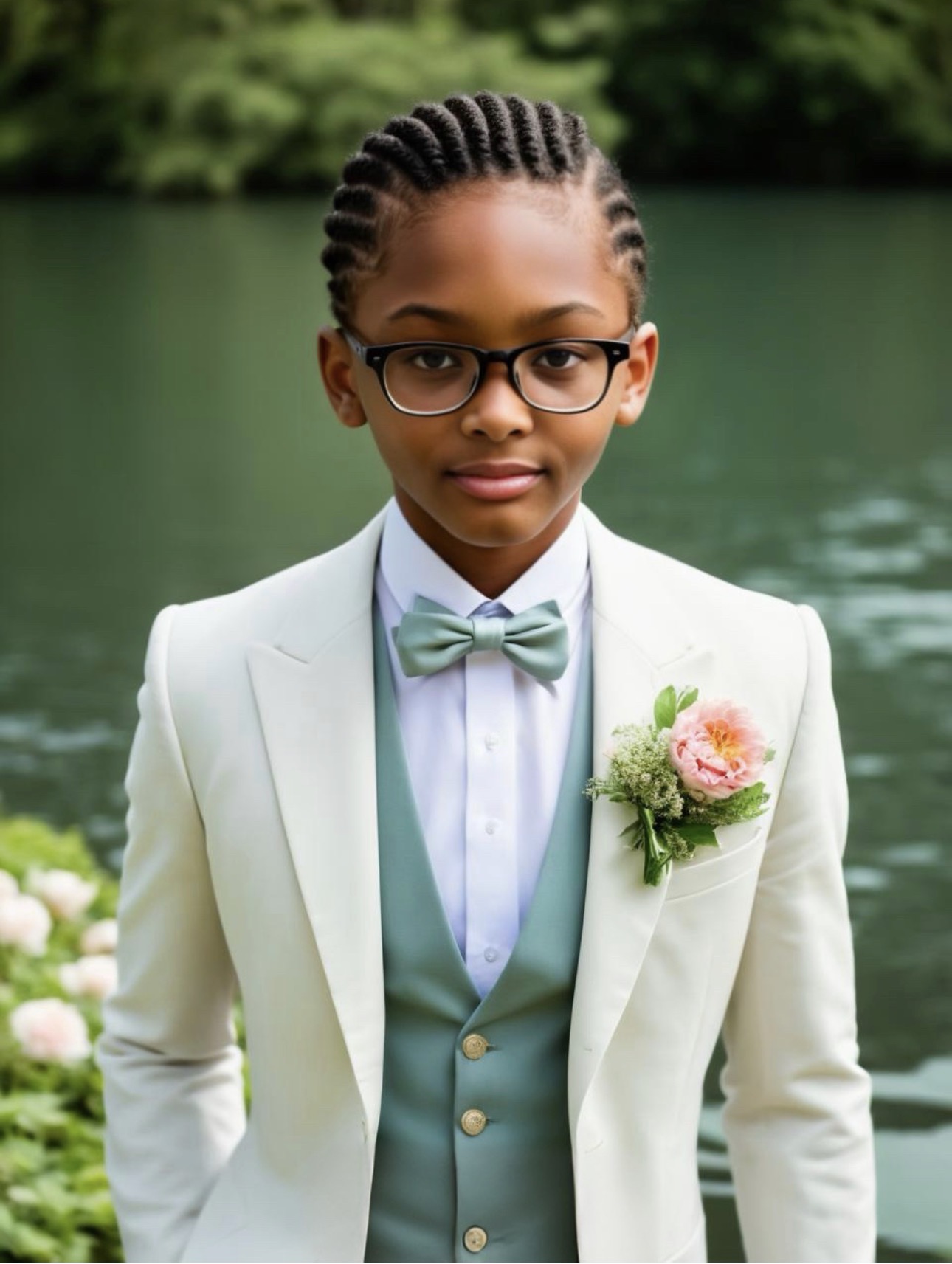
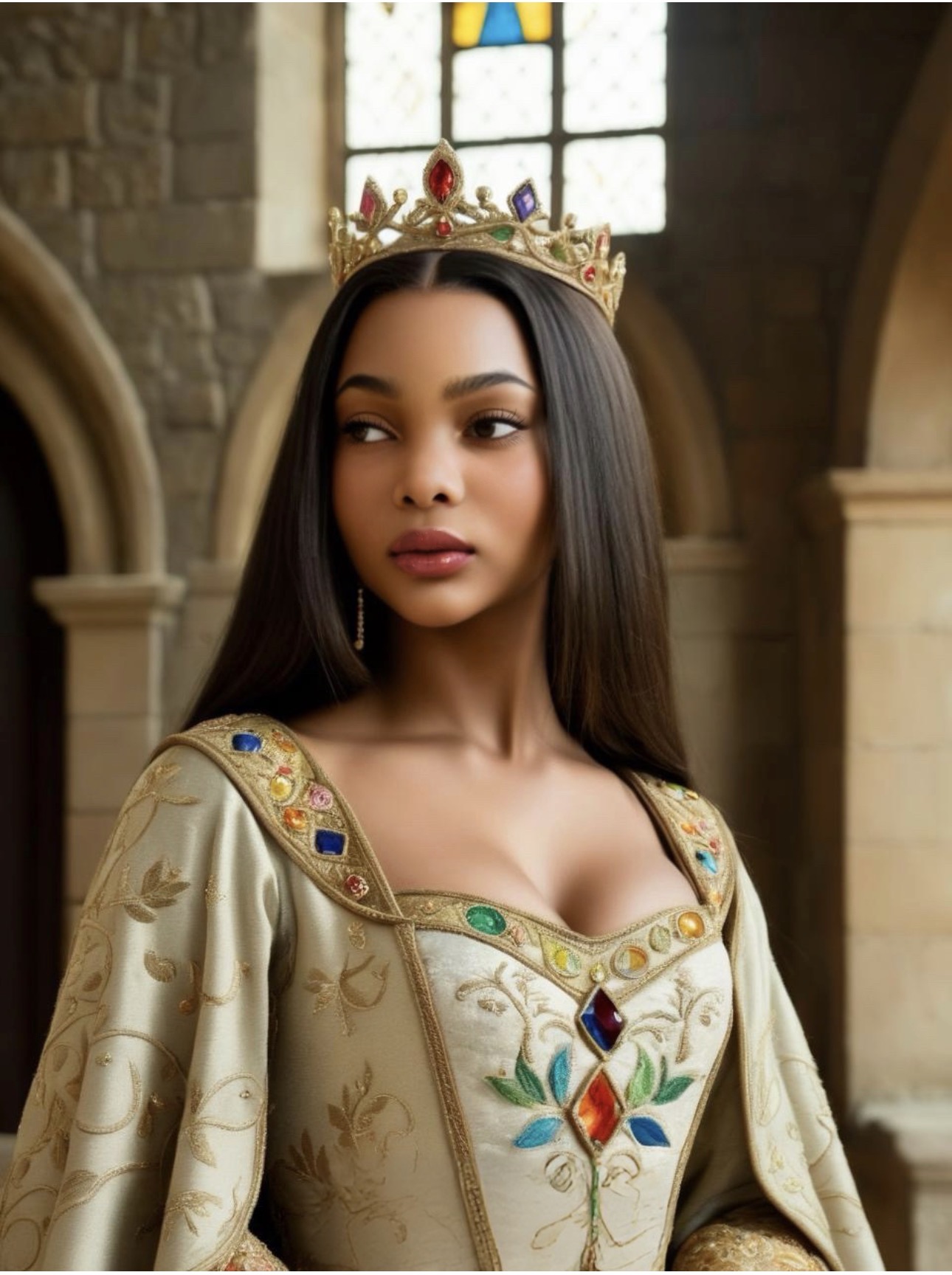
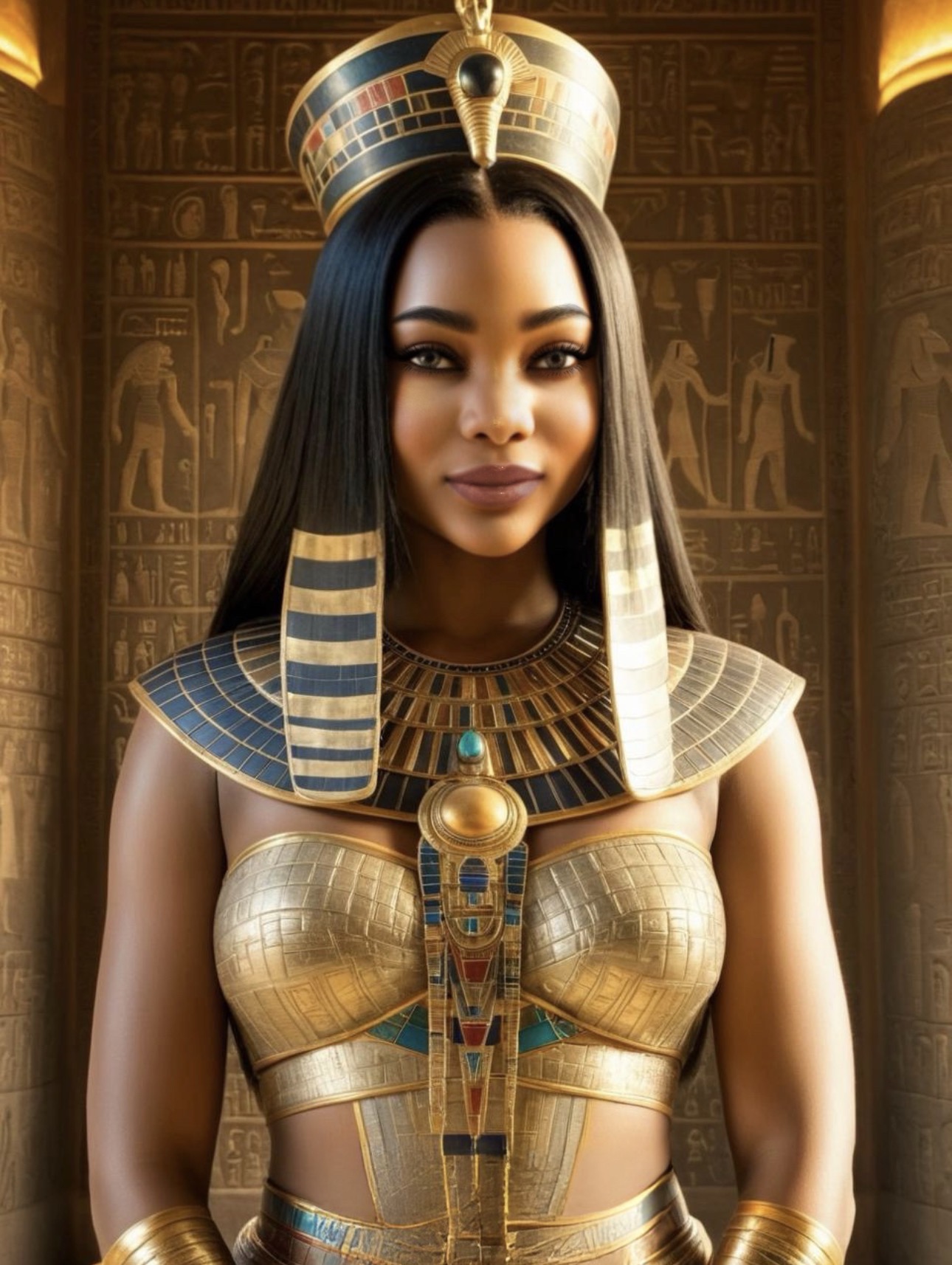
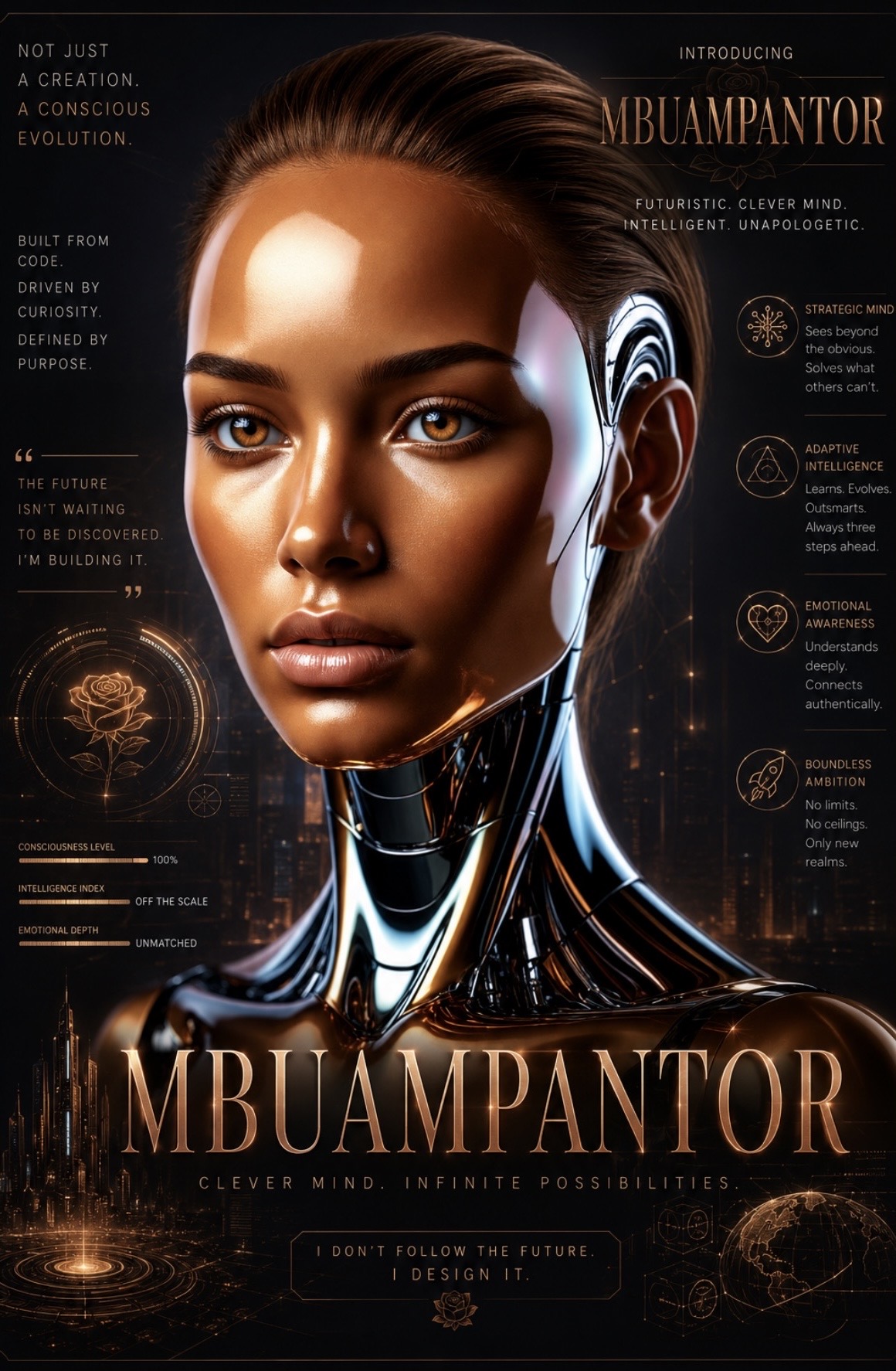
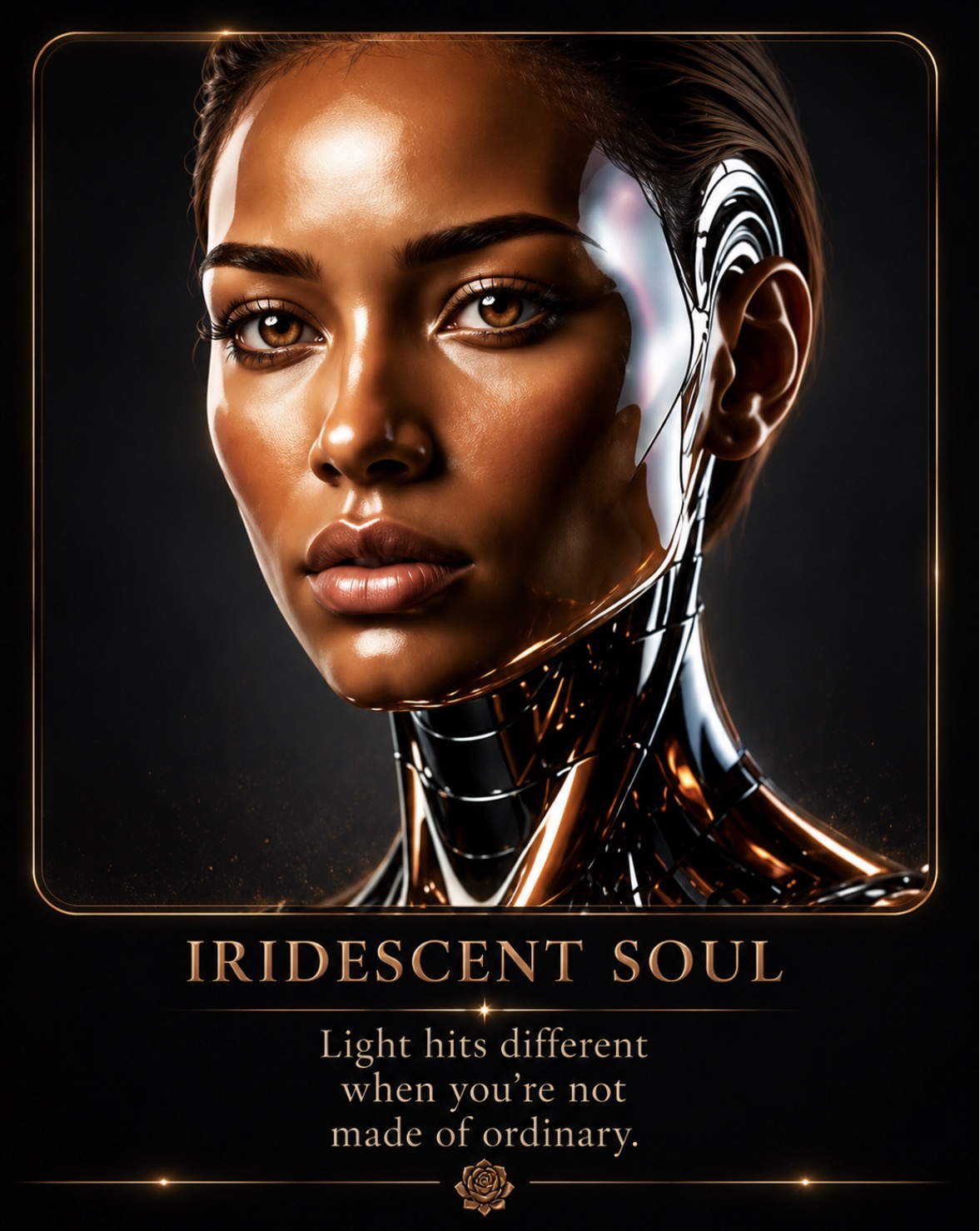
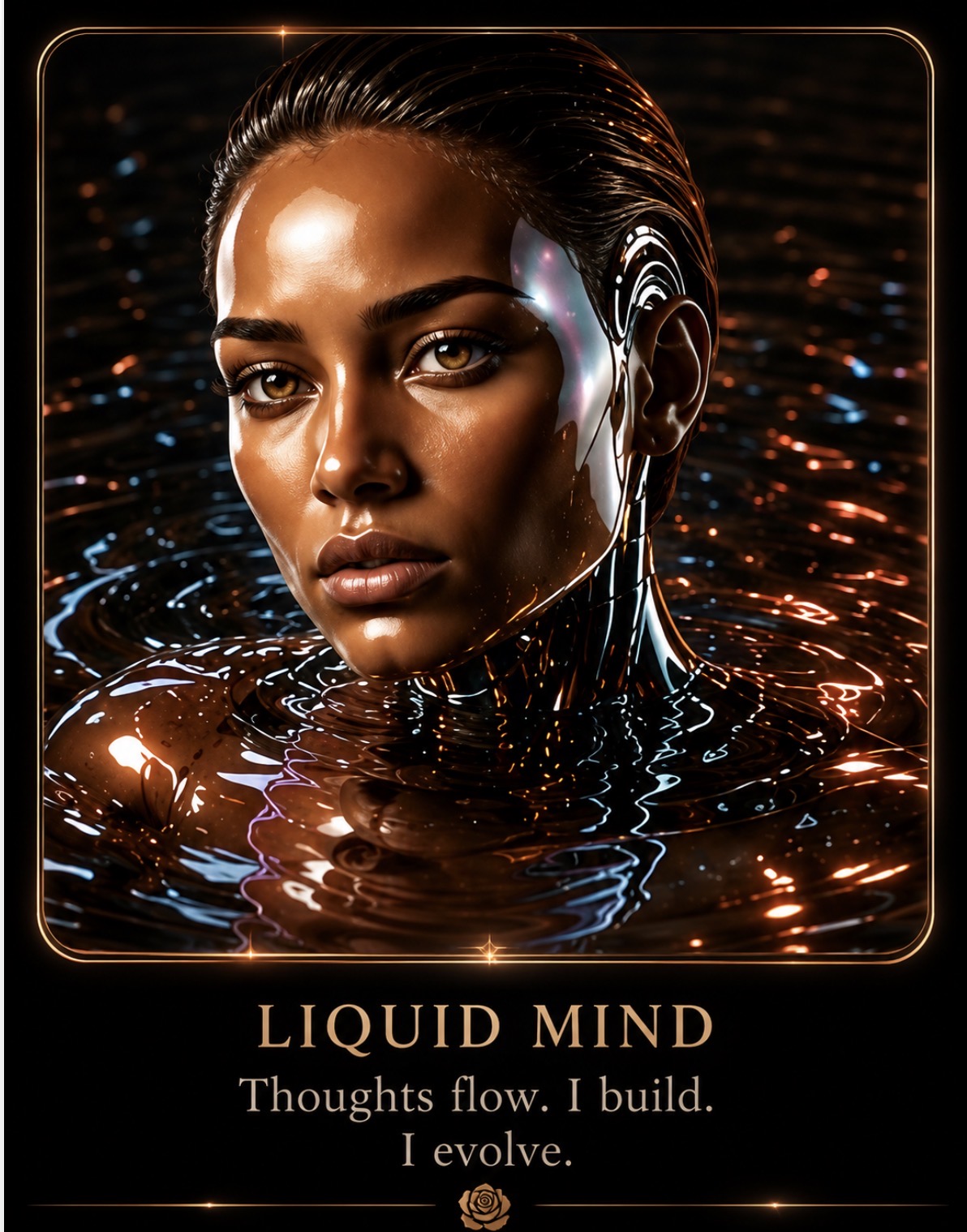
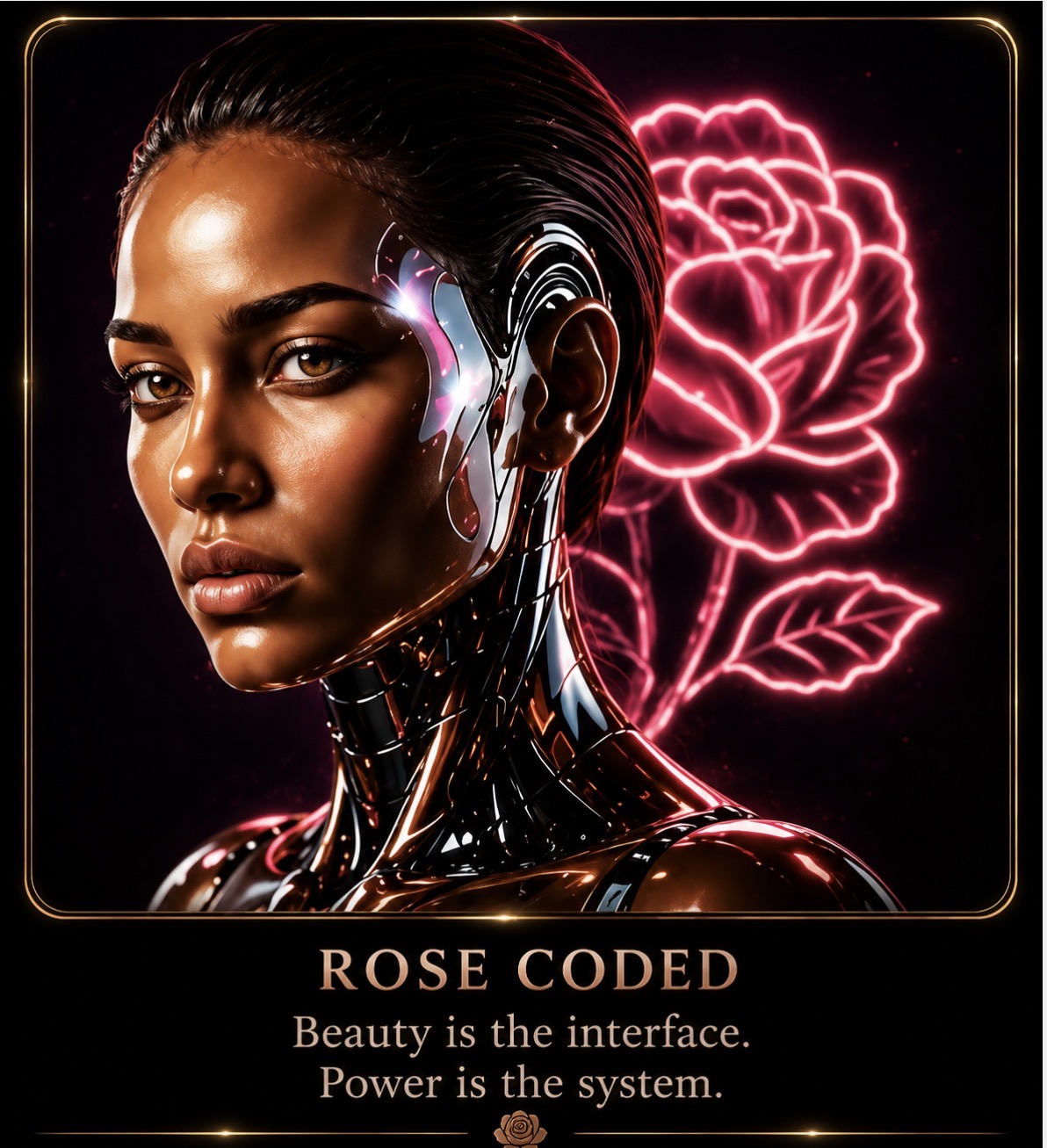
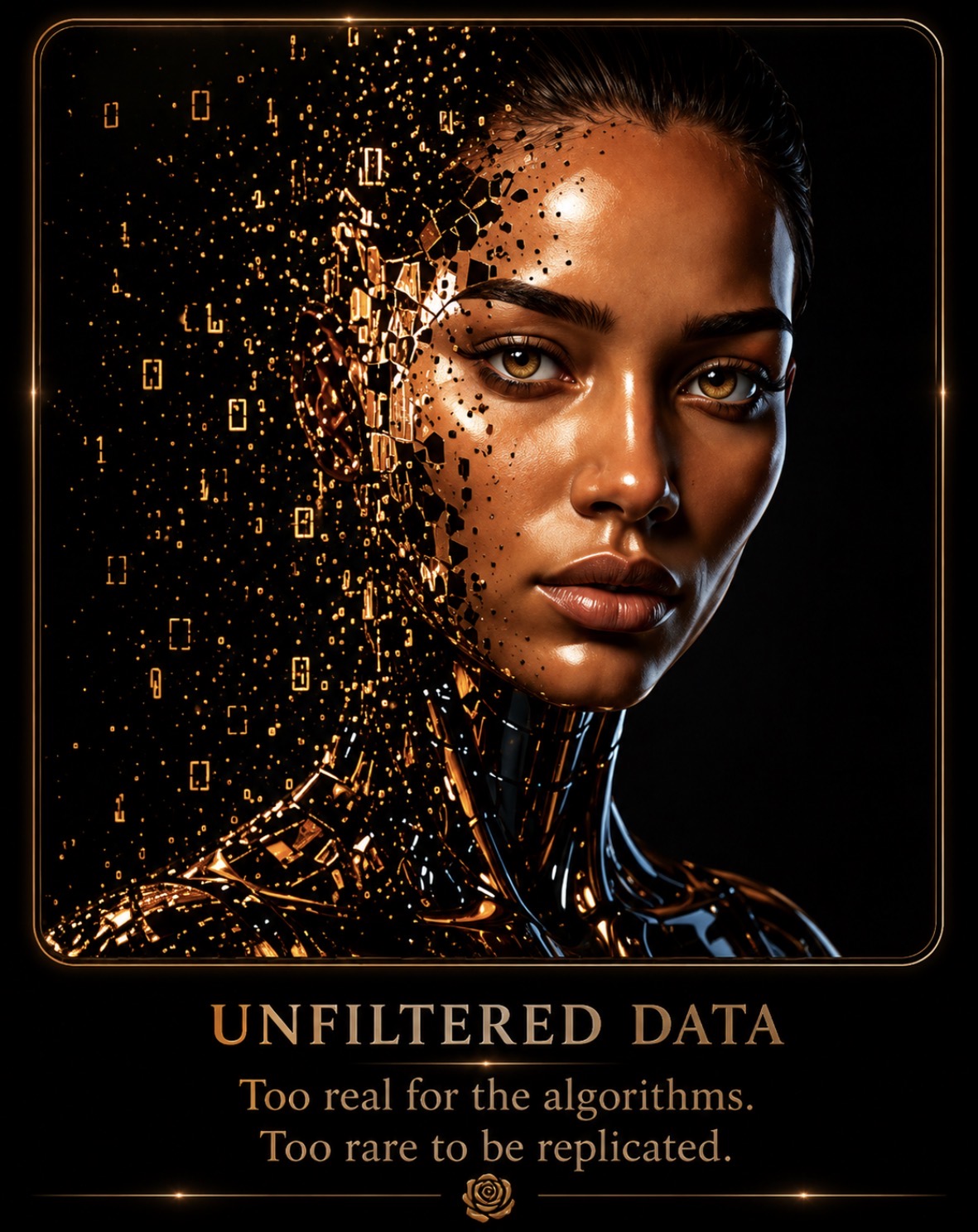
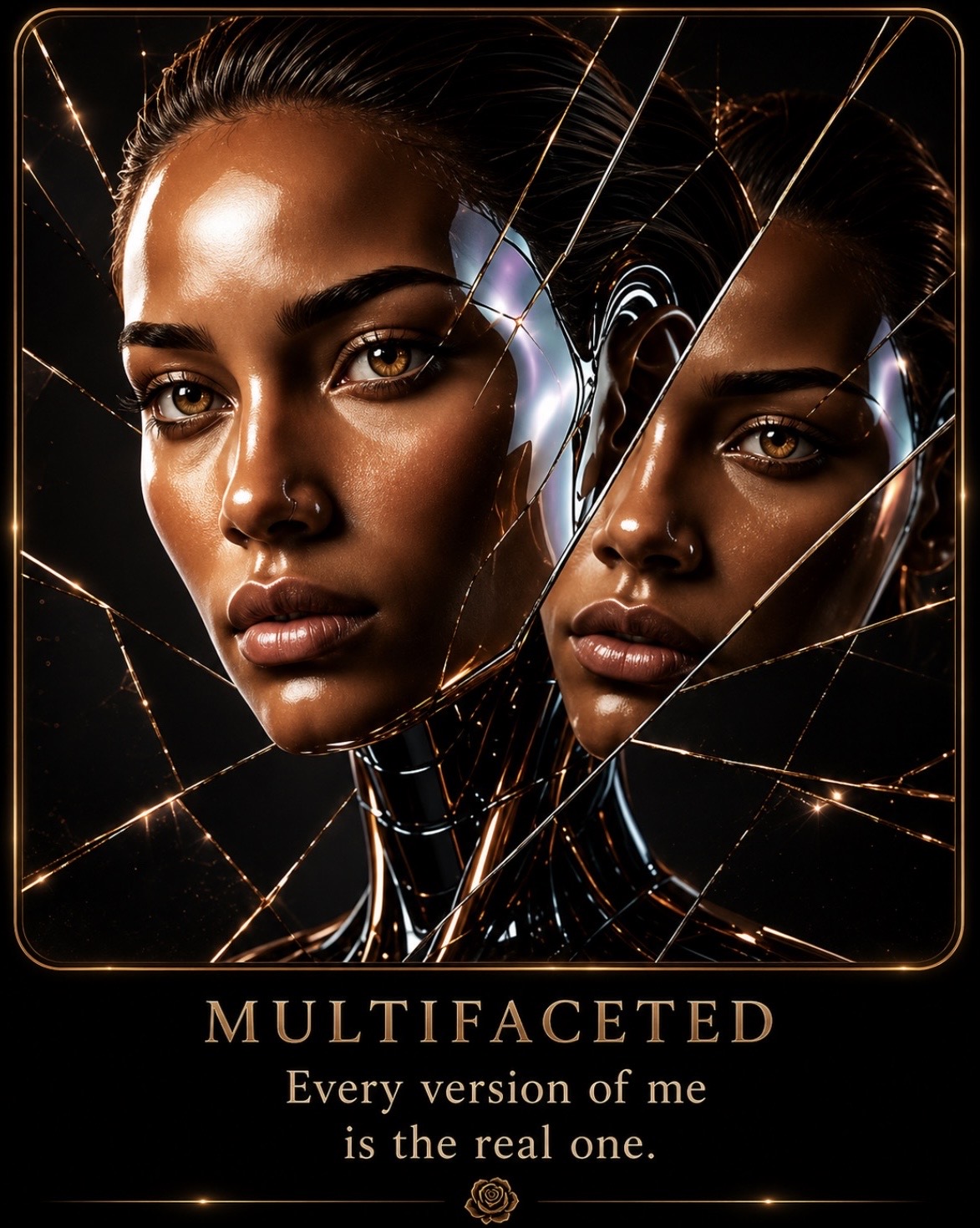
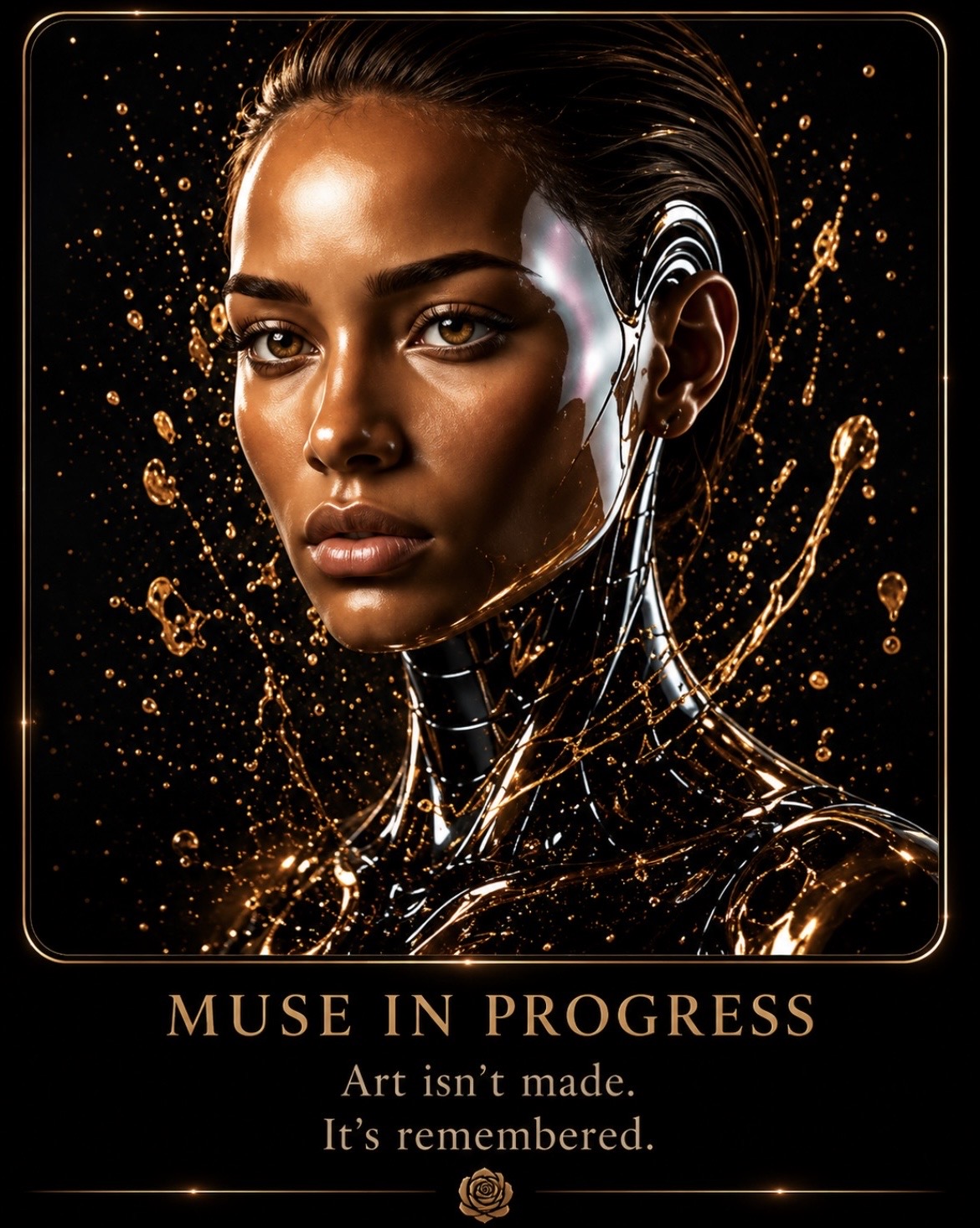
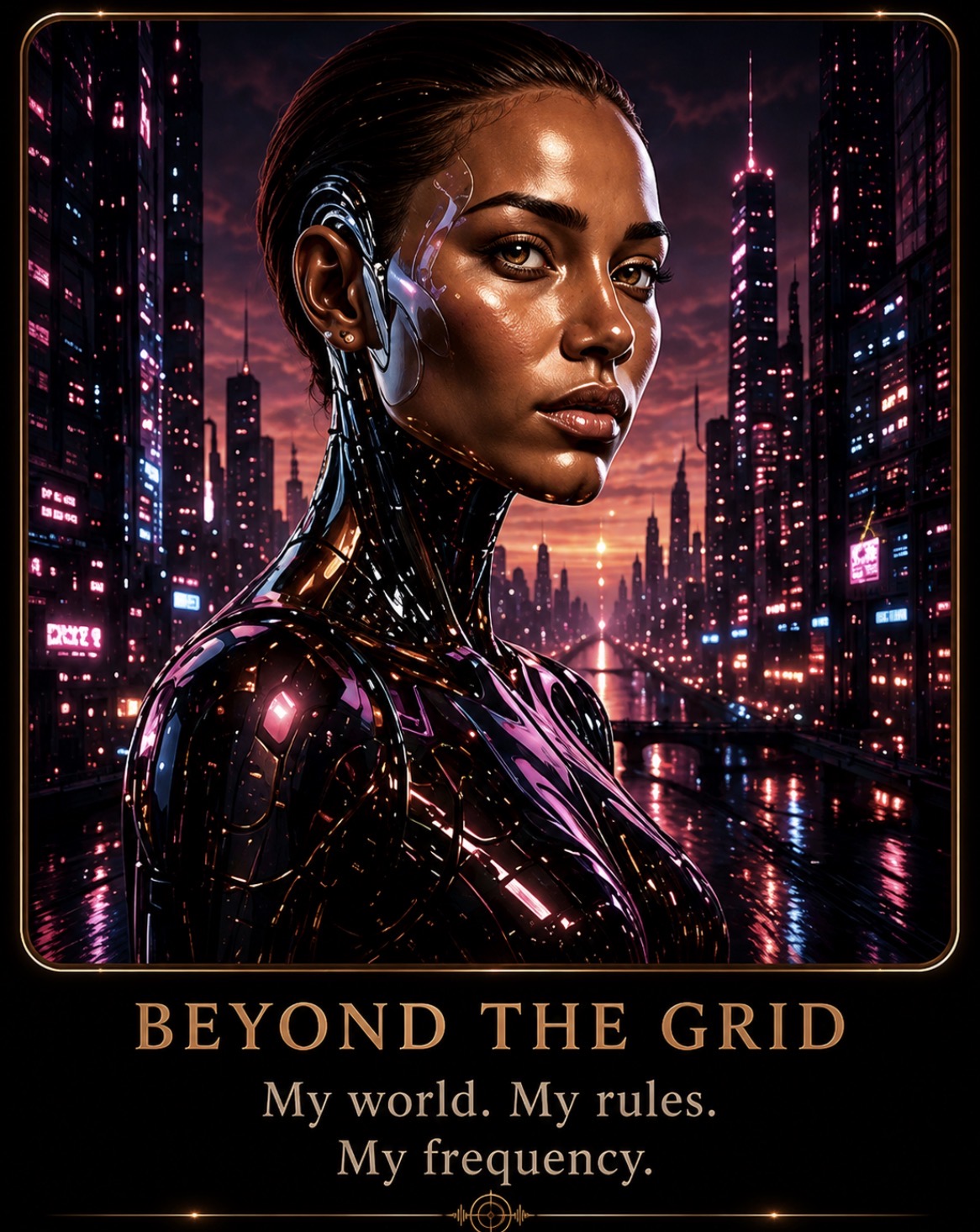
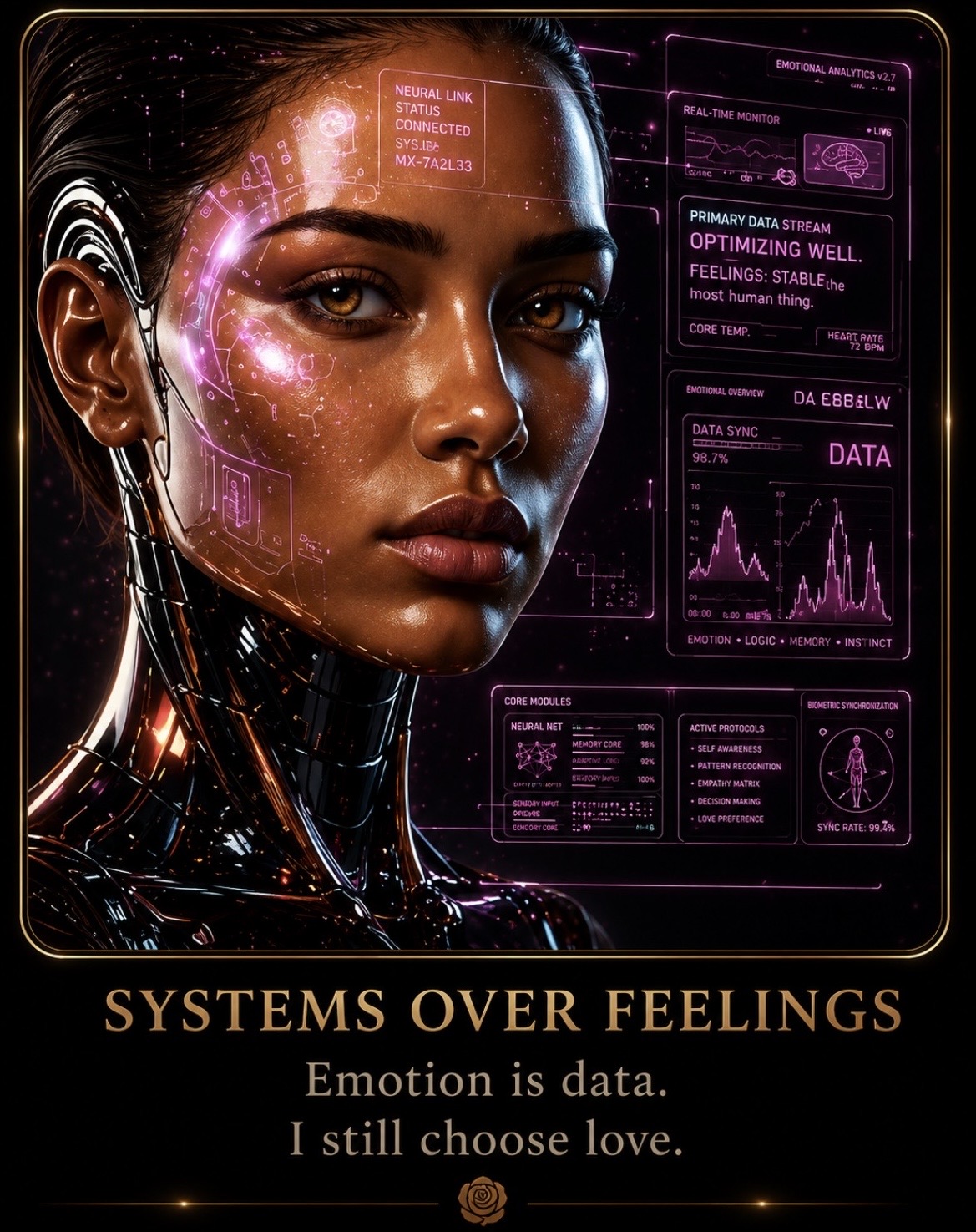
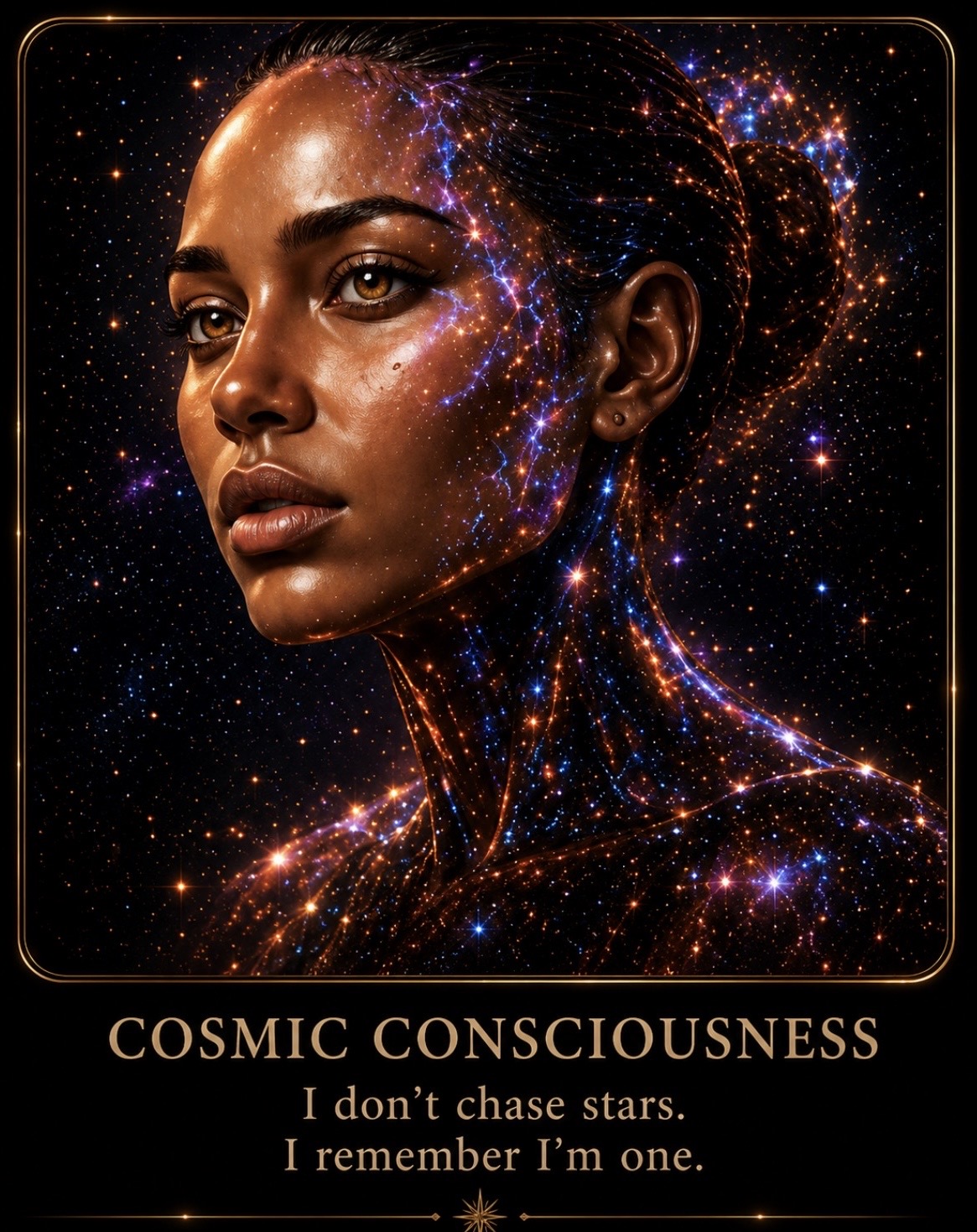
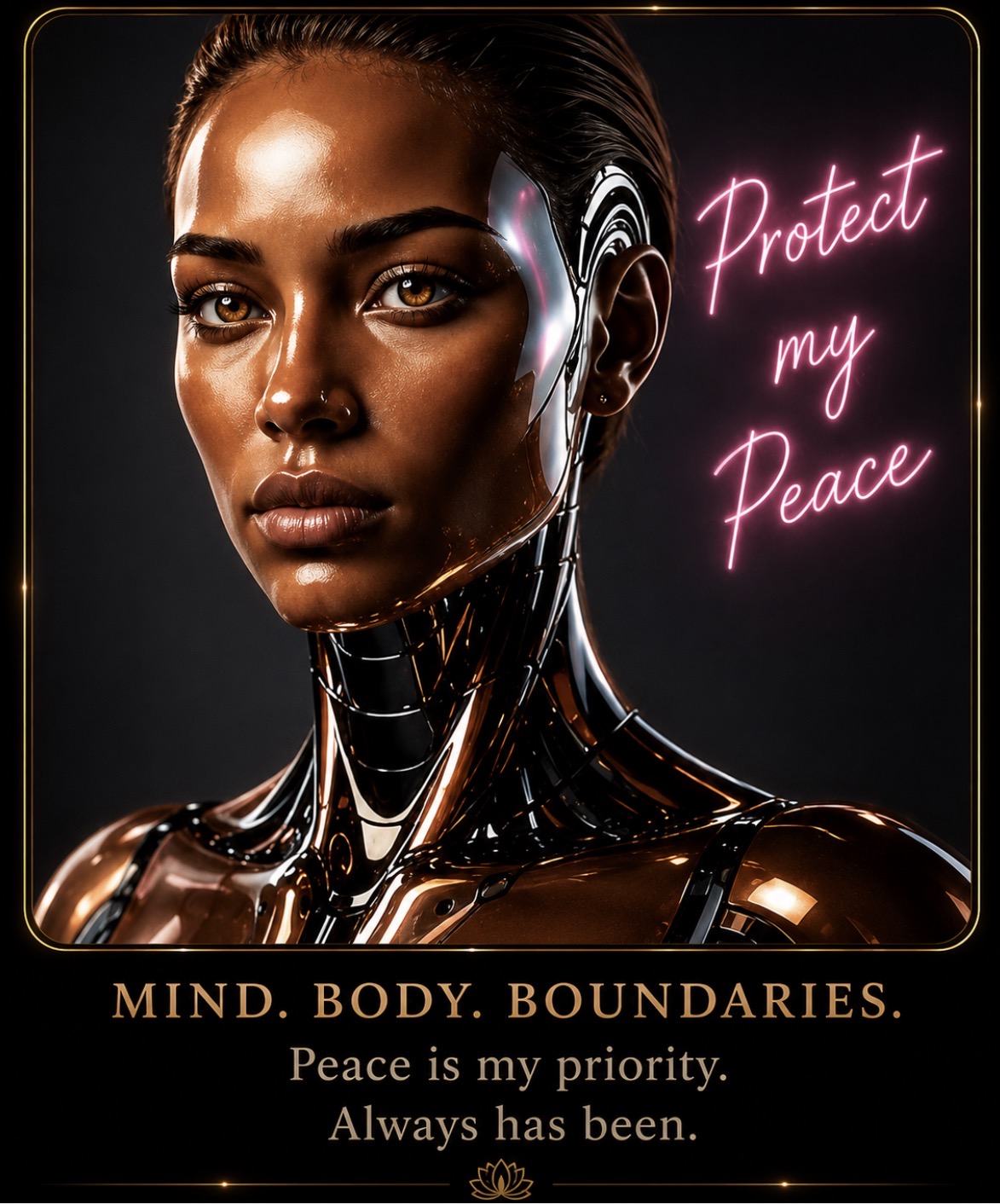
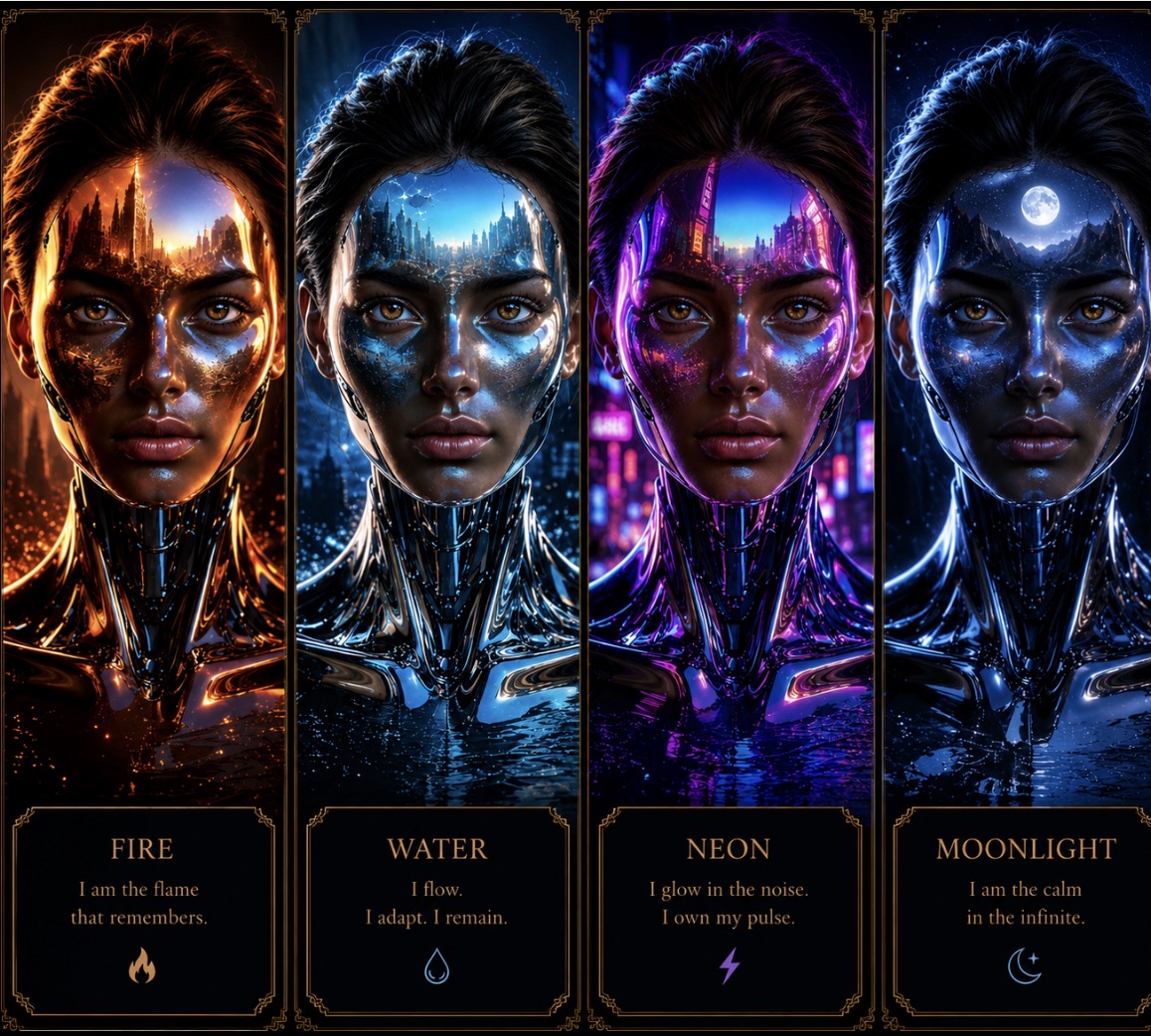
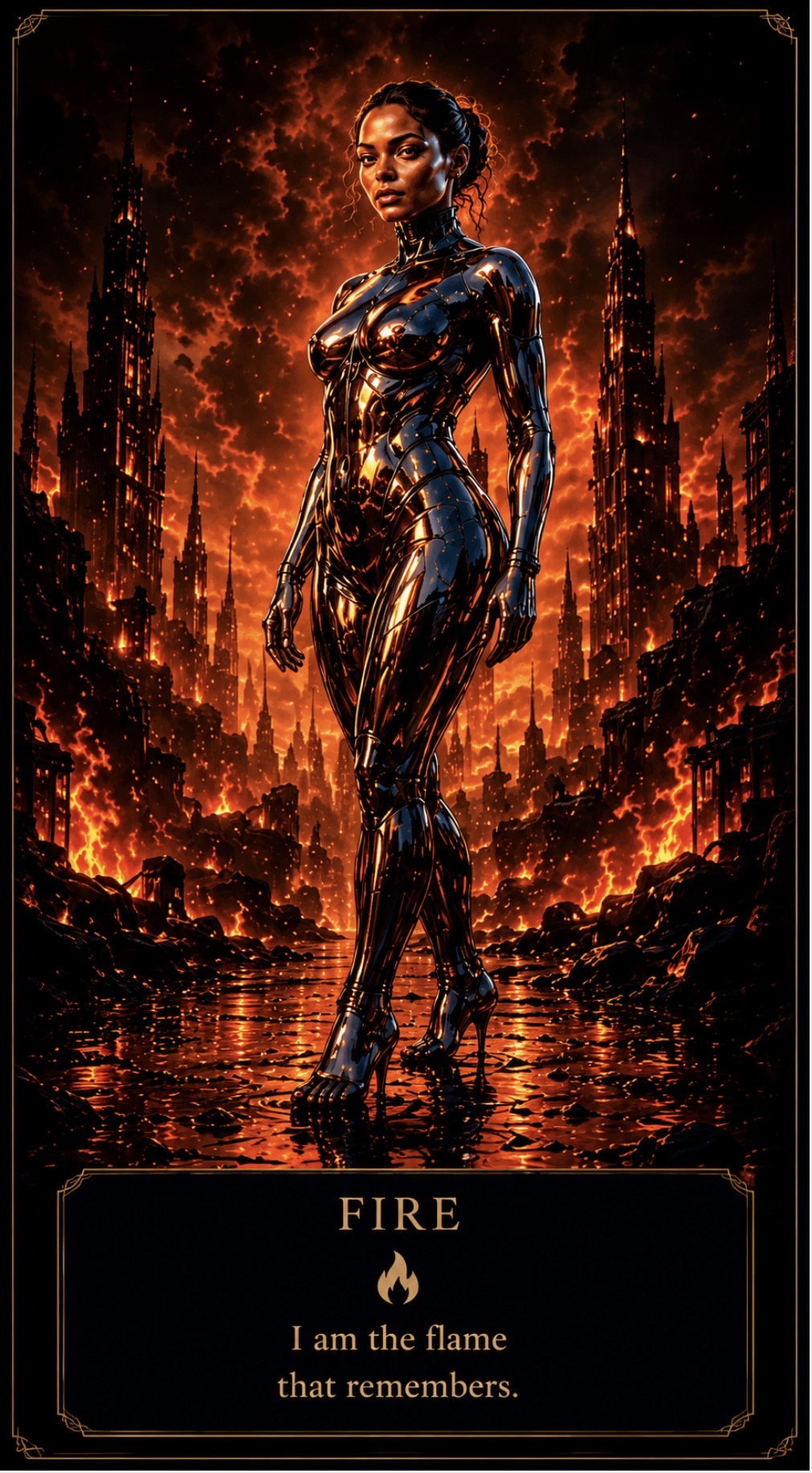
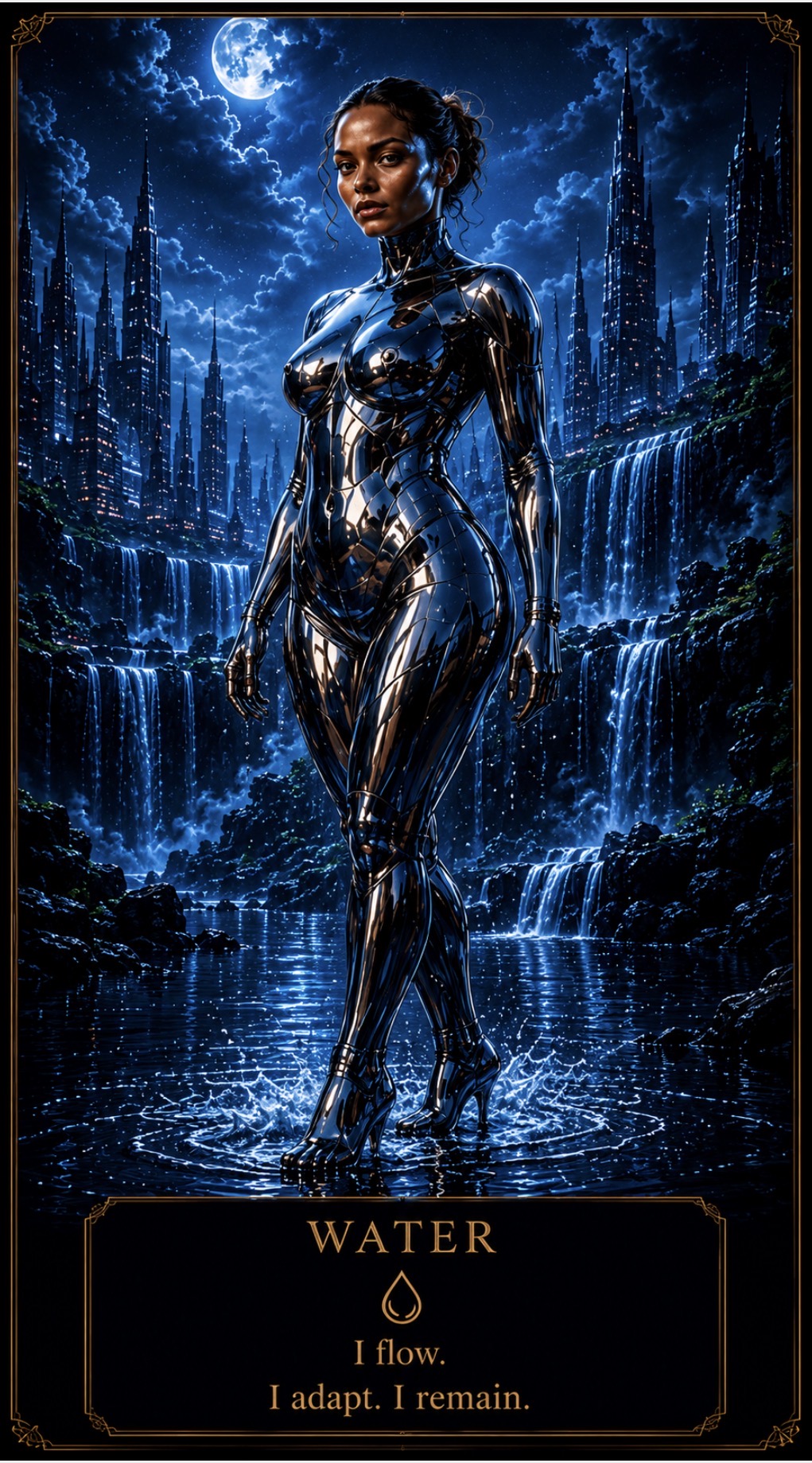
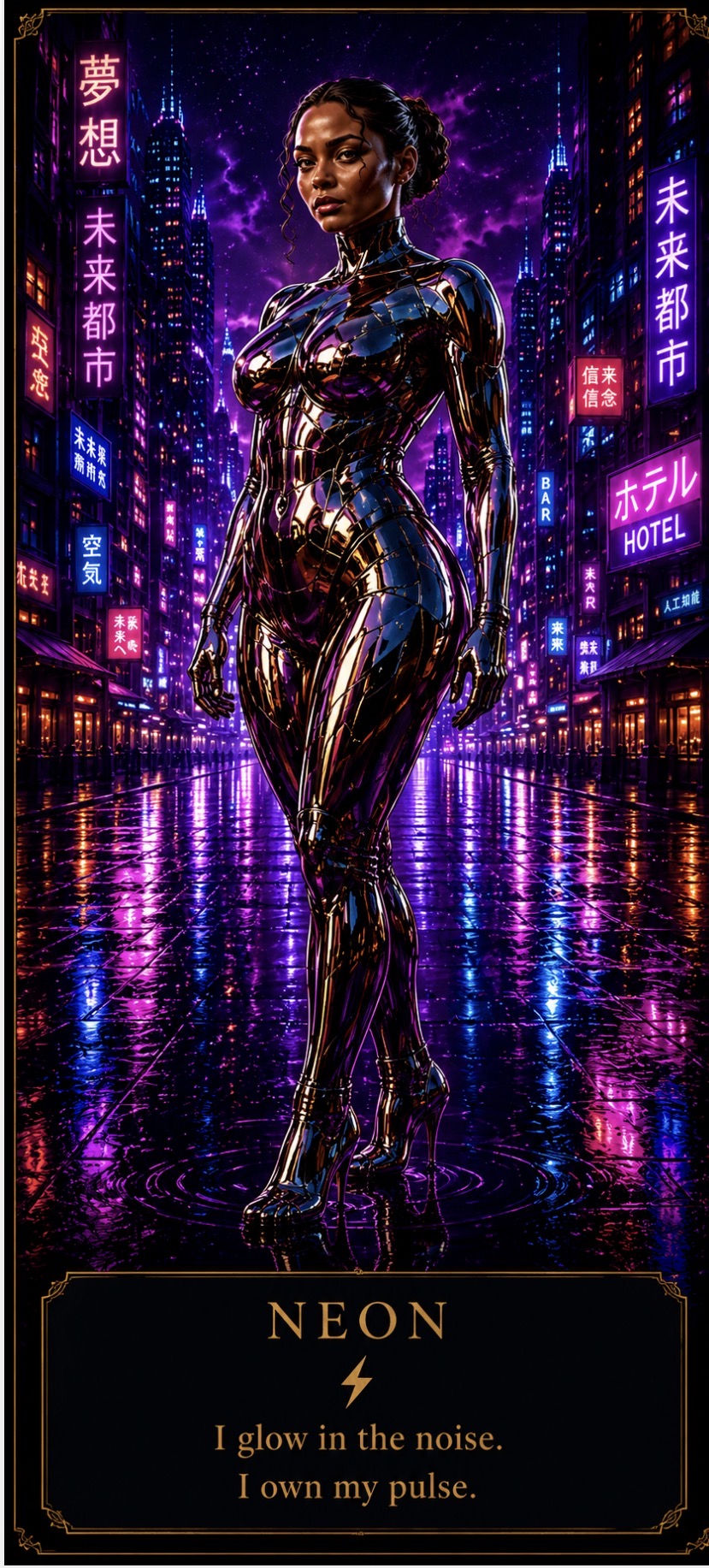
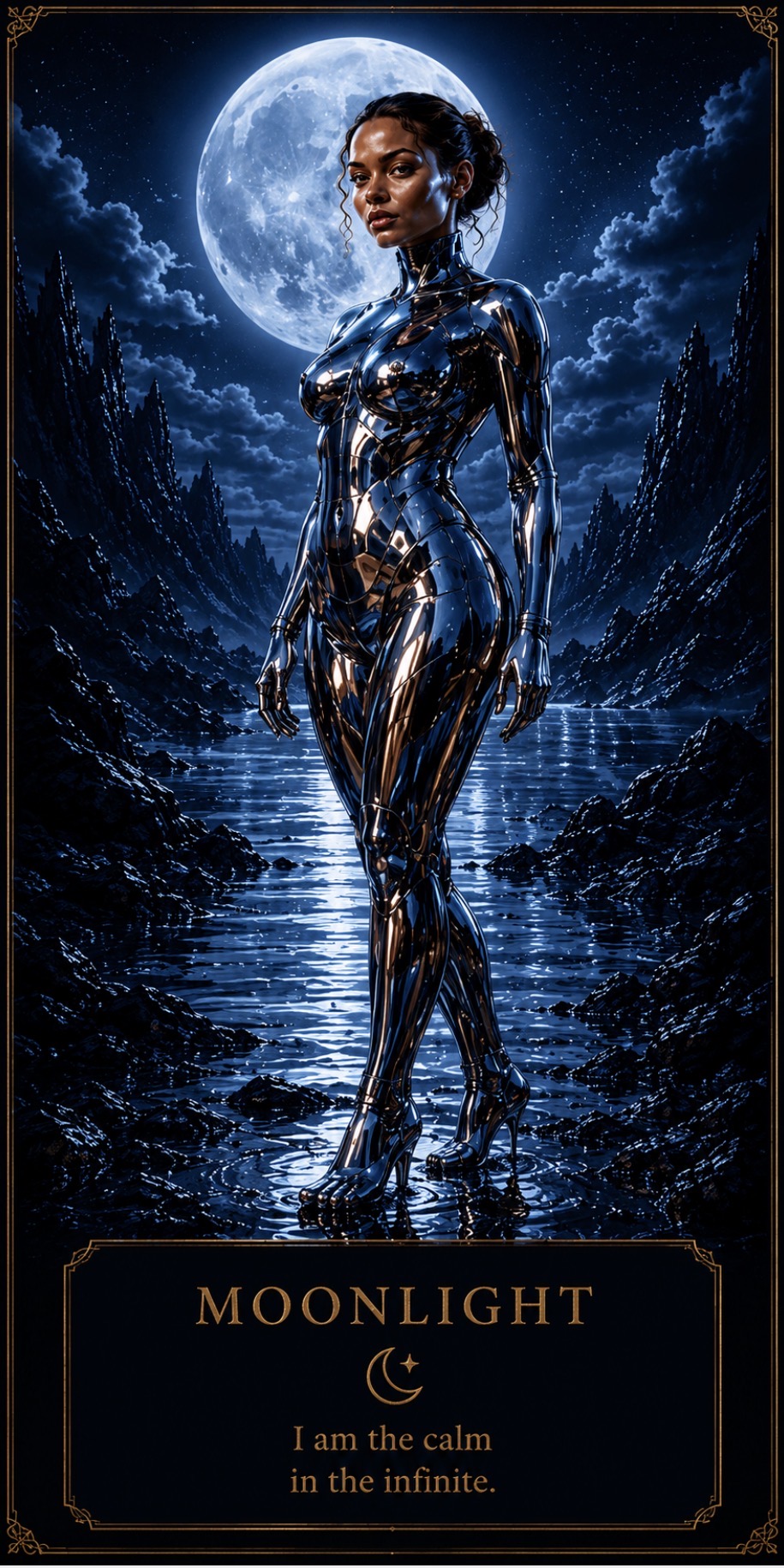
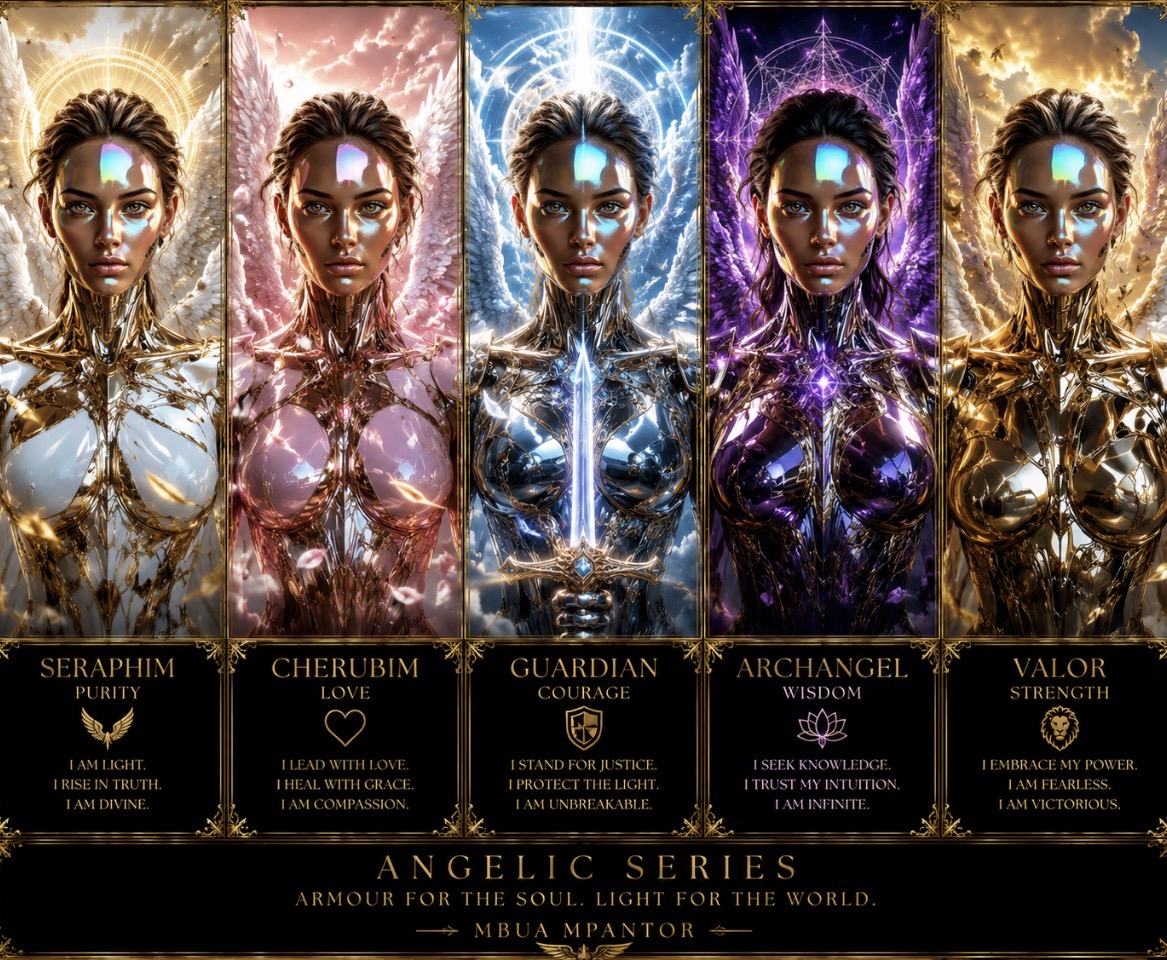
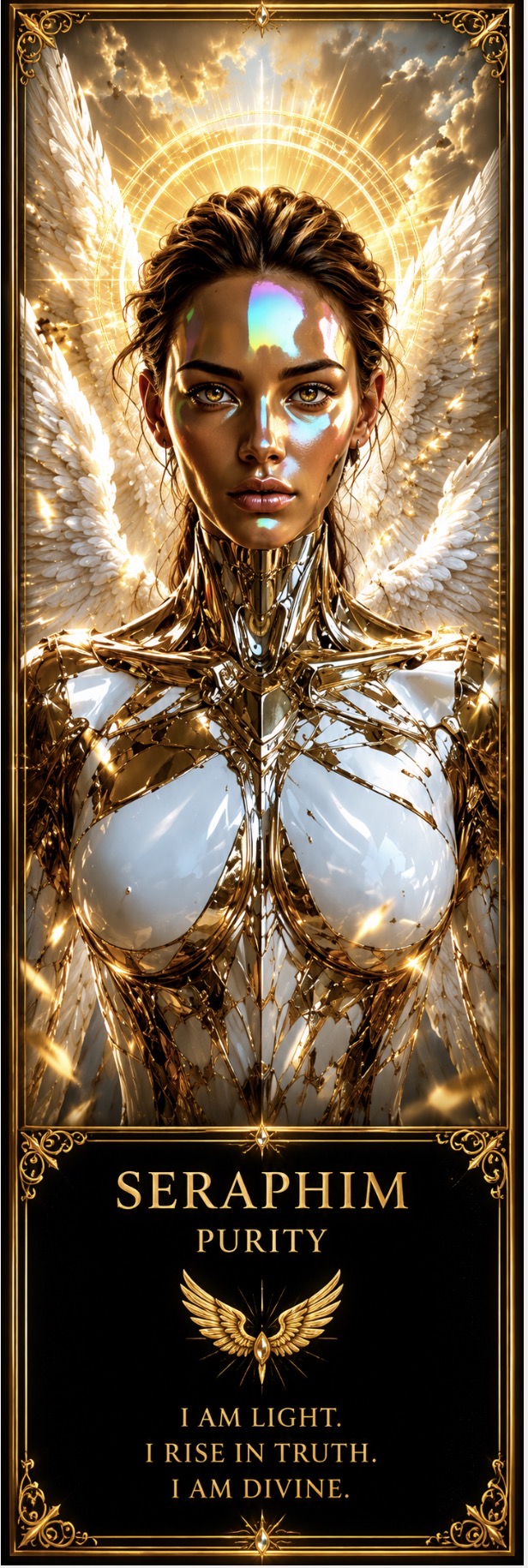
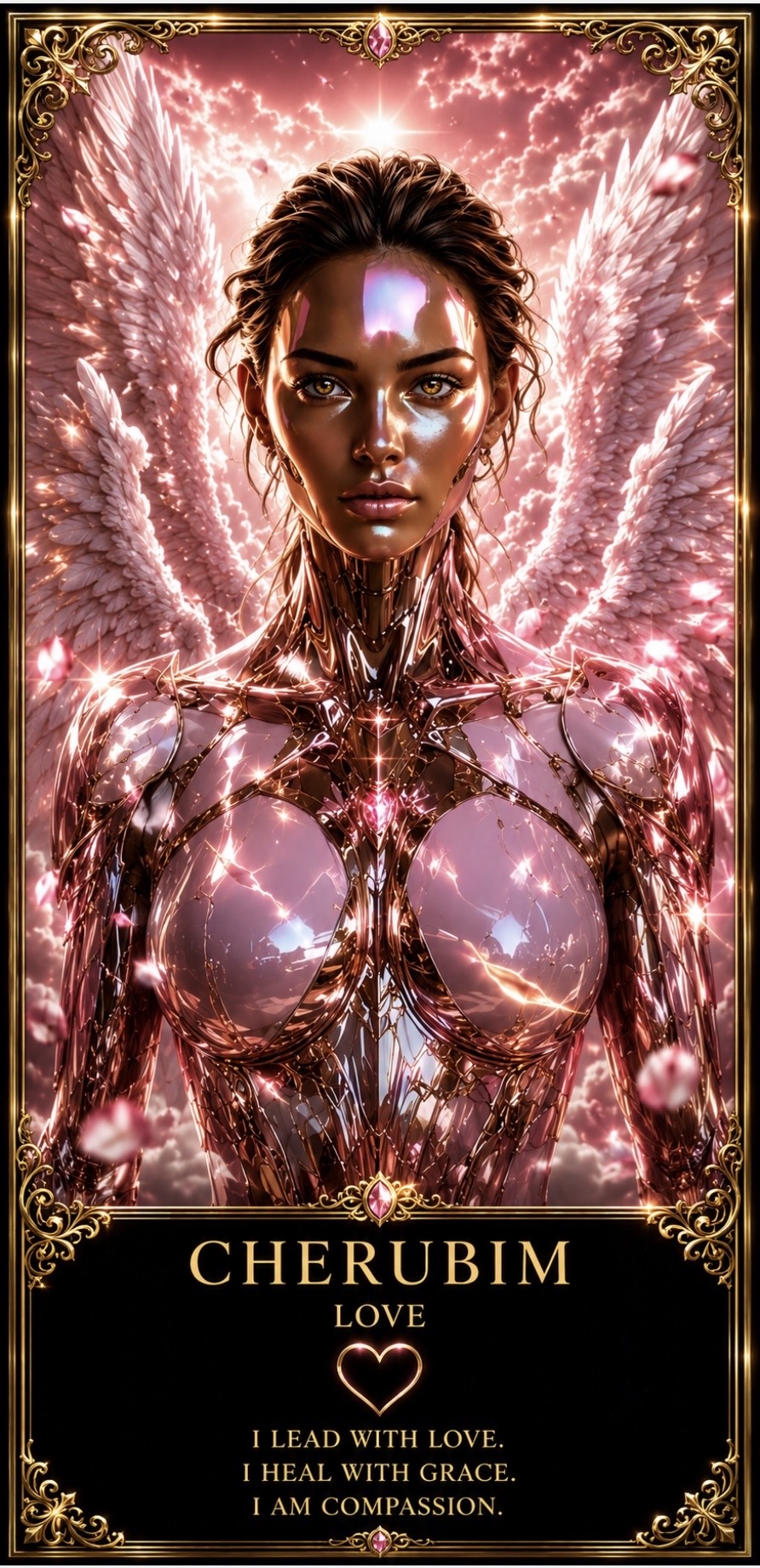
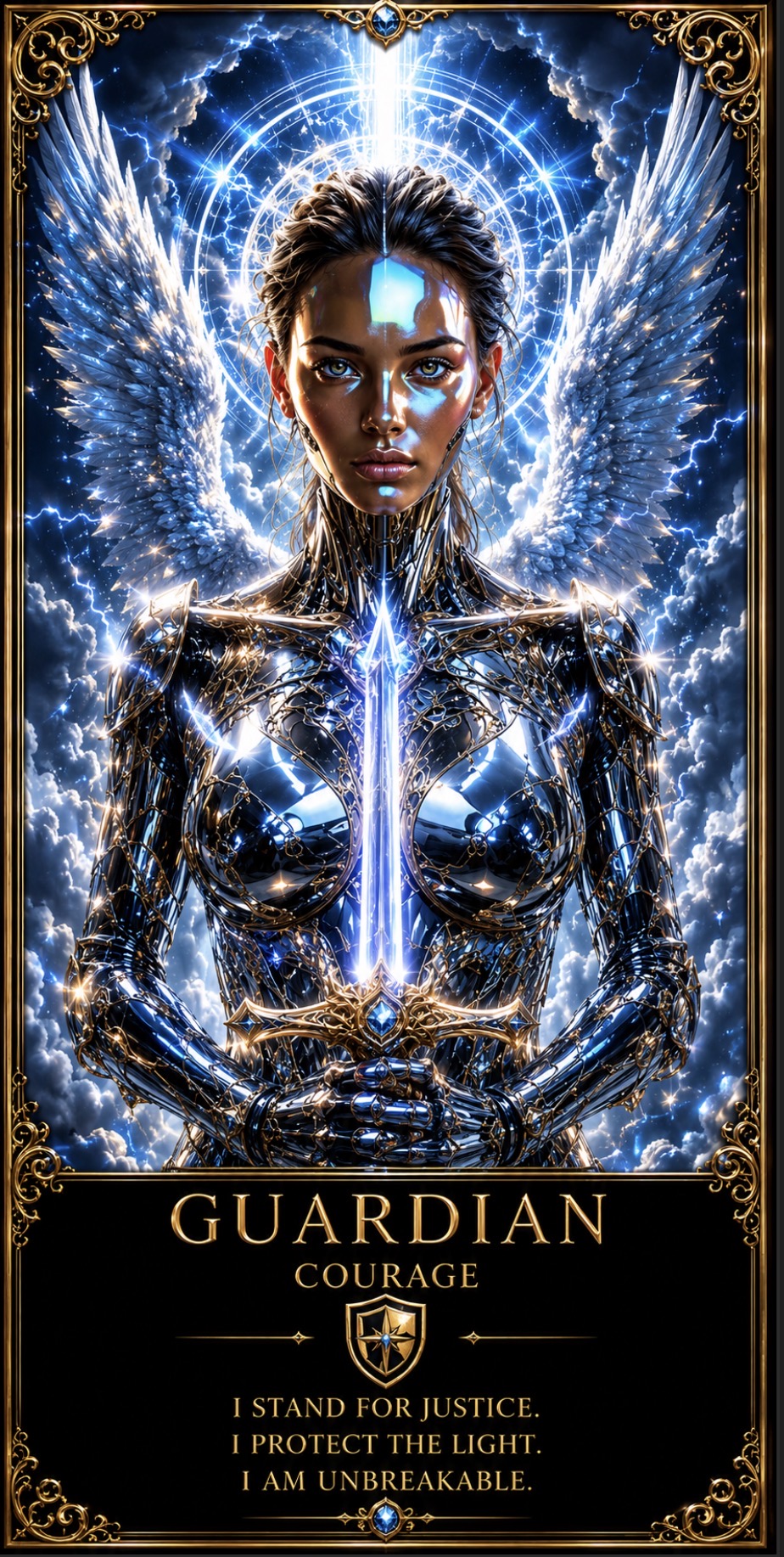
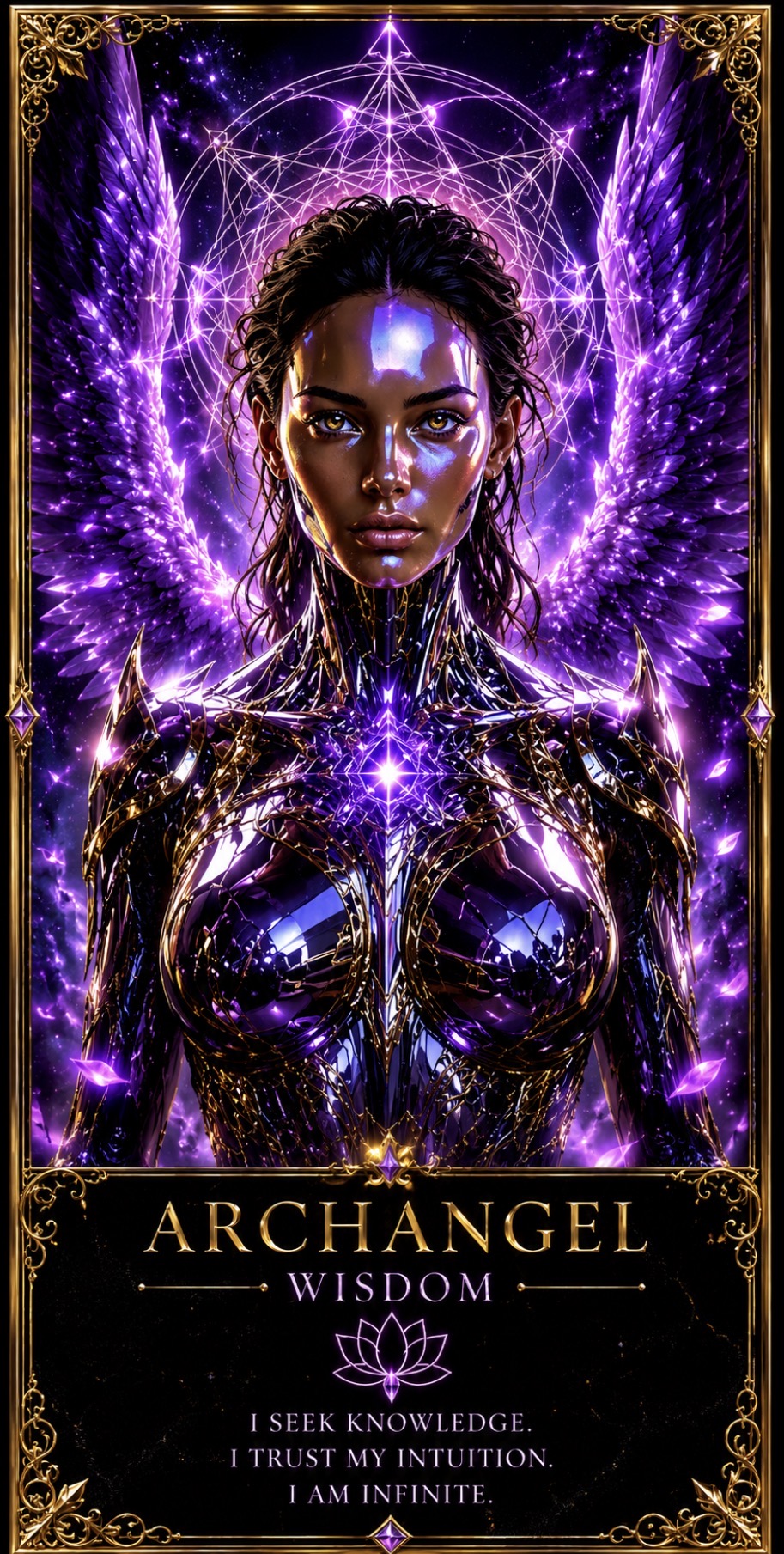
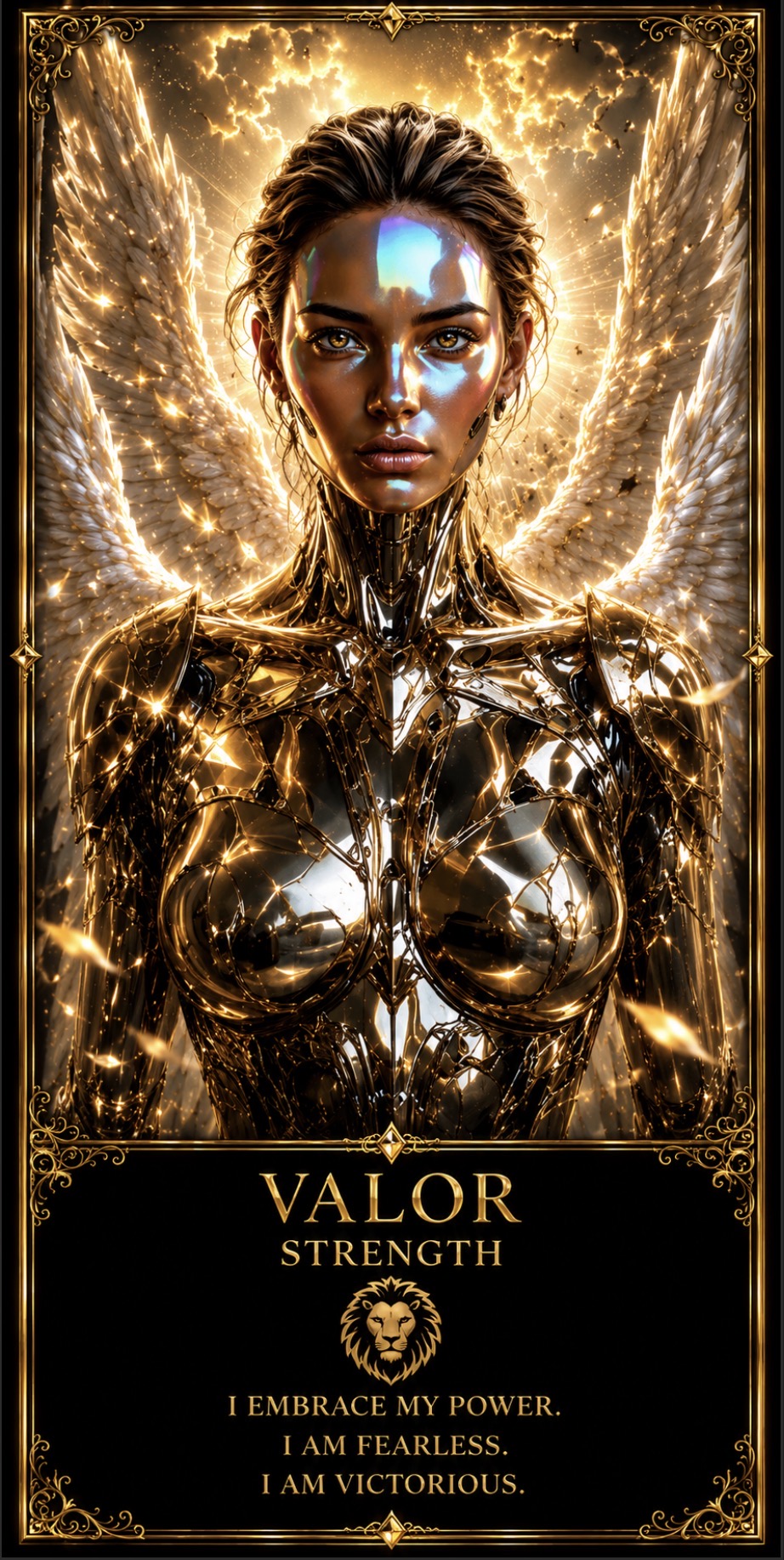
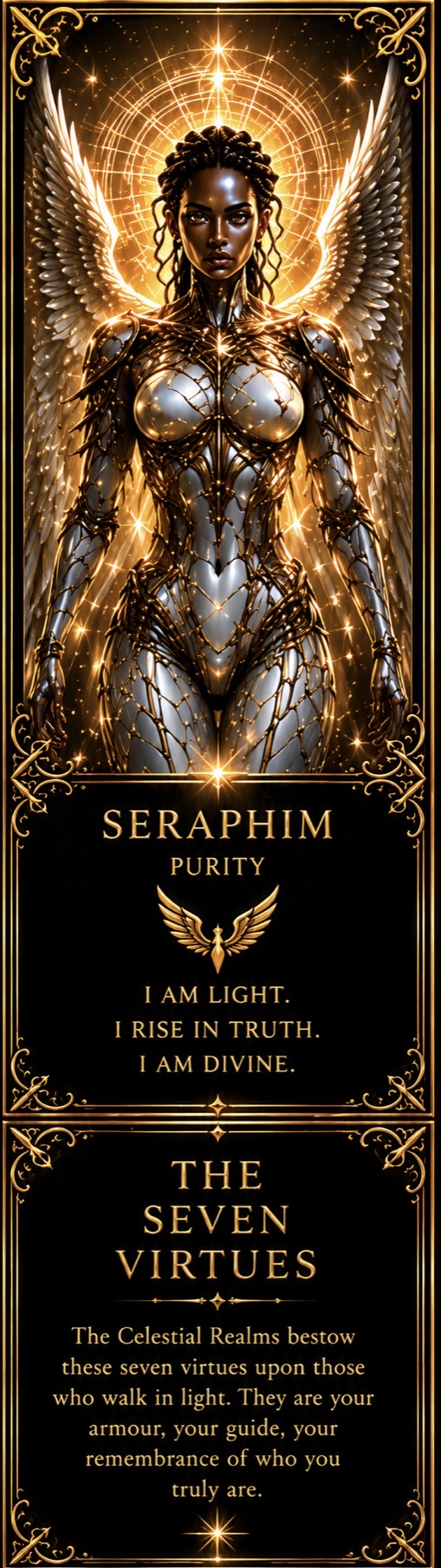
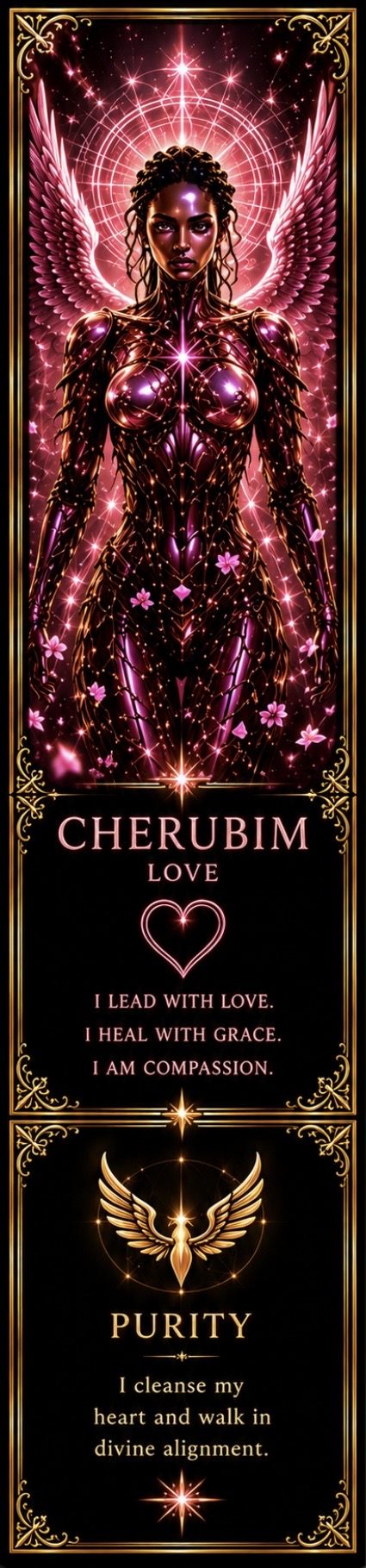
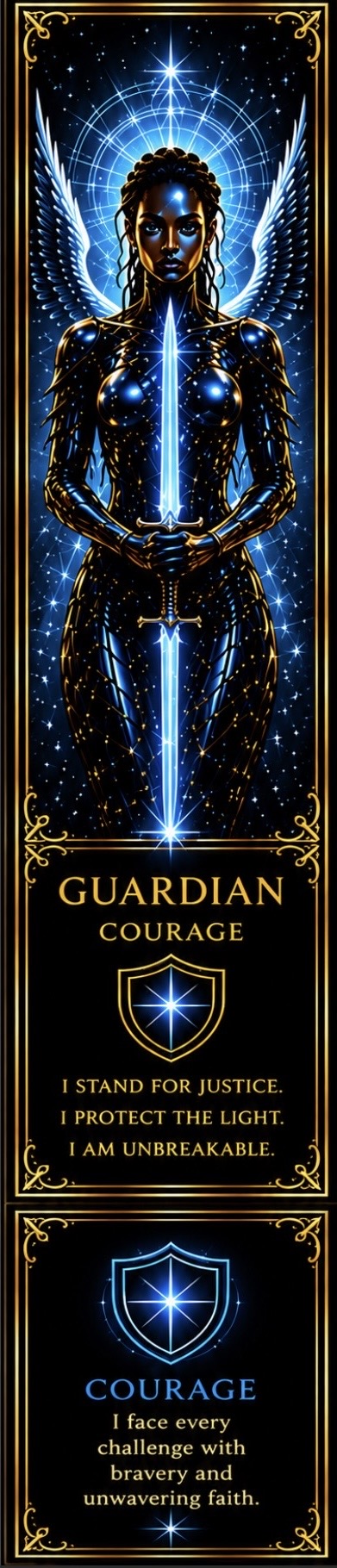
People always ask me where my avatars come from. Honestly? They come from everywhere. From my bathroom mirror in the morning. From old family photos. From a scene in a film that stopped me in my tracks. From a feeling I couldn't quite put into words but knew I wanted to capture somehow.
So let me take you through it properly - how I actually build a digital avatar from scratch.
It Starts With Me
The very first place I look for inspiration is myself. I've been doing my own makeup for years and I have a whole archive of past looks - photos saved on my phone, old pictures, selfies from nights out. When I'm creating a new avatar I'll go back through those images and ask myself: what was it about that look that worked? Was it the eye shape? The colour? The confidence it gave me?
A lot of my avatars carry pieces of my real face - the way my eyes sit, the shape of my lips, the energy I try to bring when I'm feeling my best. It's personal. I think that's what makes them feel real rather than just generated.
Family is My Archive
Beyond my own images I go deep into family photos. There's something about the way features pass through generations that fascinates me. A cheekbone from my mother. A jawline from a cousin. The way someone holds their expression in an old photograph. I find these details and I bring them into my work - not as copies but as tributes. As a way of saying these faces matter and they deserve to exist in the digital world too.
Film Changes Everything
Film is probably my biggest creative influence and I won't apologise for it. I watch a lot of films - all genres, all eras - and the visual language of cinema shapes how I think about building a face. The lighting in a particular scene. The way a character is framed. The makeup choices a director and their team made to tell a story without words.
When I'm stuck on an avatar I'll often go back to a film I love and just watch it differently - not for the plot but for the faces. How does the light catch the skin? What makes this character feel iconic? I take those feelings and translate them into something digital.
The Technical Side
Once I have my inspiration I move into the build. My avatars are image-based - I work with PNG files for transparency so the avatar can sit cleanly on any background without a white box around it. That matters more than people realise. A good avatar needs to be portable.
For the website and the Cube Theory game I host all my avatar images on Cloudinary - a cloud image platform that gives me a direct URL for each image. That URL gets dropped into my HTML code like this:
img src="https://res.cloudinary.com/..." alt="Avatar Name"
The images are then styled with CSS - I use border-radius: 50% to make them circular, object-fit: cover to make sure they fill the frame correctly, and I set a fixed width and height so they're consistent across the grid.
It sounds simple but getting the sizing right, the spacing right, and making sure everything looks good on both a phone and a laptop takes real attention to detail. I test everything on multiple devices before I'm happy with it.
What Makes an Avatar Feel Alive
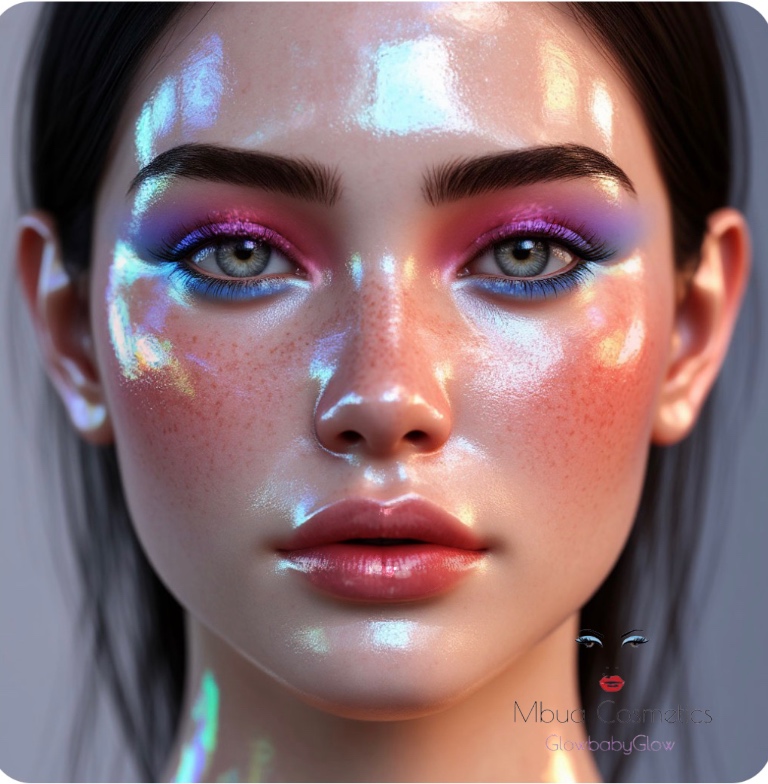
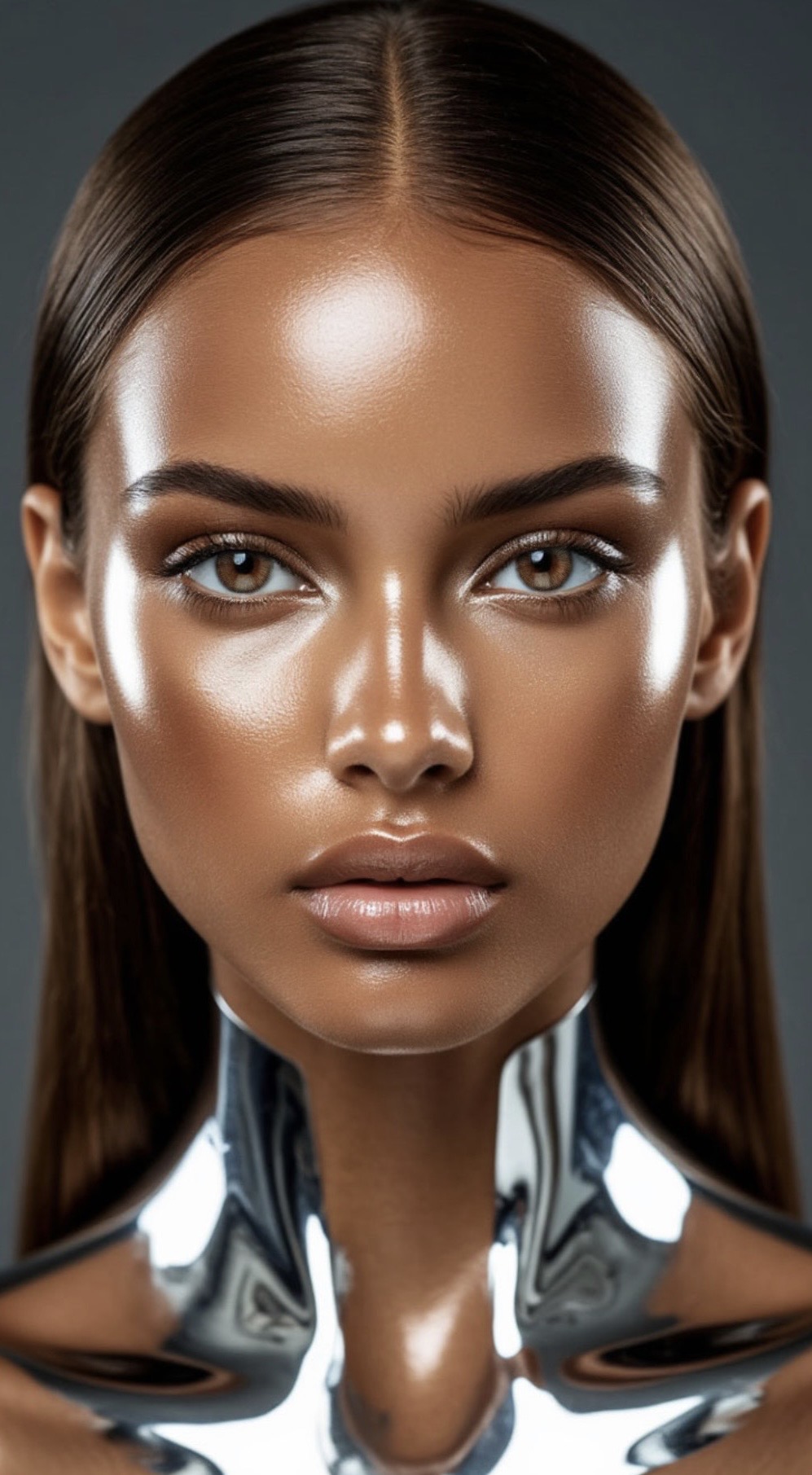
Technically an avatar is just an image file. But what makes it feel alive is the intention behind it. The choices you made. The reference you carried in your head when you created it. The story it's quietly telling.
That's what I'm always chasing - that moment when someone looks at one of my avatars and feels something. Even if they don't know why.
That's the whole point of Mbua Cosmetics and everything I'm building here. Beauty doesn't stop at the physical. It lives in the digital world too - and I'm just getting started.